

84
M. Rz˛ etała
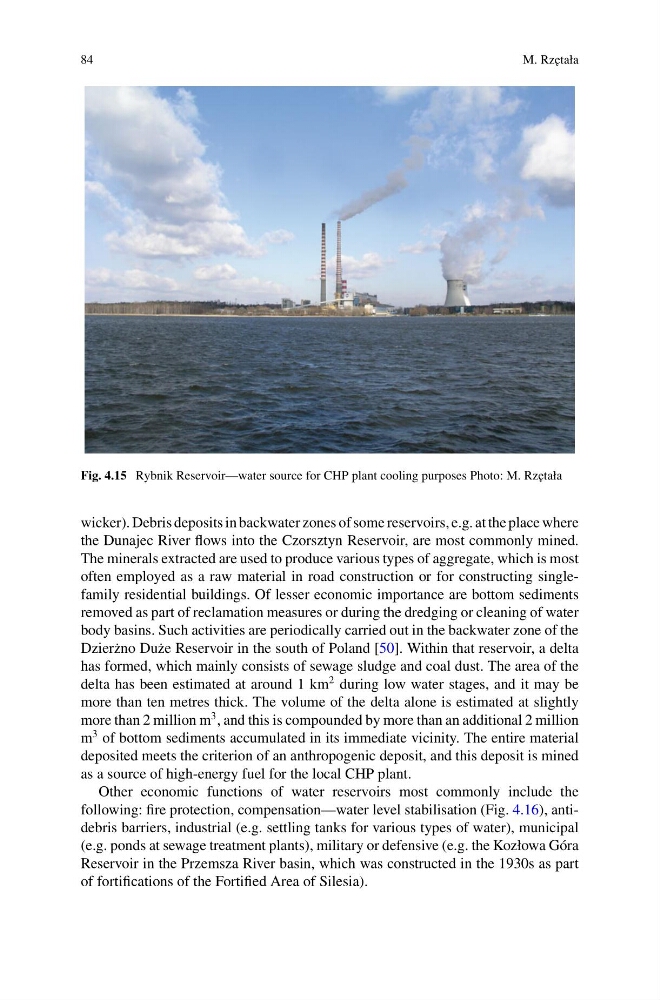
Fig. 4.15 Rybnik Reservoir—water source for CHP plant cooling purposes Photo: M. Rz˛ etała
wicker). Debris deposits in backwater zones of some reservoirs, e.g. at the place where
the Dunajec River flows into the Czorsztyn Reservoir, are most commonly mined.
The minerals extracted are used to produce various types of aggregate, which is most
often employed as a raw material in road construction or for constructing singlefamily residential buildings. Of lesser economic importance are bottom sediments
removed as part of reclamation measures or during the dredging or cleaning of water
body basins. Such activities are periodically carried out in the backwater zone of the
Dzier˙ zno Du˙ ze Reservoir in the south of Poland [50]. Within that reservoir, a delta
has formed, which mainly consists of sewage sludge and coal dust. The area of the
delta has been estimated at around 1 km
2 during low water stages, and it may be
more than ten metres thick. The volume of the delta alone is estimated at slightly
more than 2 million m
3 , and this is compounded by more than an additional 2 million
m
3 of bottom sediments accumulated in its immediate vicinity. The entire material
deposited meets the criterion of an anthropogenic deposit, and this deposit is mined
as a source of high-energy fuel for the local CHP plant.
Other economic functions of water reservoirs most commonly include the
following: fire protection, compensation—water level stabilisation (Fig. 4.16), antidebris barriers, industrial (e.g. settling tanks for various types of water), municipal
(e.g. ponds at sewage treatment plants), military or defensive (e.g. the Kozłowa Góra
Reservoir in the Przemsza River basin, which was constructed in the 1930s as part
of fortifications of the Fortified Area of Silesia).
M. Rz˛ etała
Fig. 4.15 Rybnik Reservoir—water source for CHP plant cooling purposes Photo: M. Rz˛ etała
wicker). Debris deposits in backwater zones of some reservoirs, e.g. at the place where
the Dunajec River flows into the Czorsztyn Reservoir, are most commonly mined.
The minerals extracted are used to produce various types of aggregate, which is most
often employed as a raw material in road construction or for constructing singlefamily residential buildings. Of lesser economic importance are bottom sediments
removed as part of reclamation measures or during the dredging or cleaning of water
body basins. Such activities are periodically carried out in the backwater zone of the
Dzier˙ zno Du˙ ze Reservoir in the south of Poland [50]. Within that reservoir, a delta
has formed, which mainly consists of sewage sludge and coal dust. The area of the
delta has been estimated at around 1 km
2 during low water stages, and it may be
more than ten metres thick. The volume of the delta alone is estimated at slightly
more than 2 million m
3 , and this is compounded by more than an additional 2 million
m
3 of bottom sediments accumulated in its immediate vicinity. The entire material
deposited meets the criterion of an anthropogenic deposit, and this deposit is mined
as a source of high-energy fuel for the local CHP plant.
Other economic functions of water reservoirs most commonly include the
following: fire protection, compensation—water level stabilisation (Fig. 4.16), antidebris barriers, industrial (e.g. settling tanks for various types of water), municipal
(e.g. ponds at sewage treatment plants), military or defensive (e.g. the Kozłowa Góra
Reservoir in the Przemsza River basin, which was constructed in the 1930s as part
of fortifications of the Fortified Area of Silesia).