

416
The durable color and toxic, nonbiodegradable, and inhibitory nature of the used
dye baths have significant harmful effects on soil and water. Moreover, some of the
dyes or their metabolites are toxic or carcinogenic and mutagenic (Errais et al.
2011). The release of these dyes in contaminated wastewater not only affects aesthetics but also reduces the transmission of light in water and also decreases photosynthesis, which results in the ruin of the water ecosystem. Significant amounts of
dyes can damage the human body (e.g., reproductive system, central nervous system, brain, kidney, and liver) as well as horrific consequences such as mutagenic,
teratogenic, carcinogenic, etc. (Kösters et al. 2018; Salleh et al. 2011; Jiang et al.
2017). Therefore, one of the most critical environmental concerns today is the
removing of dyes from wastewater due to their specific toxicity even at low concentrations (Jiang et al. 2017). The presence of dyes in water streams and bodies can
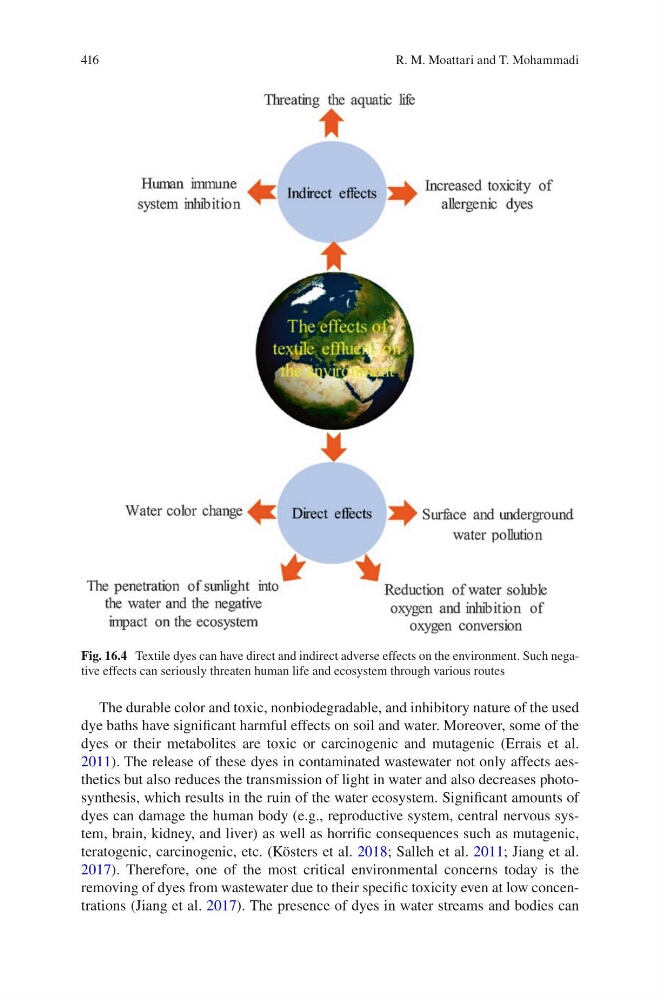
Fig. 16.4 Textile dyes can have direct and indirect adverse effects on the environment. Such negative effects can seriously threaten human life and ecosystem through various routes
R. M. Moattari and T. Mohammadi
The durable color and toxic, nonbiodegradable, and inhibitory nature of the used
dye baths have significant harmful effects on soil and water. Moreover, some of the
dyes or their metabolites are toxic or carcinogenic and mutagenic (Errais et al.
2011). The release of these dyes in contaminated wastewater not only affects aesthetics but also reduces the transmission of light in water and also decreases photosynthesis, which results in the ruin of the water ecosystem. Significant amounts of
dyes can damage the human body (e.g., reproductive system, central nervous system, brain, kidney, and liver) as well as horrific consequences such as mutagenic,
teratogenic, carcinogenic, etc. (Kösters et al. 2018; Salleh et al. 2011; Jiang et al.
2017). Therefore, one of the most critical environmental concerns today is the
removing of dyes from wastewater due to their specific toxicity even at low concentrations (Jiang et al. 2017). The presence of dyes in water streams and bodies can
Fig. 16.4 Textile dyes can have direct and indirect adverse effects on the environment. Such negative effects can seriously threaten human life and ecosystem through various routes
R. M. Moattari and T. Mohammadi