

415
16.4 Environmental and Health Effect
The rapid growth of dye production and dye-consuming industries has contaminated water streams (Chiou et al. 2013). Without appropriate treatment, the discharge of wastewater containing dyes can cause many environmental problems
(Khatri et al. 2015; Ngulube et al. 2017; Umpierres et al. 2017). As presented in
Fig. 16.4, the textile effluent may have direct and/or indirect adverse effects on the
environment. Due to the environmental and ecological impacts, dye-contaminated
wastewater must be treated appropriately before discharge (Hassan et al. 2019).
Unfortunately, many dyes are stable in the environment due to high resistance
against water, temperature, light, chemicals, and some other environmental factors,
which make them highly toxic and carcinogenic and therefore very deleterious to
ecosystem (Couto 2009). This is particularly crucial because many chemicals can
be harmful to genetic material without being immediately expressed. It has been
reported that nitro and azo compounds in aquatic sediments should be reduced or
else they may cause potentially carcinogenic amines. Many dyes are composed of
known carcinogens such as benzidine, so they pose a serious menace. Also, many
dyes may convert into toxic compounds inside the bodies of living things. The carcinogenicity of azo dyes, as an important part of textile dyes, is well-known. Some
azo dyes are found to be associated with bladder cancer in humans, hepatocarcinoma, splenic sarcomas, and nuclear abnormalities in laboratory animals (Percy
et al. 1989). From a health and environmental point of view, removing these synthetic dyes is of serious concern. Due to their commercial significance, the influence
and toxicity of dyes (Tsuda et al. 2001) which are released into the environment
have been widely investigated. Many dyes are difficult to remove because of their
stable molecular structure.
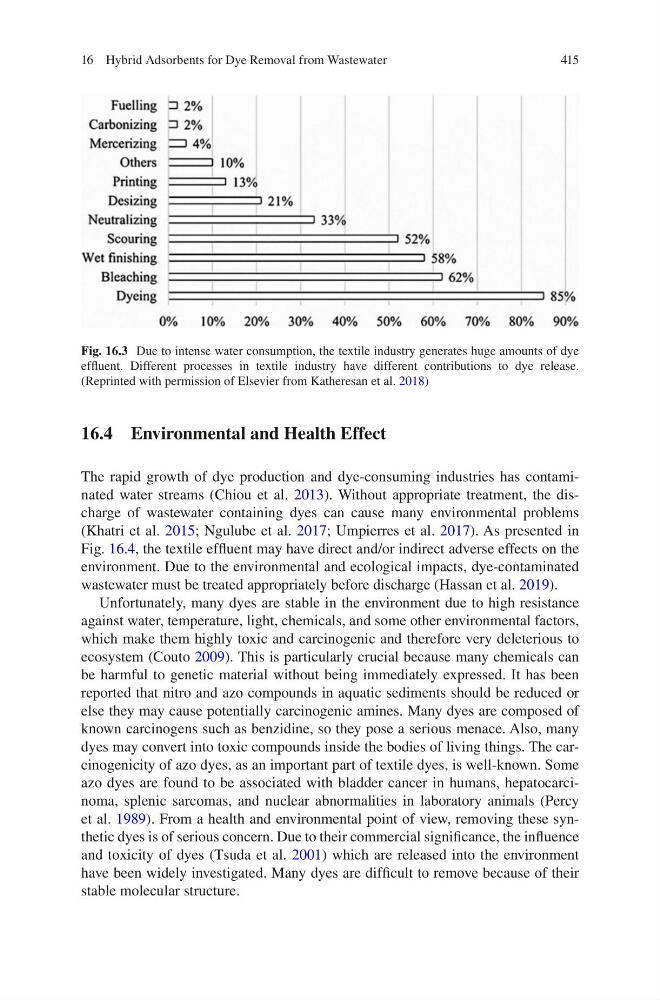
Fig. 16.3 Due to intense water consumption, the textile industry generates huge amounts of dye
effluent. Different processes in textile industry have different contributions to dye release.
(Reprinted with permission of Elsevier from Katheresan et al. 2018)
16 Hybrid Adsorbents for Dye Removal from Wastewater
16.4 Environmental and Health Effect
The rapid growth of dye production and dye-consuming industries has contaminated water streams (Chiou et al. 2013). Without appropriate treatment, the discharge of wastewater containing dyes can cause many environmental problems
(Khatri et al. 2015; Ngulube et al. 2017; Umpierres et al. 2017). As presented in
Fig. 16.4, the textile effluent may have direct and/or indirect adverse effects on the
environment. Due to the environmental and ecological impacts, dye-contaminated
wastewater must be treated appropriately before discharge (Hassan et al. 2019).
Unfortunately, many dyes are stable in the environment due to high resistance
against water, temperature, light, chemicals, and some other environmental factors,
which make them highly toxic and carcinogenic and therefore very deleterious to
ecosystem (Couto 2009). This is particularly crucial because many chemicals can
be harmful to genetic material without being immediately expressed. It has been
reported that nitro and azo compounds in aquatic sediments should be reduced or
else they may cause potentially carcinogenic amines. Many dyes are composed of
known carcinogens such as benzidine, so they pose a serious menace. Also, many
dyes may convert into toxic compounds inside the bodies of living things. The carcinogenicity of azo dyes, as an important part of textile dyes, is well-known. Some
azo dyes are found to be associated with bladder cancer in humans, hepatocarcinoma, splenic sarcomas, and nuclear abnormalities in laboratory animals (Percy
et al. 1989). From a health and environmental point of view, removing these synthetic dyes is of serious concern. Due to their commercial significance, the influence
and toxicity of dyes (Tsuda et al. 2001) which are released into the environment
have been widely investigated. Many dyes are difficult to remove because of their
stable molecular structure.
Fig. 16.3 Due to intense water consumption, the textile industry generates huge amounts of dye
effluent. Different processes in textile industry have different contributions to dye release.
(Reprinted with permission of Elsevier from Katheresan et al. 2018)
16 Hybrid Adsorbents for Dye Removal from Wastewater