

393
during caustic digestion of bauxite. Gupta et al. (2007a, b) successfully remove rhodamine B, methylene blue, and fast green with the percentage removal of 92.5, 75.0,
and 94.0 from industrial effluent by using red mud at varying pH, initial adsorbate
concentration, time, adsorbent dose, temperature, and adsorbent particle size (Gupta
et al. 2007b). Bhatnagar et al. (2011) also found red mud as an effective adsorbent
with significant potential of adsorption for dye removal (Bhatnagar et al. 2011).
Fly ash, the other industrial by-product, is very popular and effective technique
used as adsorbent for dye removal. Bagasse fly ash from sugar industry is very
cheap without containing any toxic metal (Sharma and Kaur 2018). Gupta et al.
(2000) used adsorbent using bagasse fly ash for removing basic dyes such as methylene blue and rhodamine B. The adsorption capacity was very high and correlated
with both Freundlich and Langmuir models (Gupta et al. 2000). Mohan et al. (2002)
derived activated carbon by using fly ash from thermal power plant and used for dye
removal from synthetic wastewater. The product successfully removed the crystal
violet and rosaniline hydrochloride from the wastewater. The adsorption capacities
was very good for both the dyes (Mohan et al. 2002).
Metal hydroxide sludge from different industries is used as cheap adsorbent for
dye removal from industrial wastewater. Metal hydroxide sludge mainly contains
the hydroxide ions of metals and its salts (Sharma and Kaur 2018). Netpradit et al.
(2003) experimented on the capacity of adsorption for the removal of azo dyes from
industrial wastewater. They experimented on anionic dyes and found the adsorption
is more than 90% for greater charge value of dyes. Large amount and smaller size
of particles results in faster the treatment process (Netpradit et al. 2003).
Saw dust is another by-product waste from timber industry which can be used for
the dye removal as low-cost adsorbent. Garg et al. (2003) experimented on malachite green removal by using sawdust treated with formaldehyde and sulfuric acid.
The product is very effective, and they also found that the adsorption efficiency is
much higher in sulfuric acid-treated sawdust than formaldehyde-treated sawdust
(Garg et al. 2003).
Sugarcane crop
Bagasse fly ash
Removal of
water pollutants
Metals
Dyes
COD
Phosphate
Phenols
Fluoride
Contaminated water
Adsorbents for water treatment
Treated water
Beet pulp
Beet root
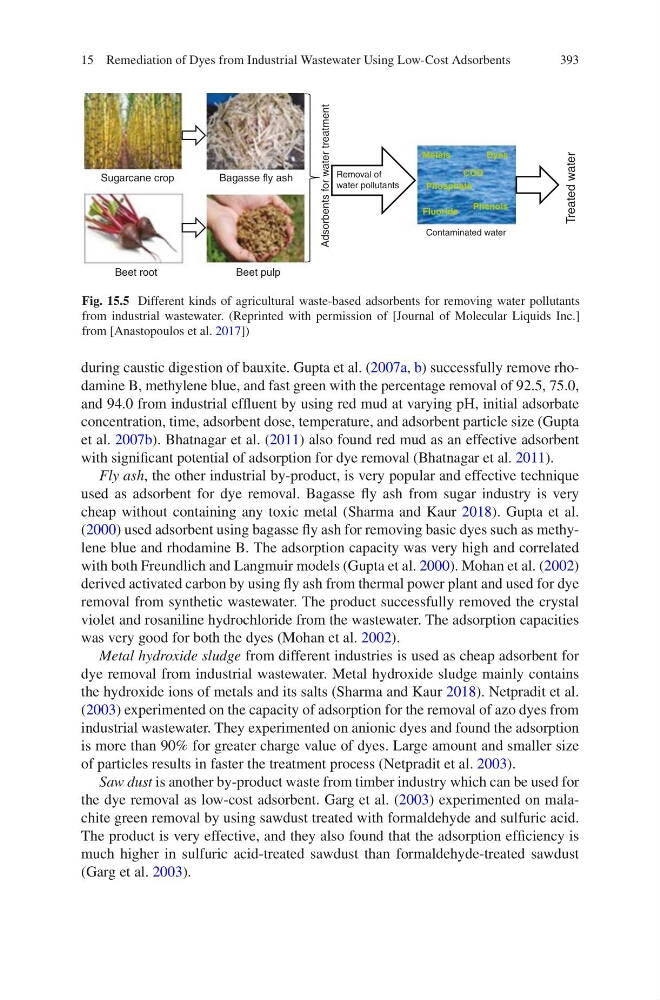
Fig. 15.5 Different kinds of agricultural waste-based adsorbents for removing water pollutants
from industrial wastewater. (Reprinted with permission of [Journal of Molecular Liquids Inc.]
from [Anastopoulos et al. 2017])
15 Remediation of Dyes from Industrial Wastewater Using Low-Cost Adsorbents
during caustic digestion of bauxite. Gupta et al. (2007a, b) successfully remove rhodamine B, methylene blue, and fast green with the percentage removal of 92.5, 75.0,
and 94.0 from industrial effluent by using red mud at varying pH, initial adsorbate
concentration, time, adsorbent dose, temperature, and adsorbent particle size (Gupta
et al. 2007b). Bhatnagar et al. (2011) also found red mud as an effective adsorbent
with significant potential of adsorption for dye removal (Bhatnagar et al. 2011).
Fly ash, the other industrial by-product, is very popular and effective technique
used as adsorbent for dye removal. Bagasse fly ash from sugar industry is very
cheap without containing any toxic metal (Sharma and Kaur 2018). Gupta et al.
(2000) used adsorbent using bagasse fly ash for removing basic dyes such as methylene blue and rhodamine B. The adsorption capacity was very high and correlated
with both Freundlich and Langmuir models (Gupta et al. 2000). Mohan et al. (2002)
derived activated carbon by using fly ash from thermal power plant and used for dye
removal from synthetic wastewater. The product successfully removed the crystal
violet and rosaniline hydrochloride from the wastewater. The adsorption capacities
was very good for both the dyes (Mohan et al. 2002).
Metal hydroxide sludge from different industries is used as cheap adsorbent for
dye removal from industrial wastewater. Metal hydroxide sludge mainly contains
the hydroxide ions of metals and its salts (Sharma and Kaur 2018). Netpradit et al.
(2003) experimented on the capacity of adsorption for the removal of azo dyes from
industrial wastewater. They experimented on anionic dyes and found the adsorption
is more than 90% for greater charge value of dyes. Large amount and smaller size
of particles results in faster the treatment process (Netpradit et al. 2003).
Saw dust is another by-product waste from timber industry which can be used for
the dye removal as low-cost adsorbent. Garg et al. (2003) experimented on malachite green removal by using sawdust treated with formaldehyde and sulfuric acid.
The product is very effective, and they also found that the adsorption efficiency is
much higher in sulfuric acid-treated sawdust than formaldehyde-treated sawdust
(Garg et al. 2003).
Sugarcane crop
Bagasse fly ash
Removal of
water pollutants
Metals
Dyes
COD
Phosphate
Phenols
Fluoride
Contaminated water
Adsorbents for water treatment
Treated water
Beet pulp
Beet root
Fig. 15.5 Different kinds of agricultural waste-based adsorbents for removing water pollutants
from industrial wastewater. (Reprinted with permission of [Journal of Molecular Liquids Inc.]
from [Anastopoulos et al. 2017])
15 Remediation of Dyes from Industrial Wastewater Using Low-Cost Adsorbents