

health care centers, using a considerable section of
the wastewater-irrigated area for growing food
crops, and consuming part of the produce (i.e.,
what remains after sending to market) locally
within the village.
Event site: Govankoppa, Dharwad district,
Karnataka
In the wastewater-irrigated village of Govankoppa, wastewater irrigation has been practiced
for more than three decades. The cropping pattern followed is vegetable production, field
crops, and agroforestry. Vegetables, especially
green leafy vegetables, are grown in almost all
places where wastewater is used for agriculture.
Wastewater is especially used for growing chili,
brinjal, ridge gourd, cucumber, spinach, and
tomato. Along with vegetables, field crops such
as rice, ragi, jowar, maize, pulses, oilseeds, cotton, groundnut, green gram, pea, wheat, and
Bengal gram are also grown. Cultivation of fruit
crops such as banana, guava, and sapota are also
occasionally grown. The cropping calendar of
Govankoppa has revealed that crops are grown
intensively throughout the year. The land is left
fallow for one or two months a year. Generally,
three crops are grown because of the free available wastewater in all seasons. Vegetable farming is preferred, especially in the dry season.
According to respondents, the installed
sprinkler system is effective and its yield is high
as it uses an optimum quantity of wastewater and
distributes it uniformly throughout the farm,
especially during the dry season. Using
wastewater directly from the pump without filtering or screening was the most commonly
observed method of irrigation in Govankoppa
during field visits. In many cases, it was observed
that pipes were directly put into the channel, and
then water was pumped out. This pumped water
was directly poured onto fields without passing
through any kind of filter, which is particularly
damaging because all kinds of solid waste such
as plastic bottles, polythene bags, used syringes,
droppers, and napkins also end up on the fields.
No settling tank or filtering or screening
arrangements were observed on this site. The key
advantage of wastewater irrigation for farmers
was that they could grow vegetables in summer
when there is a great demand in the market and
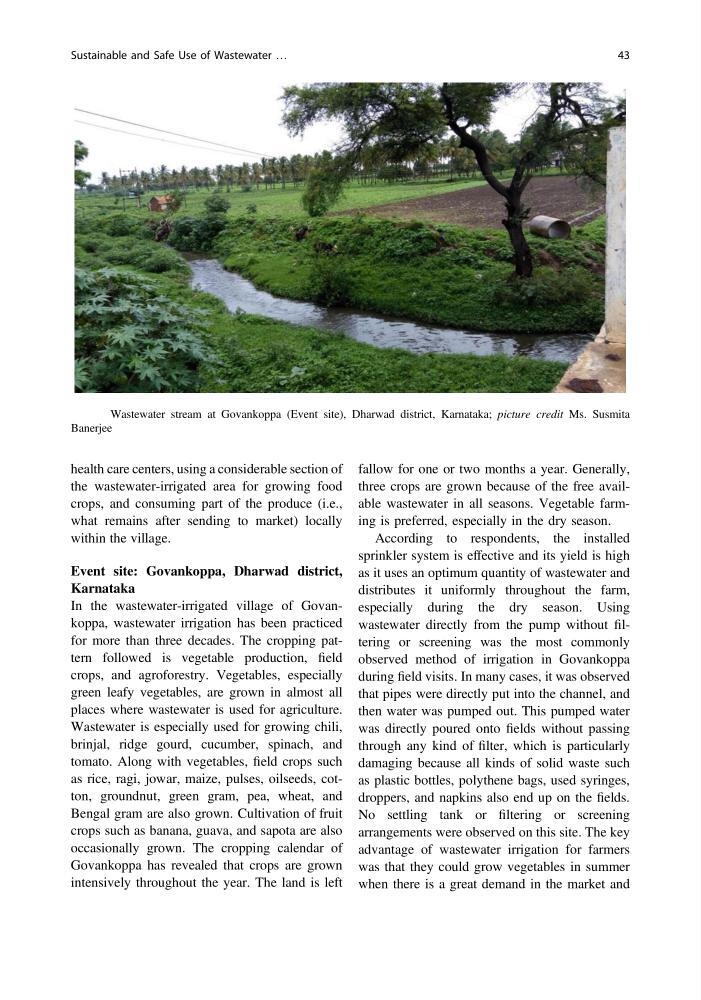
Fig. 2 Wastewater stream at Govankoppa (Event site), Dharwad district, Karnataka; picture credit Ms. Susmita
Banerjee
Sustainable and Safe Use of Wastewater …
43
the wastewater-irrigated area for growing food
crops, and consuming part of the produce (i.e.,
what remains after sending to market) locally
within the village.
Event site: Govankoppa, Dharwad district,
Karnataka
In the wastewater-irrigated village of Govankoppa, wastewater irrigation has been practiced
for more than three decades. The cropping pattern followed is vegetable production, field
crops, and agroforestry. Vegetables, especially
green leafy vegetables, are grown in almost all
places where wastewater is used for agriculture.
Wastewater is especially used for growing chili,
brinjal, ridge gourd, cucumber, spinach, and
tomato. Along with vegetables, field crops such
as rice, ragi, jowar, maize, pulses, oilseeds, cotton, groundnut, green gram, pea, wheat, and
Bengal gram are also grown. Cultivation of fruit
crops such as banana, guava, and sapota are also
occasionally grown. The cropping calendar of
Govankoppa has revealed that crops are grown
intensively throughout the year. The land is left
fallow for one or two months a year. Generally,
three crops are grown because of the free available wastewater in all seasons. Vegetable farming is preferred, especially in the dry season.
According to respondents, the installed
sprinkler system is effective and its yield is high
as it uses an optimum quantity of wastewater and
distributes it uniformly throughout the farm,
especially during the dry season. Using
wastewater directly from the pump without filtering or screening was the most commonly
observed method of irrigation in Govankoppa
during field visits. In many cases, it was observed
that pipes were directly put into the channel, and
then water was pumped out. This pumped water
was directly poured onto fields without passing
through any kind of filter, which is particularly
damaging because all kinds of solid waste such
as plastic bottles, polythene bags, used syringes,
droppers, and napkins also end up on the fields.
No settling tank or filtering or screening
arrangements were observed on this site. The key
advantage of wastewater irrigation for farmers
was that they could grow vegetables in summer
when there is a great demand in the market and
Fig. 2 Wastewater stream at Govankoppa (Event site), Dharwad district, Karnataka; picture credit Ms. Susmita
Banerjee
Sustainable and Safe Use of Wastewater …
43