

(February–May). These crop production systems
were predominantly found at Madihal in Dharwad
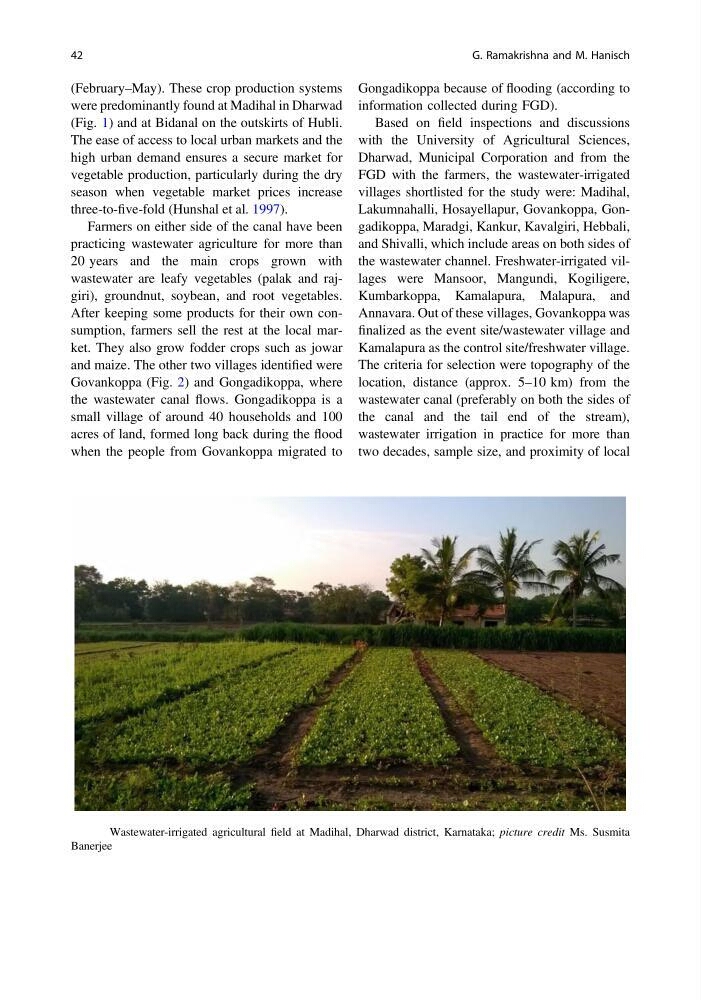
(Fig. 1) and at Bidanal on the outskirts of Hubli.
The ease of access to local urban markets and the
high urban demand ensures a secure market for
vegetable production, particularly during the dry
season when vegetable market prices increase
three-to-five-fold (Hunshal et al. 1997).
Farmers on either side of the canal have been
practicing wastewater agriculture for more than
20 years and the main crops grown with
wastewater are leafy vegetables (palak and rajgiri), groundnut, soybean, and root vegetables.
After keeping some products for their own consumption, farmers sell the rest at the local market. They also grow fodder crops such as jowar
and maize. The other two villages identified were
Govankoppa (Fig. 2) and Gongadikoppa, where
the wastewater canal flows. Gongadikoppa is a
small village of around 40 households and 100
acres of land, formed long back during the flood
when the people from Govankoppa migrated to
Gongadikoppa because of flooding (according to
information collected during FGD).
Based on field inspections and discussions
with the University of Agricultural Sciences,
Dharwad, Municipal Corporation and from the
FGD with the farmers, the wastewater-irrigated
villages shortlisted for the study were: Madihal,
Lakumnahalli, Hosayellapur, Govankoppa, Gongadikoppa, Maradgi, Kankur, Kavalgiri, Hebbali,
and Shivalli, which include areas on both sides of
the wastewater channel. Freshwater-irrigated villages were Mansoor, Mangundi, Kogiligere,
Kumbarkoppa, Kamalapura, Malapura, and
Annavara. Out of these villages, Govankoppa was
finalized as the event site/wastewater village and
Kamalapura as the control site/freshwater village.
The criteria for selection were topography of the
location, distance (approx. 5–10 km) from the
wastewater canal (preferably on both the sides of
the canal and the tail end of the stream),
wastewater irrigation in practice for more than
two decades, sample size, and proximity of local
Fig. 1 Wastewater-irrigated agricultural field at Madihal, Dharwad district, Karnataka; picture credit Ms. Susmita
Banerjee
42
G. Ramakrishna and M. Hanisch
were predominantly found at Madihal in Dharwad
(Fig. 1) and at Bidanal on the outskirts of Hubli.
The ease of access to local urban markets and the
high urban demand ensures a secure market for
vegetable production, particularly during the dry
season when vegetable market prices increase
three-to-five-fold (Hunshal et al. 1997).
Farmers on either side of the canal have been
practicing wastewater agriculture for more than
20 years and the main crops grown with
wastewater are leafy vegetables (palak and rajgiri), groundnut, soybean, and root vegetables.
After keeping some products for their own consumption, farmers sell the rest at the local market. They also grow fodder crops such as jowar
and maize. The other two villages identified were
Govankoppa (Fig. 2) and Gongadikoppa, where
the wastewater canal flows. Gongadikoppa is a
small village of around 40 households and 100
acres of land, formed long back during the flood
when the people from Govankoppa migrated to
Gongadikoppa because of flooding (according to
information collected during FGD).
Based on field inspections and discussions
with the University of Agricultural Sciences,
Dharwad, Municipal Corporation and from the
FGD with the farmers, the wastewater-irrigated
villages shortlisted for the study were: Madihal,
Lakumnahalli, Hosayellapur, Govankoppa, Gongadikoppa, Maradgi, Kankur, Kavalgiri, Hebbali,
and Shivalli, which include areas on both sides of
the wastewater channel. Freshwater-irrigated villages were Mansoor, Mangundi, Kogiligere,
Kumbarkoppa, Kamalapura, Malapura, and
Annavara. Out of these villages, Govankoppa was
finalized as the event site/wastewater village and
Kamalapura as the control site/freshwater village.
The criteria for selection were topography of the
location, distance (approx. 5–10 km) from the
wastewater canal (preferably on both the sides of
the canal and the tail end of the stream),
wastewater irrigation in practice for more than
two decades, sample size, and proximity of local
Fig. 1 Wastewater-irrigated agricultural field at Madihal, Dharwad district, Karnataka; picture credit Ms. Susmita
Banerjee
42
G. Ramakrishna and M. Hanisch