

the water volume beneficially used with respect
to the received volume (Morábito 2005). In
general, a global indicator of irrigation systems
measures the efficiency with a combination of
effectiveness ratios that qualify the water management performance. Every stage of the irrigation system is important in the overall efficiency,
which depends on the coating state of the channels, distribution rules, in farm use, and other
factors. The Carrizal aquifer is located in the
northern basin of Mendoza province, where the
irrigation system efficiency varies from 28 to
40%. In other words, of the 100 L of water
available in the system, the farmer receives
between 28 and 40 L (Bos and Chambouleyron
1999; Jofré and Duek 2012; Morábito et al.
2012). On average, with the methods currently
practiced, irrigation efficiency is low at the parcel
level and the DGI estimation ranges between 30
to 50% (DGI 2016a). At the provincial level,
distribution efficiency is between 70 and 90%,
depending on the condition of the channels
(Morábito et al. 2007; OEI-DGI 2006). The main
causes of the low efficiency of irrigation are as
follows:
i. Reduced percentage of canal lining at the
provincial level;
ii. High infiltration because of the light soils
and the phenomenon of clear waters;
iii. Lack of irrigation planning to deliver water
according to the actual cropping needs;
iv. Inadequate distribution systems that deliver
a large supply of water in a short period of
time, leading to losses and waste;
v. Incomplete maintenance of the majority of
the irrigation and drainage network.
In short, the technological level of irrigation at
the provincial level could be markedly improved
if changes in irrigation methods are introduced,
such as scheduled rotations and irrigation
according to a crop plan. In addition, infrastructure improvements in irrigation and drainage
could be made supported by capacity building on
water management practices (FAO/PROSAP
2015).
2.3.2 Surface and Groundwater
Irrigation
In several regions of Mendoza, surface irrigation
overlaps with groundwater irrigation. Between
1960 and 1980, the local and national governments promoted the expansion of the agricultural
frontier into more arid areas, at the expense of
increasing the exploitation of underground water
resources (OEI-DGI 2006). The incentives
included tax exemptions and subsidized credit
lines for farm technology and pumping
equipment.
As shown in Table 1, the irrigation alternatives differ not only in the origin of the resource
but also in the physical and institutional management aspects. The conjunctive use of both
resources carried out in a responsible manner
could lead to improvements in groundwater
quality and better use of the existing systems.
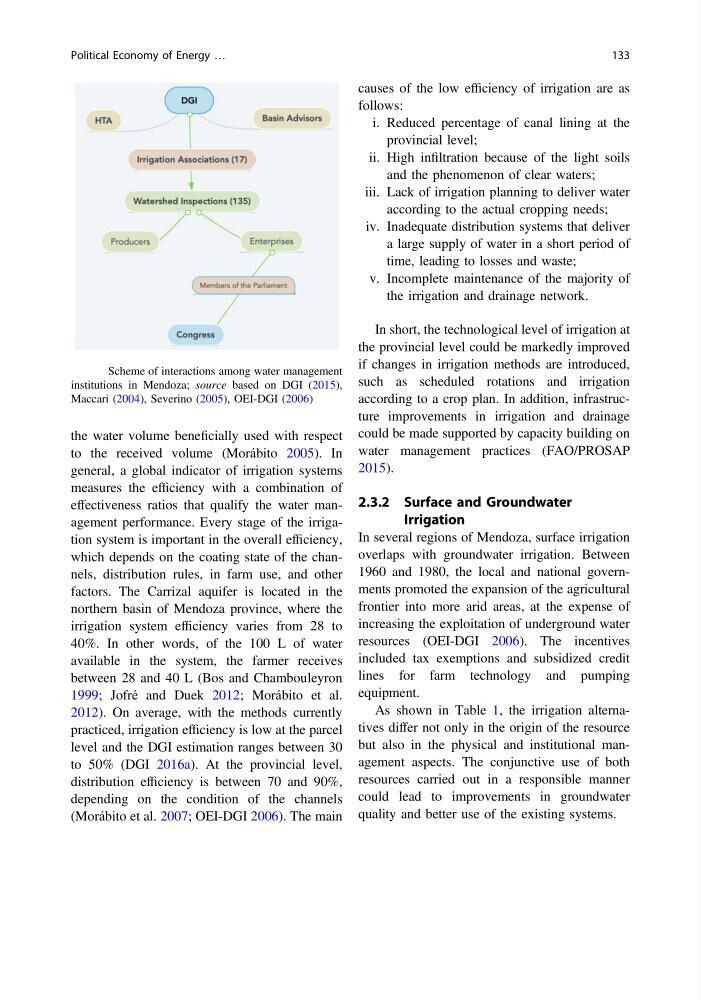
Fig. 2 Scheme of interactions among water management
institutions in Mendoza; source based on DGI (2015),
Maccari (2004), Severino (2005), OEI-DGI (2006)
Political Economy of Energy …
133
to the received volume (Morábito 2005). In
general, a global indicator of irrigation systems
measures the efficiency with a combination of
effectiveness ratios that qualify the water management performance. Every stage of the irrigation system is important in the overall efficiency,
which depends on the coating state of the channels, distribution rules, in farm use, and other
factors. The Carrizal aquifer is located in the
northern basin of Mendoza province, where the
irrigation system efficiency varies from 28 to
40%. In other words, of the 100 L of water
available in the system, the farmer receives
between 28 and 40 L (Bos and Chambouleyron
1999; Jofré and Duek 2012; Morábito et al.
2012). On average, with the methods currently
practiced, irrigation efficiency is low at the parcel
level and the DGI estimation ranges between 30
to 50% (DGI 2016a). At the provincial level,
distribution efficiency is between 70 and 90%,
depending on the condition of the channels
(Morábito et al. 2007; OEI-DGI 2006). The main
causes of the low efficiency of irrigation are as
follows:
i. Reduced percentage of canal lining at the
provincial level;
ii. High infiltration because of the light soils
and the phenomenon of clear waters;
iii. Lack of irrigation planning to deliver water
according to the actual cropping needs;
iv. Inadequate distribution systems that deliver
a large supply of water in a short period of
time, leading to losses and waste;
v. Incomplete maintenance of the majority of
the irrigation and drainage network.
In short, the technological level of irrigation at
the provincial level could be markedly improved
if changes in irrigation methods are introduced,
such as scheduled rotations and irrigation
according to a crop plan. In addition, infrastructure improvements in irrigation and drainage
could be made supported by capacity building on
water management practices (FAO/PROSAP
2015).
2.3.2 Surface and Groundwater
Irrigation
In several regions of Mendoza, surface irrigation
overlaps with groundwater irrigation. Between
1960 and 1980, the local and national governments promoted the expansion of the agricultural
frontier into more arid areas, at the expense of
increasing the exploitation of underground water
resources (OEI-DGI 2006). The incentives
included tax exemptions and subsidized credit
lines for farm technology and pumping
equipment.
As shown in Table 1, the irrigation alternatives differ not only in the origin of the resource
but also in the physical and institutional management aspects. The conjunctive use of both
resources carried out in a responsible manner
could lead to improvements in groundwater
quality and better use of the existing systems.
Fig. 2 Scheme of interactions among water management
institutions in Mendoza; source based on DGI (2015),
Maccari (2004), Severino (2005), OEI-DGI (2006)
Political Economy of Energy …
133