

18
or Fukushima will most probably not happen. Even if an accident happens, there
are new means and procedures, including sophisticated emergency preparedness
and response, which will be able to mitigate any significant consequences of any
nuclear mishaps. In addition to the unintentional failures due to material, instruments, software or even human failure, one must consider also cases when accidents
are caused deliberately or high activity radioactive material is used for the construction of a radiological dispersive device (or a so-called dirty bomb). Under the
present volatile situations in some regions in the world, the danger of radiological
terrorism committed by individual radicals or organized terrorist groups cannot be
underestimated.
While on one hand, uranium fission and radionuclides offer tremendous benefits
to mankind, on the other hand nuclear energy could be abused against humanity.
The most feared of possible scenarios of the future development is the one in which
terrorist groups would be able to acquire weapons of mass destruction. During the
decades of the Cold War people lived with a sense of possible nuclear apocalypse.
The current international nuclear weapons control referred to as the “nuclear
regime” to a large extent creates a framework in which nuclear weapons are currently under strict control, based mainly on the Non-Proliferation Treaty (NPT).
Key to this effort is the UN Treaty on the Prohibition of Nuclear Weapons adopted
on July 7, 2017. The treaty is considered as one of the landmarks in humanity’s
short but troubling history with nuclear arms. This began in 1945 when the atomic
bombs were used by the USA in bombing Hiroshima, on August 6, and Nagasaki,
on August 9, 1945. The total number of casualties was estimated to be over 200,000
people.
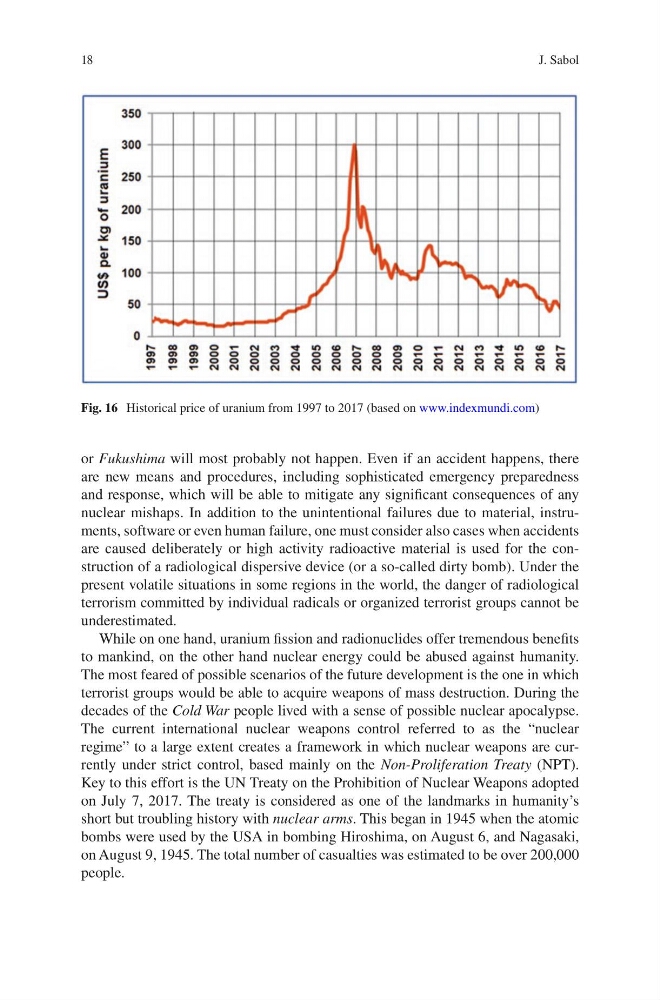
Fig. 16 Historical price of uranium from 1997 to 2017 (based on www.indexmundi.com)
J. Sabol
or Fukushima will most probably not happen. Even if an accident happens, there
are new means and procedures, including sophisticated emergency preparedness
and response, which will be able to mitigate any significant consequences of any
nuclear mishaps. In addition to the unintentional failures due to material, instruments, software or even human failure, one must consider also cases when accidents
are caused deliberately or high activity radioactive material is used for the construction of a radiological dispersive device (or a so-called dirty bomb). Under the
present volatile situations in some regions in the world, the danger of radiological
terrorism committed by individual radicals or organized terrorist groups cannot be
underestimated.
While on one hand, uranium fission and radionuclides offer tremendous benefits
to mankind, on the other hand nuclear energy could be abused against humanity.
The most feared of possible scenarios of the future development is the one in which
terrorist groups would be able to acquire weapons of mass destruction. During the
decades of the Cold War people lived with a sense of possible nuclear apocalypse.
The current international nuclear weapons control referred to as the “nuclear
regime” to a large extent creates a framework in which nuclear weapons are currently under strict control, based mainly on the Non-Proliferation Treaty (NPT).
Key to this effort is the UN Treaty on the Prohibition of Nuclear Weapons adopted
on July 7, 2017. The treaty is considered as one of the landmarks in humanity’s
short but troubling history with nuclear arms. This began in 1945 when the atomic
bombs were used by the USA in bombing Hiroshima, on August 6, and Nagasaki,
on August 9, 1945. The total number of casualties was estimated to be over 200,000
people.
Fig. 16 Historical price of uranium from 1997 to 2017 (based on www.indexmundi.com)
J. Sabol