

4.10 Extinction
99
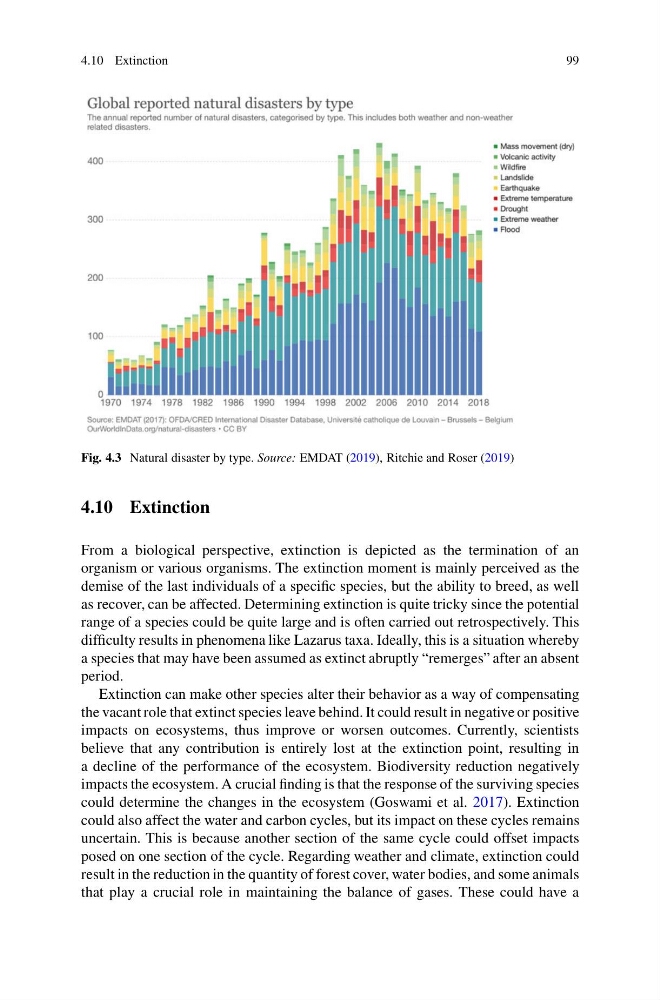
Fig. 4.3 Natural disaster by type. Source: EMDAT (2019), Ritchie and Roser (2019)
4.10 Extinction
From a biological perspective, extinction is depicted as the termination of an
organism or various organisms. The extinction moment is mainly perceived as the
demise of the last individuals of a specific species, but the ability to breed, as well
as recover, can be affected. Determining extinction is quite tricky since the potential
range of a species could be quite large and is often carried out retrospectively. This
difficulty results in phenomena like Lazarus taxa. Ideally, this is a situation whereby
a species that may have been assumed as extinct abruptly “remerges” after an absent
period.
Extinction can make other species alter their behavior as a way of compensating
the vacant role that extinct species leave behind. It could result in negative or positive
impacts on ecosystems, thus improve or worsen outcomes. Currently, scientists
believe that any contribution is entirely lost at the extinction point, resulting in
a decline of the performance of the ecosystem. Biodiversity reduction negatively
impacts the ecosystem. A crucial finding is that the response of the surviving species
could determine the changes in the ecosystem (Goswami et al. 2017). Extinction
could also affect the water and carbon cycles, but its impact on these cycles remains
uncertain. This is because another section of the same cycle could offset impacts
posed on one section of the cycle. Regarding weather and climate, extinction could
result in the reduction in the quantity of forest cover, water bodies, and some animals
that play a crucial role in maintaining the balance of gases. These could have a
99
Fig. 4.3 Natural disaster by type. Source: EMDAT (2019), Ritchie and Roser (2019)
4.10 Extinction
From a biological perspective, extinction is depicted as the termination of an
organism or various organisms. The extinction moment is mainly perceived as the
demise of the last individuals of a specific species, but the ability to breed, as well
as recover, can be affected. Determining extinction is quite tricky since the potential
range of a species could be quite large and is often carried out retrospectively. This
difficulty results in phenomena like Lazarus taxa. Ideally, this is a situation whereby
a species that may have been assumed as extinct abruptly “remerges” after an absent
period.
Extinction can make other species alter their behavior as a way of compensating
the vacant role that extinct species leave behind. It could result in negative or positive
impacts on ecosystems, thus improve or worsen outcomes. Currently, scientists
believe that any contribution is entirely lost at the extinction point, resulting in
a decline of the performance of the ecosystem. Biodiversity reduction negatively
impacts the ecosystem. A crucial finding is that the response of the surviving species
could determine the changes in the ecosystem (Goswami et al. 2017). Extinction
could also affect the water and carbon cycles, but its impact on these cycles remains
uncertain. This is because another section of the same cycle could offset impacts
posed on one section of the cycle. Regarding weather and climate, extinction could
result in the reduction in the quantity of forest cover, water bodies, and some animals
that play a crucial role in maintaining the balance of gases. These could have a