

98
4 Effects of Everyday Activities on the Ecosystem
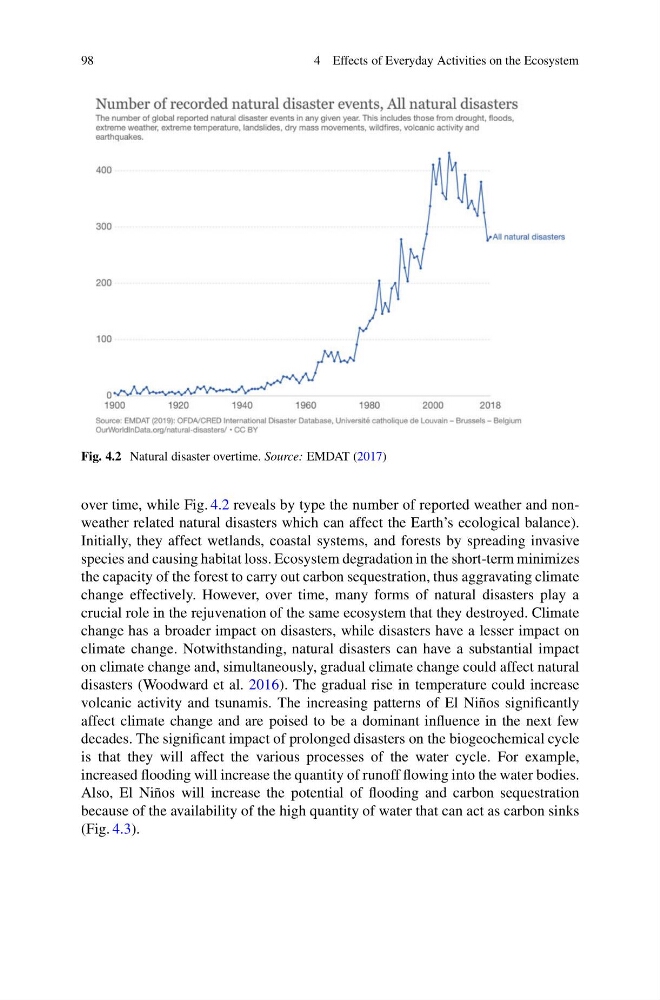
Fig. 4.2 Natural disaster overtime. Source: EMDAT (2017)
over time, while Fig. 4.2 reveals by type the number of reported weather and nonweather related natural disasters which can affect the Earth’s ecological balance).
Initially, they affect wetlands, coastal systems, and forests by spreading invasive
species and causing habitat loss. Ecosystem degradation in the short-term minimizes
the capacity of the forest to carry out carbon sequestration, thus aggravating climate
change effectively. However, over time, many forms of natural disasters play a
crucial role in the rejuvenation of the same ecosystem that they destroyed. Climate
change has a broader impact on disasters, while disasters have a lesser impact on
climate change. Notwithstanding, natural disasters can have a substantial impact
on climate change and, simultaneously, gradual climate change could affect natural
disasters (Woodward et al. 2016). The gradual rise in temperature could increase
volcanic activity and tsunamis. The increasing patterns of El Niños significantly
affect climate change and are poised to be a dominant influence in the next few
decades. The significant impact of prolonged disasters on the biogeochemical cycle
is that they will affect the various processes of the water cycle. For example,
increased flooding will increase the quantity of runoff flowing into the water bodies.
Also, El Niños will increase the potential of flooding and carbon sequestration
because of the availability of the high quantity of water that can act as carbon sinks
(Fig. 4.3).
4 Effects of Everyday Activities on the Ecosystem
Fig. 4.2 Natural disaster overtime. Source: EMDAT (2017)
over time, while Fig. 4.2 reveals by type the number of reported weather and nonweather related natural disasters which can affect the Earth’s ecological balance).
Initially, they affect wetlands, coastal systems, and forests by spreading invasive
species and causing habitat loss. Ecosystem degradation in the short-term minimizes
the capacity of the forest to carry out carbon sequestration, thus aggravating climate
change effectively. However, over time, many forms of natural disasters play a
crucial role in the rejuvenation of the same ecosystem that they destroyed. Climate
change has a broader impact on disasters, while disasters have a lesser impact on
climate change. Notwithstanding, natural disasters can have a substantial impact
on climate change and, simultaneously, gradual climate change could affect natural
disasters (Woodward et al. 2016). The gradual rise in temperature could increase
volcanic activity and tsunamis. The increasing patterns of El Niños significantly
affect climate change and are poised to be a dominant influence in the next few
decades. The significant impact of prolonged disasters on the biogeochemical cycle
is that they will affect the various processes of the water cycle. For example,
increased flooding will increase the quantity of runoff flowing into the water bodies.
Also, El Niños will increase the potential of flooding and carbon sequestration
because of the availability of the high quantity of water that can act as carbon sinks
(Fig. 4.3).