

From Smart Materials to Chromic Textiles
267
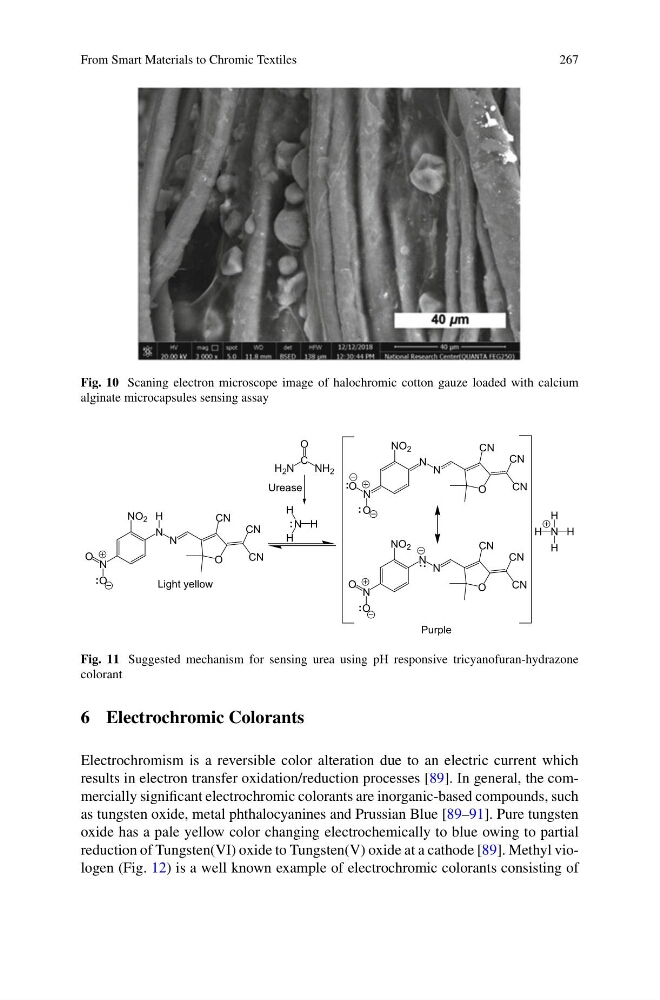
Fig. 10 Scaning electron microscope image of halochromic cotton gauze loaded with calcium
alginate microcapsules sensing assay
O
CN
CN
CN
N
N
N
O
O
H
O
CN
CN
CN
N
N
N
O
O
O
CN
CN
CN
N
N
N
O
O
N H
H
H
H
N H
H
H
:
:
:
:
:
:
NO 2
NO 2
NO 2
Light yellow
Purple
NH 2
C
H 2 N
O
Urease
Fig. 11 Suggested mechanism for sensing urea using pH responsive tricyanofuran-hydrazone
colorant
6 Electrochromic Colorants
Electrochromism is a reversible color alteration due to an electric current which
results in electron transfer oxidation/reduction processes [89]. In general, the commercially significant electrochromic colorants are inorganic-based compounds, such
as tungsten oxide, metal phthalocyanines and Prussian Blue [89–91]. Pure tungsten
oxide has a pale yellow color changing electrochemically to blue owing to partial
reduction of Tungsten(VI) oxide to Tungsten(V) oxide at a cathode [89]. Methyl viologen (Fig. 12) is a well known example of electrochromic colorants consisting of
267
Fig. 10 Scaning electron microscope image of halochromic cotton gauze loaded with calcium
alginate microcapsules sensing assay
O
CN
CN
CN
N
N
N
O
O
H
O
CN
CN
CN
N
N
N
O
O
O
CN
CN
CN
N
N
N
O
O
N H
H
H
H
N H
H
H
:
:
:
:
:
:
NO 2
NO 2
NO 2
Light yellow
Purple
NH 2
C
H 2 N
O
Urease
Fig. 11 Suggested mechanism for sensing urea using pH responsive tricyanofuran-hydrazone
colorant
6 Electrochromic Colorants
Electrochromism is a reversible color alteration due to an electric current which
results in electron transfer oxidation/reduction processes [89]. In general, the commercially significant electrochromic colorants are inorganic-based compounds, such
as tungsten oxide, metal phthalocyanines and Prussian Blue [89–91]. Pure tungsten
oxide has a pale yellow color changing electrochemically to blue owing to partial
reduction of Tungsten(VI) oxide to Tungsten(V) oxide at a cathode [89]. Methyl viologen (Fig. 12) is a well known example of electrochromic colorants consisting of