

268
T. A. Khattab and M. S. Abdelrahman
N
H 3 C
N CH 3
N
H 3 C
N CH 3
+ e
- e
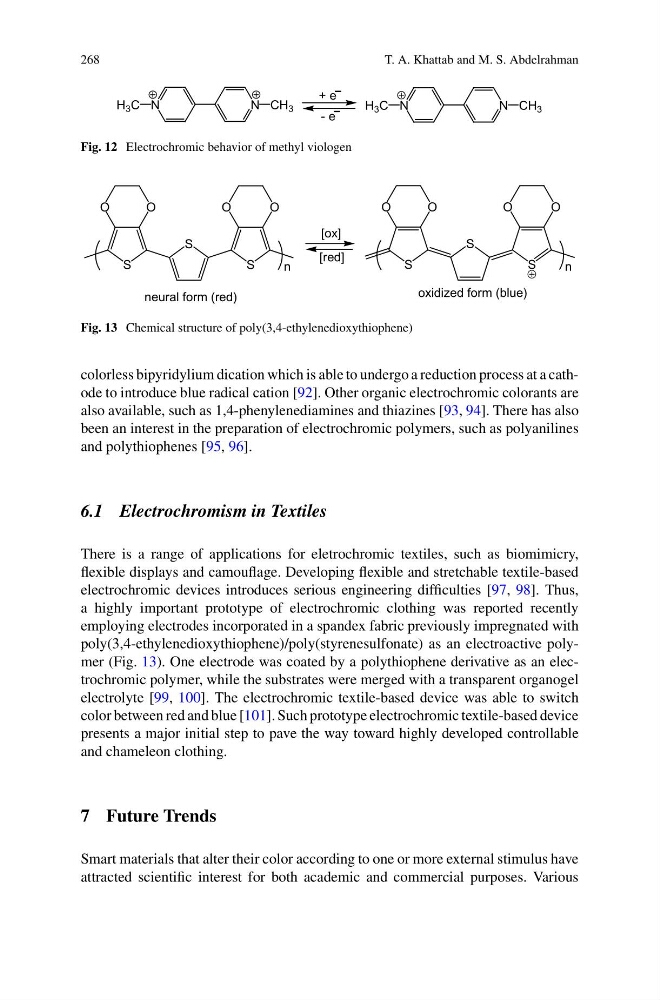
Fig. 12 Electrochromic behavior of methyl viologen
O
O
S
S
S
O
O
n
O
O
S
S
S
O
O
n
neural form (red)
oxidized form (blue)
[ox]
[red]
Fig. 13 Chemical structure of poly(3,4-ethylenedioxythiophene)
colorless bipyridylium dication which is able to undergo a reduction process at a cathode to introduce blue radical cation [92]. Other organic electrochromic colorants are
also available, such as 1,4-phenylenediamines and thiazines [93, 94]. There has also
been an interest in the preparation of electrochromic polymers, such as polyanilines
and polythiophenes [95, 96].
6.1 Electrochromism in Textiles
There is a range of applications for eletrochromic textiles, such as biomimicry,
flexible displays and camouflage. Developing flexible and stretchable textile-based
electrochromic devices introduces serious engineering difficulties [97, 98]. Thus,
a highly important prototype of electrochromic clothing was reported recently
employing electrodes incorporated in a spandex fabric previously impregnated with
poly(3,4-ethylenedioxythiophene)/poly(styrenesulfonate) as an electroactive polymer (Fig. 13). One electrode was coated by a polythiophene derivative as an electrochromic polymer, while the substrates were merged with a transparent organogel
electrolyte [99, 100]. The electrochromic textile-based device was able to switch
color between red and blue [101]. Such prototype electrochromic textile-based device
presents a major initial step to pave the way toward highly developed controllable
and chameleon clothing.
7 Future Trends
Smart materials that alter their color according to one or more external stimulus have
attracted scientific interest for both academic and commercial purposes. Various
T. A. Khattab and M. S. Abdelrahman
N
H 3 C
N CH 3
N
H 3 C
N CH 3
+ e
- e
Fig. 12 Electrochromic behavior of methyl viologen
O
O
S
S
S
O
O
n
O
O
S
S
S
O
O
n
neural form (red)
oxidized form (blue)
[ox]
[red]
Fig. 13 Chemical structure of poly(3,4-ethylenedioxythiophene)
colorless bipyridylium dication which is able to undergo a reduction process at a cathode to introduce blue radical cation [92]. Other organic electrochromic colorants are
also available, such as 1,4-phenylenediamines and thiazines [93, 94]. There has also
been an interest in the preparation of electrochromic polymers, such as polyanilines
and polythiophenes [95, 96].
6.1 Electrochromism in Textiles
There is a range of applications for eletrochromic textiles, such as biomimicry,
flexible displays and camouflage. Developing flexible and stretchable textile-based
electrochromic devices introduces serious engineering difficulties [97, 98]. Thus,
a highly important prototype of electrochromic clothing was reported recently
employing electrodes incorporated in a spandex fabric previously impregnated with
poly(3,4-ethylenedioxythiophene)/poly(styrenesulfonate) as an electroactive polymer (Fig. 13). One electrode was coated by a polythiophene derivative as an electrochromic polymer, while the substrates were merged with a transparent organogel
electrolyte [99, 100]. The electrochromic textile-based device was able to switch
color between red and blue [101]. Such prototype electrochromic textile-based device
presents a major initial step to pave the way toward highly developed controllable
and chameleon clothing.
7 Future Trends
Smart materials that alter their color according to one or more external stimulus have
attracted scientific interest for both academic and commercial purposes. Various