

From Smart Materials to Chromic Textiles
265
N
N
CH 3
CH 3
H 3 C
CH 3
O
N
CH 3
H 3 C
O
CH 3
COOH
N(CH 3 ) 2
N
H 3 C
CH 3
H
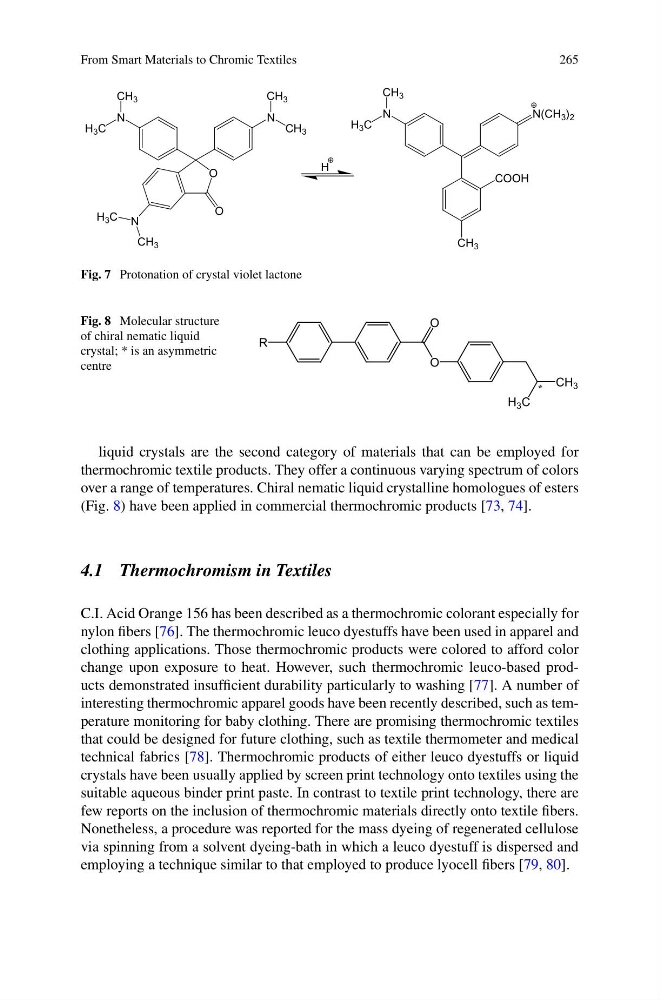
Fig. 7 Protonation of crystal violet lactone
Fig. 8 Molecular structure
of chiral nematic liquid
crystal; * is an asymmetric
centre
O
O
H 3 C
CH 3
R
*
liquid crystals are the second category of materials that can be employed for
thermochromic textile products. They offer a continuous varying spectrum of colors
over a range of temperatures. Chiral nematic liquid crystalline homologues of esters
(Fig. 8) have been applied in commercial thermochromic products [73, 74].
4.1 Thermochromism in Textiles
C.I. Acid Orange 156 has been described as a thermochromic colorant especially for
nylon fibers [76]. The thermochromic leuco dyestuffs have been used in apparel and
clothing applications. Those thermochromic products were colored to afford color
change upon exposure to heat. However, such thermochromic leuco-based products demonstrated insufficient durability particularly to washing [77]. A number of
interesting thermochromic apparel goods have been recently described, such as temperature monitoring for baby clothing. There are promising thermochromic textiles
that could be designed for future clothing, such as textile thermometer and medical
technical fabrics [78]. Thermochromic products of either leuco dyestuffs or liquid
crystals have been usually applied by screen print technology onto textiles using the
suitable aqueous binder print paste. In contrast to textile print technology, there are
few reports on the inclusion of thermochromic materials directly onto textile fibers.
Nonetheless, a procedure was reported for the mass dyeing of regenerated cellulose
via spinning from a solvent dyeing-bath in which a leuco dyestuff is dispersed and
employing a technique similar to that employed to produce lyocell fibers [79, 80].
265
N
N
CH 3
CH 3
H 3 C
CH 3
O
N
CH 3
H 3 C
O
CH 3
COOH
N(CH 3 ) 2
N
H 3 C
CH 3
H
Fig. 7 Protonation of crystal violet lactone
Fig. 8 Molecular structure
of chiral nematic liquid
crystal; * is an asymmetric
centre
O
O
H 3 C
CH 3
R
*
liquid crystals are the second category of materials that can be employed for
thermochromic textile products. They offer a continuous varying spectrum of colors
over a range of temperatures. Chiral nematic liquid crystalline homologues of esters
(Fig. 8) have been applied in commercial thermochromic products [73, 74].
4.1 Thermochromism in Textiles
C.I. Acid Orange 156 has been described as a thermochromic colorant especially for
nylon fibers [76]. The thermochromic leuco dyestuffs have been used in apparel and
clothing applications. Those thermochromic products were colored to afford color
change upon exposure to heat. However, such thermochromic leuco-based products demonstrated insufficient durability particularly to washing [77]. A number of
interesting thermochromic apparel goods have been recently described, such as temperature monitoring for baby clothing. There are promising thermochromic textiles
that could be designed for future clothing, such as textile thermometer and medical
technical fabrics [78]. Thermochromic products of either leuco dyestuffs or liquid
crystals have been usually applied by screen print technology onto textiles using the
suitable aqueous binder print paste. In contrast to textile print technology, there are
few reports on the inclusion of thermochromic materials directly onto textile fibers.
Nonetheless, a procedure was reported for the mass dyeing of regenerated cellulose
via spinning from a solvent dyeing-bath in which a leuco dyestuff is dispersed and
employing a technique similar to that employed to produce lyocell fibers [79, 80].