

Biotechnology: An Eco-friendly Tool of Nature for Textile …
103
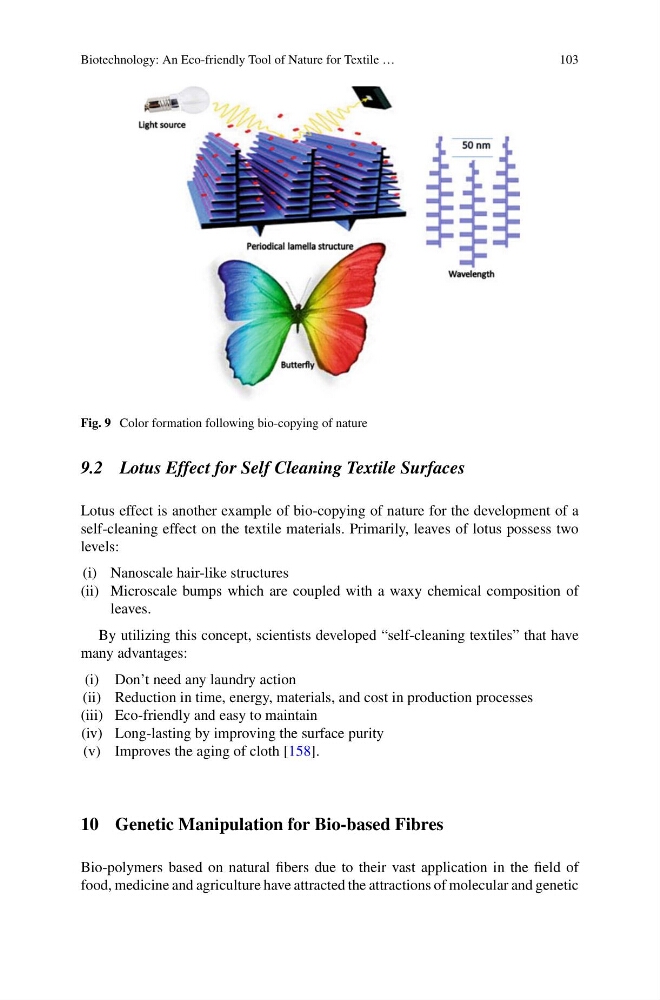
Fig. 9 Color formation following bio-copying of nature
9.2 Lotus Effect for Self Cleaning Textile Surfaces
Lotus effect is another example of bio-copying of nature for the development of a
self-cleaning effect on the textile materials. Primarily, leaves of lotus possess two
levels:
(i) Nanoscale hair-like structures
(ii) Microscale bumps which are coupled with a waxy chemical composition of
leaves.
By utilizing this concept, scientists developed “self-cleaning textiles” that have
many advantages:
(i) Don’t need any laundry action
(ii) Reduction in time, energy, materials, and cost in production processes
(iii) Eco-friendly and easy to maintain
(iv) Long-lasting by improving the surface purity
(v) Improves the aging of cloth [158].
10 Genetic Manipulation for Bio-based Fibres
Bio-polymers based on natural fibers due to their vast application in the field of
food, medicine and agriculture have attracted the attractions of molecular and genetic
103
Fig. 9 Color formation following bio-copying of nature
9.2 Lotus Effect for Self Cleaning Textile Surfaces
Lotus effect is another example of bio-copying of nature for the development of a
self-cleaning effect on the textile materials. Primarily, leaves of lotus possess two
levels:
(i) Nanoscale hair-like structures
(ii) Microscale bumps which are coupled with a waxy chemical composition of
leaves.
By utilizing this concept, scientists developed “self-cleaning textiles” that have
many advantages:
(i) Don’t need any laundry action
(ii) Reduction in time, energy, materials, and cost in production processes
(iii) Eco-friendly and easy to maintain
(iv) Long-lasting by improving the surface purity
(v) Improves the aging of cloth [158].
10 Genetic Manipulation for Bio-based Fibres
Bio-polymers based on natural fibers due to their vast application in the field of
food, medicine and agriculture have attracted the attractions of molecular and genetic