

104
S. Adeel et al.
engineers for (i) induction of entirely new properties by highly specific modifications
of natural fibers (ii) marketing of biopolymers from extinct or rarely available natural
fibers [159]. The genetic engineer has taken a breakthrough by introducing Bt cotton,
herbicide-tolerant cotton, cotton with entirely new characteristics, modified silk fibers
large quantities. In spite of these factors, the practical exploitation of rare or extinct
species is still pending [160, 161].
10.1 Bt and Herbicide Tolerant Cotton
Bt and herbicide-tolerant cotton are genetically modified or transgenic cotton
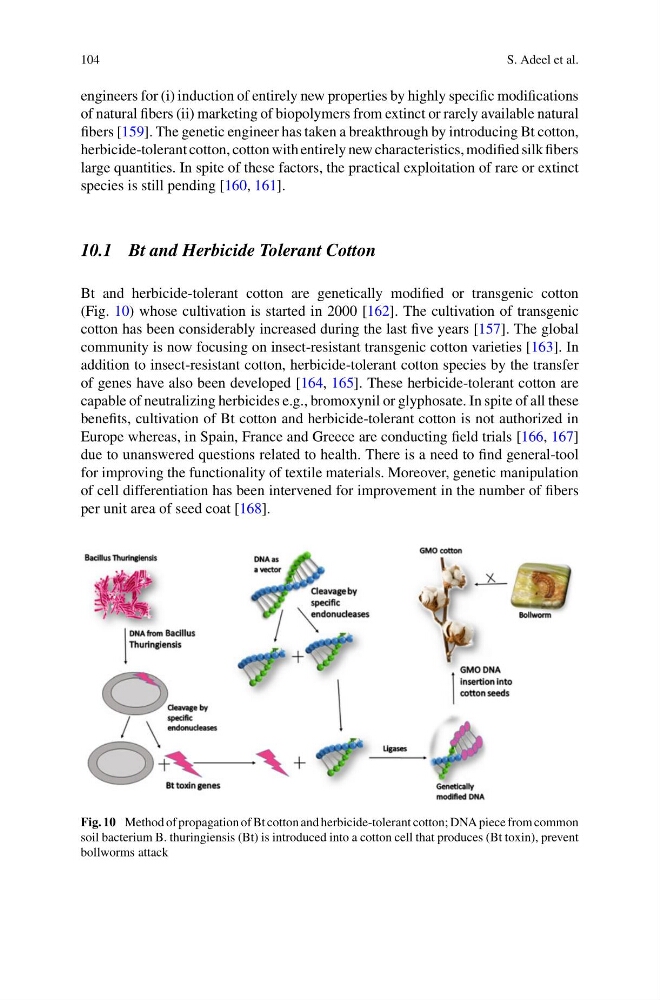
(Fig. 10) whose cultivation is started in 2000 [162]. The cultivation of transgenic
cotton has been considerably increased during the last five years [157]. The global
community is now focusing on insect-resistant transgenic cotton varieties [163]. In
addition to insect-resistant cotton, herbicide-tolerant cotton species by the transfer
of genes have also been developed [164, 165]. These herbicide-tolerant cotton are
capable of neutralizing herbicides e.g., bromoxynil or glyphosate. In spite of all these
benefits, cultivation of Bt cotton and herbicide-tolerant cotton is not authorized in
Europe whereas, in Spain, France and Greece are conducting field trials [166, 167]
due to unanswered questions related to health. There is a need to find general-tool
for improving the functionality of textile materials. Moreover, genetic manipulation
of cell differentiation has been intervened for improvement in the number of fibers
per unit area of seed coat [168].
Fig. 10 Method of propagation of Bt cotton and herbicide-tolerant cotton; DNA piece from common
soil bacterium B. thuringiensis (Bt) is introduced into a cotton cell that produces (Bt toxin), prevent
bollworms attack
S. Adeel et al.
engineers for (i) induction of entirely new properties by highly specific modifications
of natural fibers (ii) marketing of biopolymers from extinct or rarely available natural
fibers [159]. The genetic engineer has taken a breakthrough by introducing Bt cotton,
herbicide-tolerant cotton, cotton with entirely new characteristics, modified silk fibers
large quantities. In spite of these factors, the practical exploitation of rare or extinct
species is still pending [160, 161].
10.1 Bt and Herbicide Tolerant Cotton
Bt and herbicide-tolerant cotton are genetically modified or transgenic cotton
(Fig. 10) whose cultivation is started in 2000 [162]. The cultivation of transgenic
cotton has been considerably increased during the last five years [157]. The global
community is now focusing on insect-resistant transgenic cotton varieties [163]. In
addition to insect-resistant cotton, herbicide-tolerant cotton species by the transfer
of genes have also been developed [164, 165]. These herbicide-tolerant cotton are
capable of neutralizing herbicides e.g., bromoxynil or glyphosate. In spite of all these
benefits, cultivation of Bt cotton and herbicide-tolerant cotton is not authorized in
Europe whereas, in Spain, France and Greece are conducting field trials [166, 167]
due to unanswered questions related to health. There is a need to find general-tool
for improving the functionality of textile materials. Moreover, genetic manipulation
of cell differentiation has been intervened for improvement in the number of fibers
per unit area of seed coat [168].
Fig. 10 Method of propagation of Bt cotton and herbicide-tolerant cotton; DNA piece from common
soil bacterium B. thuringiensis (Bt) is introduced into a cotton cell that produces (Bt toxin), prevent
bollworms attack