

The CLCP/CNT composite film exhibited a rapid and reversible deformation under
alternate irradiation by UV and visible light (Fig. 6). This actuation is derived from
the structure change in the composite film, which results from the photoisomerization of the azobenzene moieties. Compared to the CLCPs prepared by
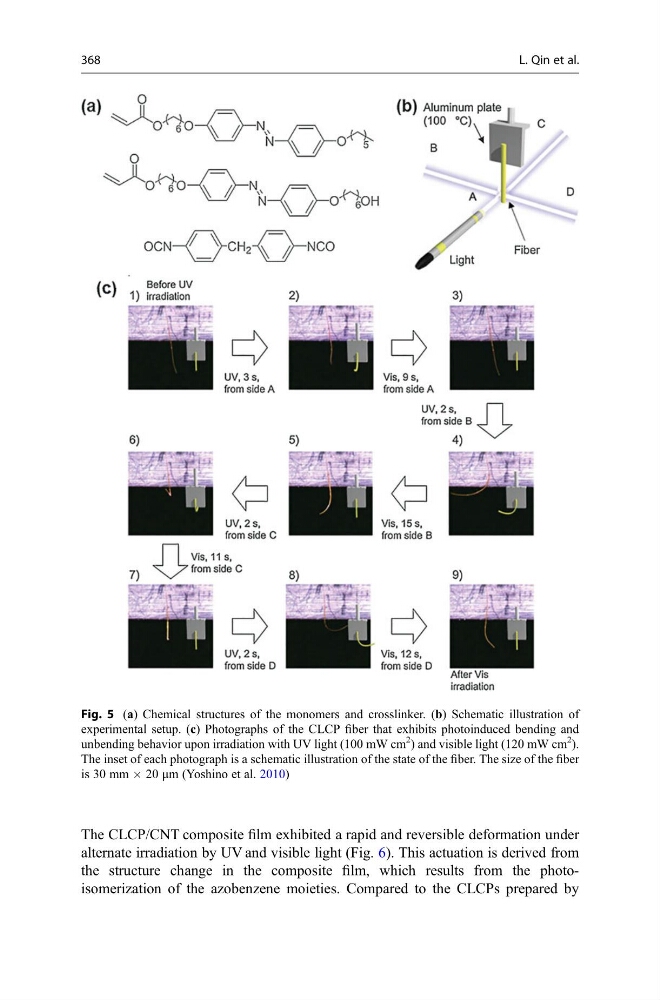
Fig. 5 (a) Chemical structures of the monomers and crosslinker. (b) Schematic illustration of
experimental setup. (c) Photographs of the CLCP fiber that exhibits photoinduced bending and
unbending behavior upon irradiation with UV light (100 mW cm
2
) and visible light (120 mW cm
2
).
The inset of each photograph is a schematic illustration of the state of the fiber. The size of the fiber
is 30 mm  20 μm (Yoshino et al. 2010)
368
L. Qin et al.
alternate irradiation by UV and visible light (Fig. 6). This actuation is derived from
the structure change in the composite film, which results from the photoisomerization of the azobenzene moieties. Compared to the CLCPs prepared by
Fig. 5 (a) Chemical structures of the monomers and crosslinker. (b) Schematic illustration of
experimental setup. (c) Photographs of the CLCP fiber that exhibits photoinduced bending and
unbending behavior upon irradiation with UV light (100 mW cm
2
) and visible light (120 mW cm
2
).
The inset of each photograph is a schematic illustration of the state of the fiber. The size of the fiber
is 30 mm  20 μm (Yoshino et al. 2010)
368
L. Qin et al.