

Preparation of Fe/ppm Cu Nanoparticles In a tared, flame-dried two-neck
round-bottomed flask, anhydrous pure FeCl 3 (121.7 mg, 0.75 mmol) and
CuOAc (1.839 mg, 0.015 mmol) were placed under an atmosphere of dry argon.
The flask was closed with a septum, and dry THF (10 mL) was added. The
reaction mixture was stirred for 10 min at rt. While maintaining a dry atmosphere
at rt., MeMgCl (2.25 mL, 1.125 mmol; 0.5 M solution) in THF was very
slowly (1 drop/2 s) added to the reaction mixture. After complete addition of the
Grignard reagent, the reaction mixture was stirred for an additional 30 min at rt.
An appearance of a dark brown coloration was indicative of generation of
nanomaterial. The stir bar was removed, and THF was evaporated under reduced
pressure at rt. followed by washing the mixture with dry pentane to provide a light
brown-colored nanopowder. The nanomaterial was dried under reduced pressure
at rt. for 10 min (603 mg) and could then be used directly for CuAAC reactions
under micellar conditions. Dividing the starting mass of CuOAc by the final
weight in the flask yields CuOAc concentration in the isolated catalyst: 1.839 mg
CuOAc/603 mg NPs ¼ 0.305 mg CuOAc/100 mg NPs which equates to 0.061 mg
(1,000 ppm Cu for 0.5 mmol substrate)/20 mg NPs.
General Procedure for CuAAC Reactions In a flame-dried 10 mL microwave
reaction vial, FeCl 3 (4.1 mg, 5 mol%) was added under anhydrous conditions.
The reaction vial was closed with a rubber septum, and the mixture was evacuated
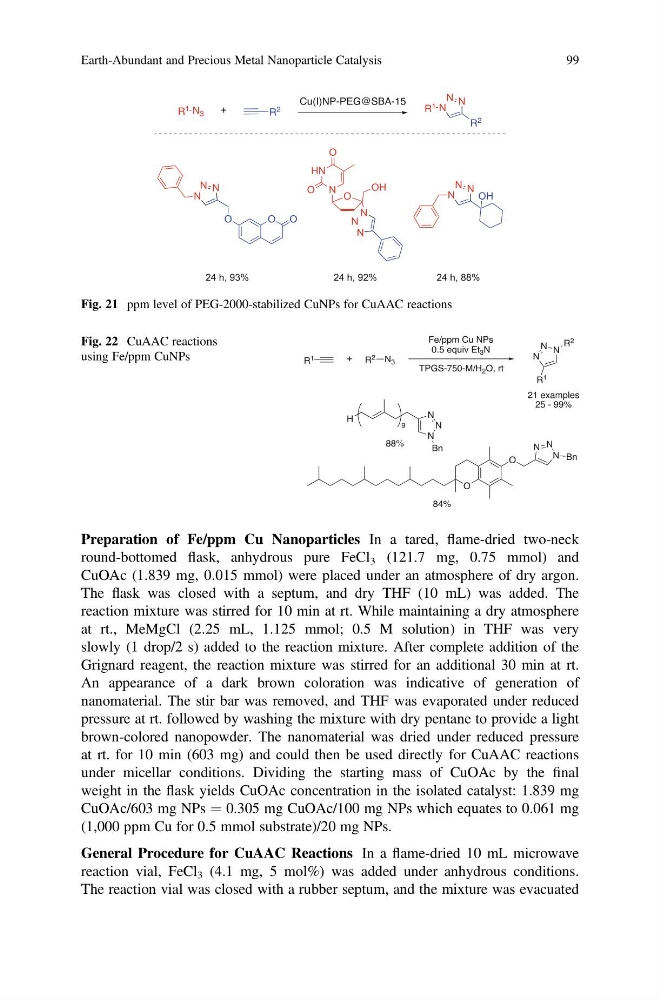
Fig. 21 ppm level of PEG-2000-stabilized CuNPs for CuAAC reactions
Fig. 22 CuAAC reactions
using Fe/ppm CuNPs
Earth-Abundant and Precious Metal Nanoparticle Catalysis
99
round-bottomed flask, anhydrous pure FeCl 3 (121.7 mg, 0.75 mmol) and
CuOAc (1.839 mg, 0.015 mmol) were placed under an atmosphere of dry argon.
The flask was closed with a septum, and dry THF (10 mL) was added. The
reaction mixture was stirred for 10 min at rt. While maintaining a dry atmosphere
at rt., MeMgCl (2.25 mL, 1.125 mmol; 0.5 M solution) in THF was very
slowly (1 drop/2 s) added to the reaction mixture. After complete addition of the
Grignard reagent, the reaction mixture was stirred for an additional 30 min at rt.
An appearance of a dark brown coloration was indicative of generation of
nanomaterial. The stir bar was removed, and THF was evaporated under reduced
pressure at rt. followed by washing the mixture with dry pentane to provide a light
brown-colored nanopowder. The nanomaterial was dried under reduced pressure
at rt. for 10 min (603 mg) and could then be used directly for CuAAC reactions
under micellar conditions. Dividing the starting mass of CuOAc by the final
weight in the flask yields CuOAc concentration in the isolated catalyst: 1.839 mg
CuOAc/603 mg NPs ¼ 0.305 mg CuOAc/100 mg NPs which equates to 0.061 mg
(1,000 ppm Cu for 0.5 mmol substrate)/20 mg NPs.
General Procedure for CuAAC Reactions In a flame-dried 10 mL microwave
reaction vial, FeCl 3 (4.1 mg, 5 mol%) was added under anhydrous conditions.
The reaction vial was closed with a rubber septum, and the mixture was evacuated
Fig. 21 ppm level of PEG-2000-stabilized CuNPs for CuAAC reactions
Fig. 22 CuAAC reactions
using Fe/ppm CuNPs
Earth-Abundant and Precious Metal Nanoparticle Catalysis
99