

1.2 Amide Activation
5
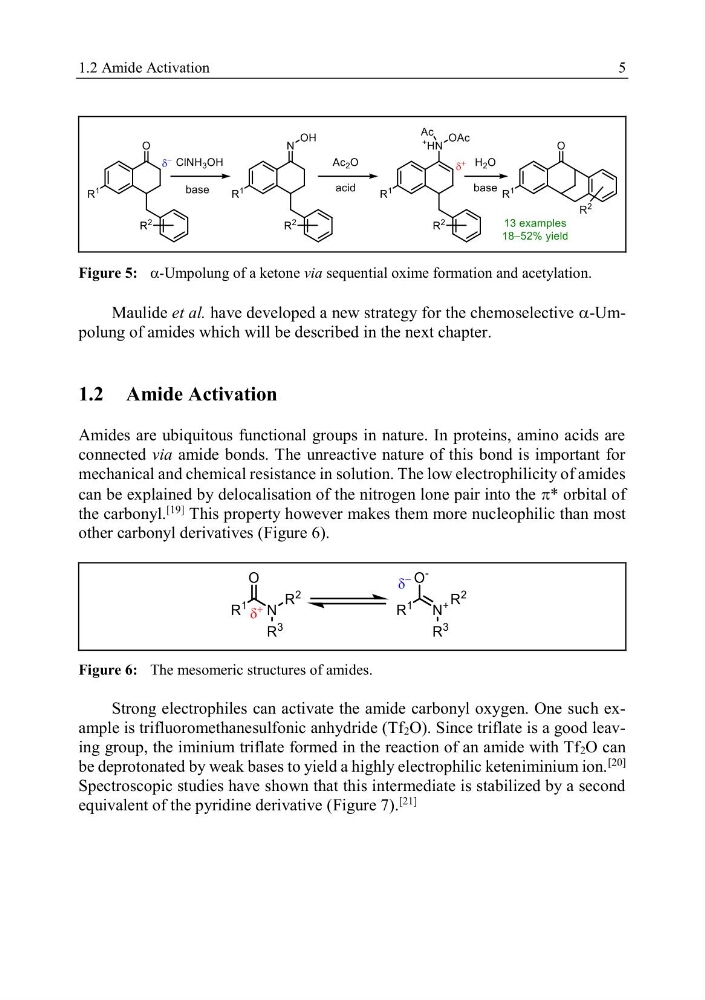
Figure 5: -Umpolung of a ketone via sequential oxime formation and acetylation.
Maulide et al. have developed a new strategy for the chemoselective -Umpolung of amides which will be described in the next chapter.
1.2 Amide Activation
Amides are ubiquitous functional groups in nature. In proteins, amino acids are
connected via amide bonds. The unreactive nature of this bond is important for
mechanical and chemical resistance in solution. The low electrophilicity of amides
can be explained by delocalisation of the nitrogen lone pair into the * orbital of
the carbonyl.
[19]
This property however makes them more nucleophilic than most
other carbonyl derivatives (Figure 6).
Figure 6: The mesomeric structures of amides.
Strong electrophiles can activate the amide carbonyl oxygen. One such example is trifluoromethanesulfonic anhydride (Tf2O). Since triflate is a good leaving group, the iminium triflate formed in the reaction of an amide with Tf2O can
be deprotonated by weak bases to yield a highly electrophilic keteniminium ion.
[20]
Spectroscopic studies have shown that this intermediate is stabilized by a second
equivalent of the pyridine derivative (Figure 7).
[21]
5
Figure 5: -Umpolung of a ketone via sequential oxime formation and acetylation.
Maulide et al. have developed a new strategy for the chemoselective -Umpolung of amides which will be described in the next chapter.
1.2 Amide Activation
Amides are ubiquitous functional groups in nature. In proteins, amino acids are
connected via amide bonds. The unreactive nature of this bond is important for
mechanical and chemical resistance in solution. The low electrophilicity of amides
can be explained by delocalisation of the nitrogen lone pair into the * orbital of
the carbonyl.
[19]
This property however makes them more nucleophilic than most
other carbonyl derivatives (Figure 6).
Figure 6: The mesomeric structures of amides.
Strong electrophiles can activate the amide carbonyl oxygen. One such example is trifluoromethanesulfonic anhydride (Tf2O). Since triflate is a good leaving group, the iminium triflate formed in the reaction of an amide with Tf2O can
be deprotonated by weak bases to yield a highly electrophilic keteniminium ion.
[20]
Spectroscopic studies have shown that this intermediate is stabilized by a second
equivalent of the pyridine derivative (Figure 7).
[21]