

8
M. Al-Sahari et al.
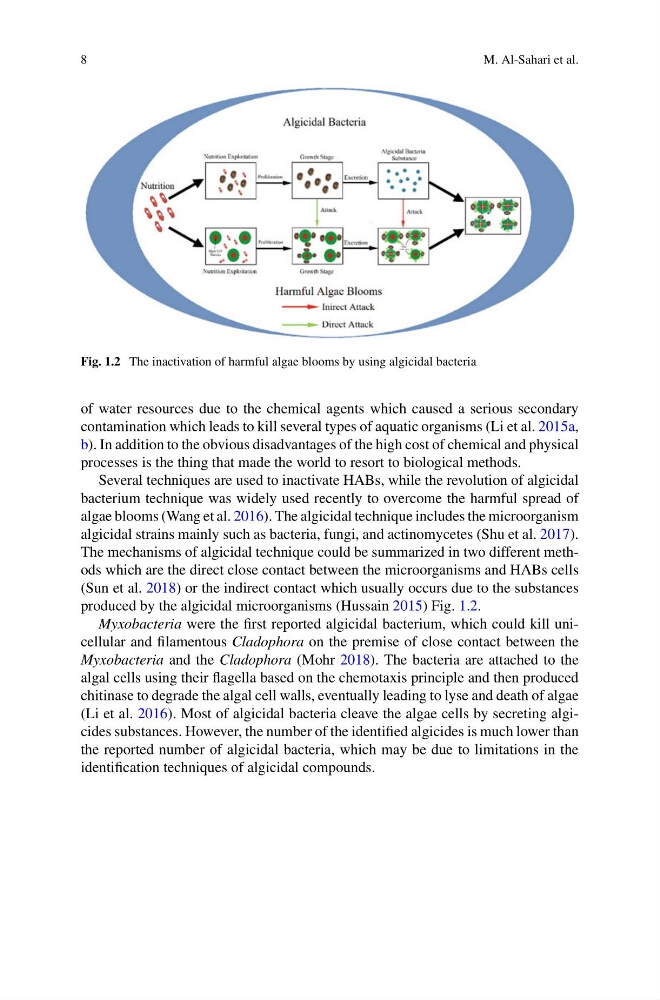
Fig. 1.2 The inactivation of harmful algae blooms by using algicidal bacteria
of water resources due to the chemical agents which caused a serious secondary
contamination which leads to kill several types of aquatic organisms (Li et al. 2015a,
b). In addition to the obvious disadvantages of the high cost of chemical and physical
processes is the thing that made the world to resort to biological methods.
Several techniques are used to inactivate HABs, while the revolution of algicidal
bacterium technique was widely used recently to overcome the harmful spread of
algae blooms (Wang et al. 2016). The algicidal technique includes the microorganism
algicidal strains mainly such as bacteria, fungi, and actinomycetes (Shu et al. 2017).
The mechanisms of algicidal technique could be summarized in two different methods which are the direct close contact between the microorganisms and HABs cells
(Sun et al. 2018) or the indirect contact which usually occurs due to the substances
produced by the algicidal microorganisms (Hussain 2015) Fig. 1.2.
Myxobacteria were the first reported algicidal bacterium, which could kill unicellular and filamentous Cladophora on the premise of close contact between the
Myxobacteria and the Cladophora (Mohr 2018). The bacteria are attached to the
algal cells using their flagella based on the chemotaxis principle and then produced
chitinase to degrade the algal cell walls, eventually leading to lyse and death of algae
(Li et al. 2016). Most of algicidal bacteria cleave the algae cells by secreting algicides substances. However, the number of the identified algicides is much lower than
the reported number of algicidal bacteria, which may be due to limitations in the
identification techniques of algicidal compounds.
M. Al-Sahari et al.
Fig. 1.2 The inactivation of harmful algae blooms by using algicidal bacteria
of water resources due to the chemical agents which caused a serious secondary
contamination which leads to kill several types of aquatic organisms (Li et al. 2015a,
b). In addition to the obvious disadvantages of the high cost of chemical and physical
processes is the thing that made the world to resort to biological methods.
Several techniques are used to inactivate HABs, while the revolution of algicidal
bacterium technique was widely used recently to overcome the harmful spread of
algae blooms (Wang et al. 2016). The algicidal technique includes the microorganism
algicidal strains mainly such as bacteria, fungi, and actinomycetes (Shu et al. 2017).
The mechanisms of algicidal technique could be summarized in two different methods which are the direct close contact between the microorganisms and HABs cells
(Sun et al. 2018) or the indirect contact which usually occurs due to the substances
produced by the algicidal microorganisms (Hussain 2015) Fig. 1.2.
Myxobacteria were the first reported algicidal bacterium, which could kill unicellular and filamentous Cladophora on the premise of close contact between the
Myxobacteria and the Cladophora (Mohr 2018). The bacteria are attached to the
algal cells using their flagella based on the chemotaxis principle and then produced
chitinase to degrade the algal cell walls, eventually leading to lyse and death of algae
(Li et al. 2016). Most of algicidal bacteria cleave the algae cells by secreting algicides substances. However, the number of the identified algicides is much lower than
the reported number of algicidal bacteria, which may be due to limitations in the
identification techniques of algicidal compounds.