

54
3 The Reactivity of Nitrile Imines
N
Cl
NH
MeO 2 C
AgOAc, CHCl 3
rt, 7 h
75 %
84 % ee
N
N
Me
Me
O Me
N
N
MeO 2 C
Me
N
N
Me
O Me
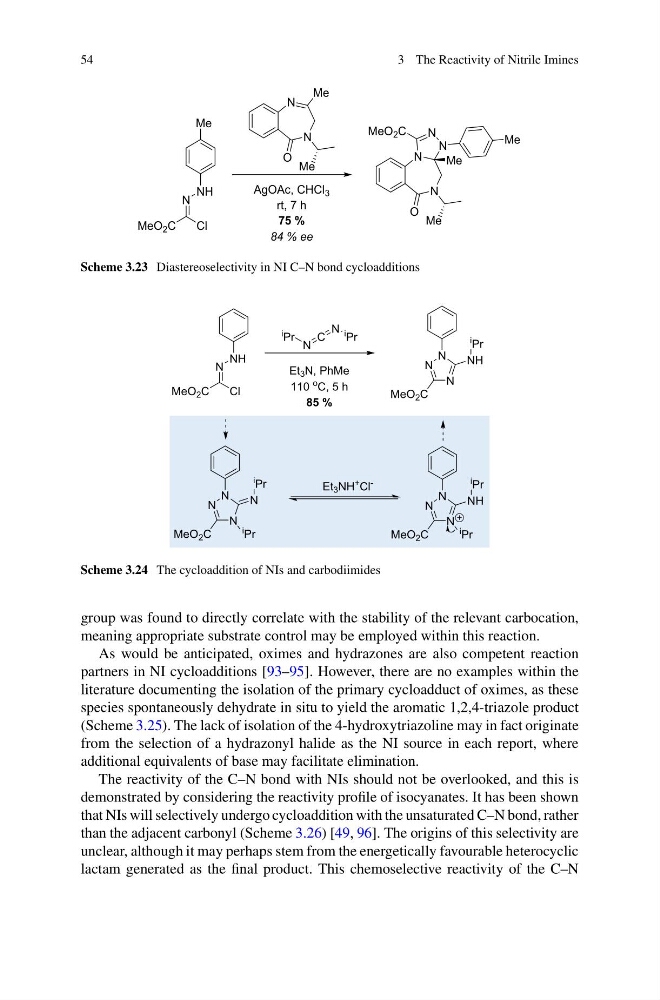
Scheme 3.23 Diastereoselectivity in NI C–N bond cycloadditions
N
Cl
NH
MeO 2 C
Et 3 N, PhMe
110
o C, 5 h
85 %
N
C
N
i Pr
i Pr
N
N
MeO 2 C
N
NH
i Pr
N
N
MeO 2 C
N
NH
i Pr
i Pr
N
N
MeO 2 C
N
N
i Pr
i Pr
Et 3 NH
+ Cl
-
Scheme 3.24 The cycloaddition of NIs and carbodiimides
group was found to directly correlate with the stability of the relevant carbocation,
meaning appropriate substrate control may be employed within this reaction.
As would be anticipated, oximes and hydrazones are also competent reaction
partners in NI cycloadditions [93–95]. However, there are no examples within the
literature documenting the isolation of the primary cycloadduct of oximes, as these
species spontaneously dehydrate in situ to yield the aromatic 1,2,4-triazole product
(Scheme 3.25). The lack of isolation of the 4-hydroxytriazoline may in fact originate
from the selection of a hydrazonyl halide as the NI source in each report, where
additional equivalents of base may facilitate elimination.
The reactivity of the C–N bond with NIs should not be overlooked, and this is
demonstrated by considering the reactivity profile of isocyanates. It has been shown
that NIs will selectively undergo cycloaddition with the unsaturated C–N bond, rather
than the adjacent carbonyl (Scheme 3.26) [49, 96]. The origins of this selectivity are
unclear, although it may perhaps stem from the energetically favourable heterocyclic
lactam generated as the final product. This chemoselective reactivity of the C–N
3 The Reactivity of Nitrile Imines
N
Cl
NH
MeO 2 C
AgOAc, CHCl 3
rt, 7 h
75 %
84 % ee
N
N
Me
Me
O Me
N
N
MeO 2 C
Me
N
N
Me
O Me
Scheme 3.23 Diastereoselectivity in NI C–N bond cycloadditions
N
Cl
NH
MeO 2 C
Et 3 N, PhMe
110
o C, 5 h
85 %
N
C
N
i Pr
i Pr
N
N
MeO 2 C
N
NH
i Pr
N
N
MeO 2 C
N
NH
i Pr
i Pr
N
N
MeO 2 C
N
N
i Pr
i Pr
Et 3 NH
+ Cl
-
Scheme 3.24 The cycloaddition of NIs and carbodiimides
group was found to directly correlate with the stability of the relevant carbocation,
meaning appropriate substrate control may be employed within this reaction.
As would be anticipated, oximes and hydrazones are also competent reaction
partners in NI cycloadditions [93–95]. However, there are no examples within the
literature documenting the isolation of the primary cycloadduct of oximes, as these
species spontaneously dehydrate in situ to yield the aromatic 1,2,4-triazole product
(Scheme 3.25). The lack of isolation of the 4-hydroxytriazoline may in fact originate
from the selection of a hydrazonyl halide as the NI source in each report, where
additional equivalents of base may facilitate elimination.
The reactivity of the C–N bond with NIs should not be overlooked, and this is
demonstrated by considering the reactivity profile of isocyanates. It has been shown
that NIs will selectively undergo cycloaddition with the unsaturated C–N bond, rather
than the adjacent carbonyl (Scheme 3.26) [49, 96]. The origins of this selectivity are
unclear, although it may perhaps stem from the energetically favourable heterocyclic
lactam generated as the final product. This chemoselective reactivity of the C–N