

3.1 1,3-Dipolar Cycloaddition
47
Cl
N
NH
Et 3 N, PhH
rt, 20 h
82 %
MeO
N
N
OMe
OMe
O
[Cr]
Me
MeO
O
[Cr]
Me
H
N
NH
py, NCS, Et 3 N, CHCl 3
rt, 1 h
69 %
NO 2
N N
NO 2
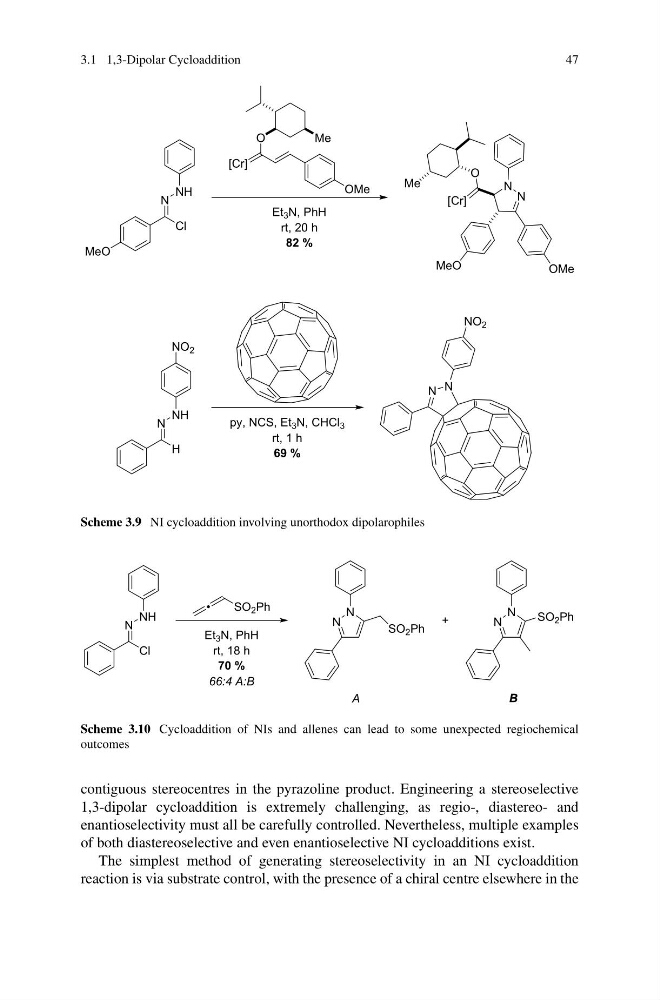
Scheme 3.9 NI cycloaddition involving unorthodox dipolarophiles
Cl
N
NH
Et 3 N, PhH
rt, 18 h
70 %
66:4 A:B
•
SO 2 Ph
N
N
SO 2 Ph
N
N
SO 2 Ph
+
B
A
Scheme 3.10 Cycloaddition of NIs and allenes can lead to some unexpected regiochemical
outcomes
contiguous stereocentres in the pyrazoline product. Engineering a stereoselective
1,3-dipolar cycloaddition is extremely challenging, as regio-, diastereo- and
enantioselectivity must all be carefully controlled. Nevertheless, multiple examples
of both diastereoselective and even enantioselective NI cycloadditions exist.
The simplest method of generating stereoselectivity in an NI cycloaddition
reaction is via substrate control, with the presence of a chiral centre elsewhere in the
47
Cl
N
NH
Et 3 N, PhH
rt, 20 h
82 %
MeO
N
N
OMe
OMe
O
[Cr]
Me
MeO
O
[Cr]
Me
H
N
NH
py, NCS, Et 3 N, CHCl 3
rt, 1 h
69 %
NO 2
N N
NO 2
Scheme 3.9 NI cycloaddition involving unorthodox dipolarophiles
Cl
N
NH
Et 3 N, PhH
rt, 18 h
70 %
66:4 A:B
•
SO 2 Ph
N
N
SO 2 Ph
N
N
SO 2 Ph
+
B
A
Scheme 3.10 Cycloaddition of NIs and allenes can lead to some unexpected regiochemical
outcomes
contiguous stereocentres in the pyrazoline product. Engineering a stereoselective
1,3-dipolar cycloaddition is extremely challenging, as regio-, diastereo- and
enantioselectivity must all be carefully controlled. Nevertheless, multiple examples
of both diastereoselective and even enantioselective NI cycloadditions exist.
The simplest method of generating stereoselectivity in an NI cycloaddition
reaction is via substrate control, with the presence of a chiral centre elsewhere in the