

122
4 Applications of Nitrile Imine Derivatives
THF
rt
h
N
N
N
N
OMe
O
O
O
O
O
O
N
N
MeO
O
O
n
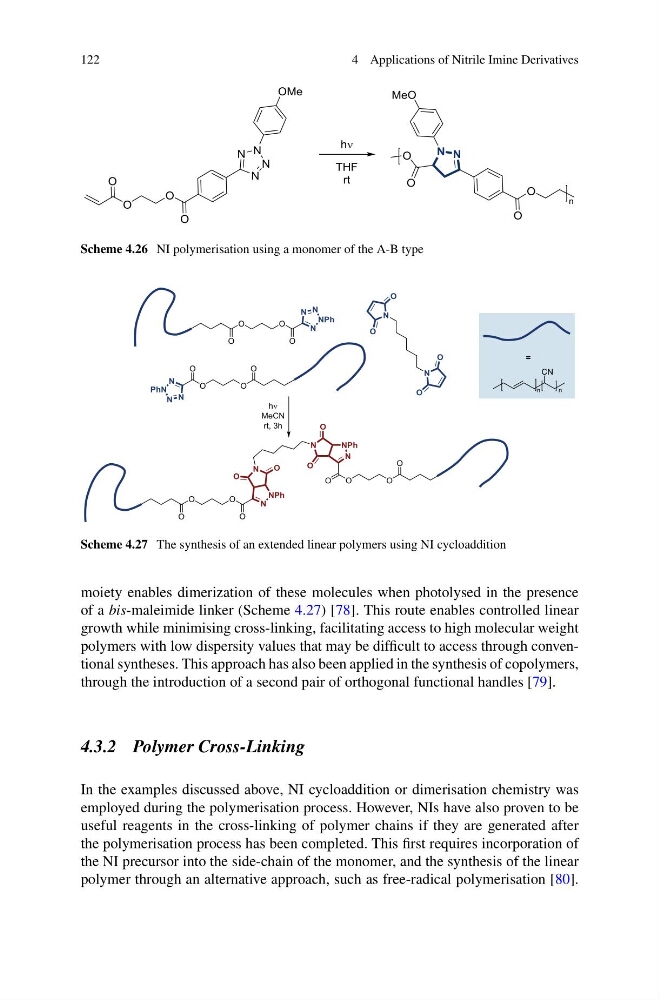
Scheme 4.26 NI polymerisation using a monomer of the A-B type
N
NPh
O
O
O
O
N
N
PhN
N
O
O
O
O
N
N
O
O
O
O
N
O
O
N
N
NPh
O
O
O
O
O
O
N
N
NPh
N
O
O
O
O
h
MeCN
rt, 3h
CN
n
n
=
Scheme 4.27 The synthesis of an extended linear polymers using NI cycloaddition
moiety enables dimerization of these molecules when photolysed in the presence
of a bis-maleimide linker (Scheme 4.27) [78]. This route enables controlled linear
growth while minimising cross-linking, facilitating access to high molecular weight
polymers with low dispersity values that may be difficult to access through conventional syntheses. This approach has also been applied in the synthesis of copolymers,
through the introduction of a second pair of orthogonal functional handles [79].
4.3.2 Polymer Cross-Linking
In the examples discussed above, NI cycloaddition or dimerisation chemistry was
employed during the polymerisation process. However, NIs have also proven to be
useful reagents in the cross-linking of polymer chains if they are generated after
the polymerisation process has been completed. This first requires incorporation of
the NI precursor into the side-chain of the monomer, and the synthesis of the linear
polymer through an alternative approach, such as free-radical polymerisation [80].
4 Applications of Nitrile Imine Derivatives
THF
rt
h
N
N
N
N
OMe
O
O
O
O
O
O
N
N
MeO
O
O
n
Scheme 4.26 NI polymerisation using a monomer of the A-B type
N
NPh
O
O
O
O
N
N
PhN
N
O
O
O
O
N
N
O
O
O
O
N
O
O
N
N
NPh
O
O
O
O
O
O
N
N
NPh
N
O
O
O
O
h
MeCN
rt, 3h
CN
n
n
=
Scheme 4.27 The synthesis of an extended linear polymers using NI cycloaddition
moiety enables dimerization of these molecules when photolysed in the presence
of a bis-maleimide linker (Scheme 4.27) [78]. This route enables controlled linear
growth while minimising cross-linking, facilitating access to high molecular weight
polymers with low dispersity values that may be difficult to access through conventional syntheses. This approach has also been applied in the synthesis of copolymers,
through the introduction of a second pair of orthogonal functional handles [79].
4.3.2 Polymer Cross-Linking
In the examples discussed above, NI cycloaddition or dimerisation chemistry was
employed during the polymerisation process. However, NIs have also proven to be
useful reagents in the cross-linking of polymer chains if they are generated after
the polymerisation process has been completed. This first requires incorporation of
the NI precursor into the side-chain of the monomer, and the synthesis of the linear
polymer through an alternative approach, such as free-radical polymerisation [80].