

In rural area, pits are generally built in a concealed region, either under a tree or
under a shed. Pits are developed under desirable dimensions (10 ft  5 ft  1 ft) with
proper ventilation. Essentially two kinds of pits are developed relying on the
necessity and accessibility in space of the composters: (1) four-tank framework
and (2) two-tank framework. For the simplification of loading procedure, four-tank
vermireactors are used in rural areas as it requires low organic wastes and is mostly
based on cow-dung composting mixed with different wastes produced at cattle
sheds, farm houses, litters, and different types of industrial wastes such as paper
mill wastes. A tank having dimension of 6 m  5 m  1 m is divided equally into
four chambers under shade of tree to prevent from the scorching sun. This is
specifically designed for the conversion of small amount of wastes (cattle) of around
30 kg/day. However, two tank systems were mainly built for the handling of small
amount of wastes. These systems are used to streamline the waste. Four-tank
frameworks utilize the combination of bio dung composting technique alongside
vermitechnology. Two-tank frameworks are essentially founded on household garbage and have few natural wastes. These methodologies are highly labor-intensive
and henceforth able to generate livelihood for the rural population. However, huge
amount of waste water gets generated during the time of composting and cleaning of
verm beds. This water can be reused for the new compost to balance the moisture as
Adult Worms
Worms
Vermiculture
Ecological Box
Vermicast
Market
Eggs
Compost bed
Moisture
maintenance
Organic feed
Worms
Vermiculture
Compost bed
Moisture
maintenance
Organic feed
Biofertilliser
Animal feed
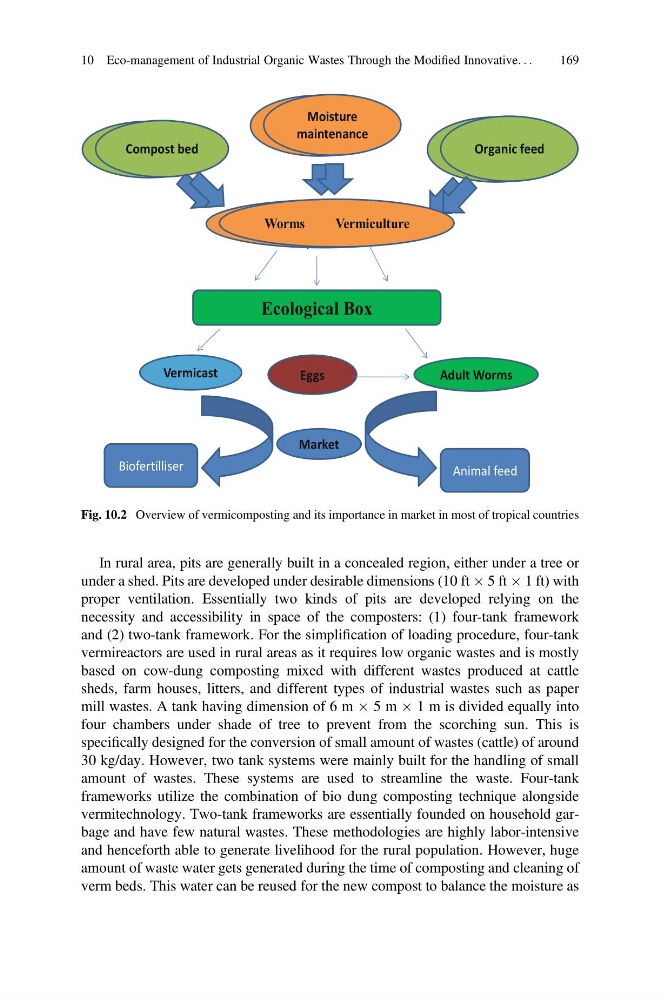
Fig. 10.2 Overview of vermicomposting and its importance in market in most of tropical countries
10 Eco-management of Industrial Organic Wastes Through the Modified Innovative. . .
169
under a shed. Pits are developed under desirable dimensions (10 ft  5 ft  1 ft) with
proper ventilation. Essentially two kinds of pits are developed relying on the
necessity and accessibility in space of the composters: (1) four-tank framework
and (2) two-tank framework. For the simplification of loading procedure, four-tank
vermireactors are used in rural areas as it requires low organic wastes and is mostly
based on cow-dung composting mixed with different wastes produced at cattle
sheds, farm houses, litters, and different types of industrial wastes such as paper
mill wastes. A tank having dimension of 6 m  5 m  1 m is divided equally into
four chambers under shade of tree to prevent from the scorching sun. This is
specifically designed for the conversion of small amount of wastes (cattle) of around
30 kg/day. However, two tank systems were mainly built for the handling of small
amount of wastes. These systems are used to streamline the waste. Four-tank
frameworks utilize the combination of bio dung composting technique alongside
vermitechnology. Two-tank frameworks are essentially founded on household garbage and have few natural wastes. These methodologies are highly labor-intensive
and henceforth able to generate livelihood for the rural population. However, huge
amount of waste water gets generated during the time of composting and cleaning of
verm beds. This water can be reused for the new compost to balance the moisture as
Adult Worms
Worms
Vermiculture
Ecological Box
Vermicast
Market
Eggs
Compost bed
Moisture
maintenance
Organic feed
Worms
Vermiculture
Compost bed
Moisture
maintenance
Organic feed
Biofertilliser
Animal feed
Fig. 10.2 Overview of vermicomposting and its importance in market in most of tropical countries
10 Eco-management of Industrial Organic Wastes Through the Modified Innovative. . .
169