

488
toxicity data on the basis of nominal concentrations were specifically excluded from
this synthesis; and (3) biological responses with whole organisms reported as mortality (LC50) or sublethal endpoints (EC50), specifically growth (i.e., abnormalities, development, hatching failure) or reproduction (i.e., fertilization, viability).
Only studies that used a standardized test procedure (i.e., acute or chronic), such as
modified EPA and CROSERF tests, were included in this synthesis.
Fourteen studies met the criteria specified above; comprising a total of 381
aquatic toxicity data points (Table 28.3). This toxicity synthesis showed that the
large majority of data (81%) were generated using standard acute toxicity exposure durations (24, 48, 72, 96 hrs), while exposure periods that deviated from
these standard durations accounted for 19% of the data. Consistently, a larger
effort focused on characterizing acute mortality (79% of all records), while less
attention was generally given to chronic/sublethal endpoints (21%). Although
toxicity data were generated using a large species diversity (32 aquatic species),
most data (75%) were for a handful of test organisms (i.e., Americamysis bahia,
Callinectes sapidus, Coryphaena hippurus, Crassostrea virginica, Cyprinodon
variegatus, Sciaenops ocellatus). Similarly, most data (82%) were generated
using early life stages (e.g., embryos, larvae), which are generally some of the
most sensitive life stages. Toxicity test results vary over two orders of magnitude
across aquatic species. These results are likely influenced by the preparation of
the exposure media and experimental conditions, plus the inherent differences in
sensitivity across test species. A related synthesis of dispersant-only toxicity data
(Bejarano 2018) found that the large majority of data generated post-2010 were
generated using non-US standard test species. Consistent with the findings above,
most dispersant-only toxicity data were based on LC50s from standard test durations (24, 48, 72, 96 hrs) under constant static or static renewal test conditions.
Toxicity data from chronic tests or from spiked flow-through exposures were
generally uncommon in the DWH literature.
^ƚĂƚŝƐƚŝĐƐ
ĂƚĂ/ŶƚĞƌƉƌĞƚĂƚŝŽŶ
ŝŽůŽŐŝĐĂůŶĚƉŽŝŶƚƐ
dĞƐƚŵĞƚŚŽĚƐĂŶĚĐŚĂƌĂĐƚĞƌŝnjĂƚŝŽŶ
ͻ ůƚĞƌŶĂƚĞŽŝůƚLJƉĞƐ;Ğ͘Ő͘ĚŝůƵƚĞĚďŝƚƵŵĞŶƐͿ
ͻ sĂƌŝĂďůĞĚŝůƵƚŝŽŶǀĞƌƐƵƐǀĂƌŝĂďůĞůŽĂĚŝŶŐ
ͻ džƉĞƌŝŵĞŶƚĂůĚĞƐŝŐŶĐŚĂŶŐĞƐ;Ğ͘Ő͘ůĂƌŐĞǀŽůƵŵĞƐͿ
ͻ ŚĞŵŝĐĂůĐŚĂƌĂĐƚĞƌŝnjĂƚŝŽŶƐ͖dW,͕W,Ɛ;η͕ƉĂƌĞŶƚ
ĂŶĚĂůŬLJůĂƚĞĚͿ͕ƉŽůĂƌĐŽŵƉŽƵŶĚƐ͕ĚŝƐƉĞƌƐĂŶƚ
ĐŽŵƉŽŶĞŶƚƐ͕ŽƚŚĞƌĂŶĂůLJƚĞƐ;ƵŶƌĞƐŽůǀĞĚĐŽŵƉůĞdž
ŵŝdžƚƵƌĞƐ͍ͿŽĨĐŽŶĐĞƌŶ;ŶŽŵŝŶĂůŶŽƚĂĐĐĞƉƚĂďůĞͿ
ͻ EĞǁĂŶĂůLJƚŝĐĂůĂƉƉƌŽĂĐŚĞƐͬƚŽŽůƐͬŵĞƚŚŽĚƐ
ͻ KŝůĚƌŽƉůĞƚƋƵĂŶƚŝƚLJĂŶĚƐŝnjĞĐŚĂƌĂĐƚĞƌŝnjĂƚŝŽŶ
ͻ EĞǁƐƉŝůůƌĞůĞĂƐĞŝƐƐƵĞƐ;ŝ͘Ğ͘ĚĞĞƉƐĞĂůŽĐĂƚŝŽŶƐ͕
ƉƌĞƐƐƵƌĞƐ͕ƚĞŵƉĞƌĂƚƵƌĞƐͿ
ͻ &ŽĐƵƐŽŶŽƌĞdžŝƚϵϱϬϬ;ŶĞǁŽŝů͗ĚŝƐƉĞƌƐĂŶƚ ƌĂƚŝŽƐͿ
ͻ ^ƉŝůůĂƉƉƌŽƉƌŝĂƚĞƐŽůƵƚŝŽŶƉƌĞƉĂƌĂƚŝŽŶŵĞƚŚŽĚƐ
WŚŽƚŽĂĐƚŝǀĂƚŝŽŶͬƉŚŽƚŽŵŽĚŝĨŝĐĂƚŝŽŶͬhsŝƐƐƵĞƐ
ͻ
/ŶŶŽǀĂƚŝǀĞďĞŶƚŚŝĐͬƐĞĚŝŵĞŶƚďŝŽĂƐƐĂLJƐ
ͻ EĞǁĞdžƉŽƐƵƌĞƌŽƵƚĞƐŽĨ
ĐŽŶĐĞƌŶ
ͻ EĞǁŵŽůĞĐƵůĂƌƚŽŽůƐƉƌŽǀŝĚĞ
ŶĞǁĞŶĚƉŽŝŶƚƐ
ͻ ŝĨĨĞƌĞŶƚƚĞƐƚƐƉĞĐŝĞƐĂŶĚůŝĨĞ
ƐƚĂŐĞƐŽĨĐŽŶĐĞƌŶ
ͻ DƵůƚŝƉůĞĂŶĚĐŽͲƐƚƌĞƐƐŽƌƐ
ͻ /ŶƚĞƌĂĐƚŝŽŶƐǁŝƚŚŽƚŚĞƌ
ĞŶǀŝƌŽŶŵĞŶƚĂůƉĂƌĂŵĞƚĞƌƐͬ
ƐƚƌĞƐƐŽƌƐ;Ğ͘Ő͘ƐĂůŝŶŝƚLJ͕hs
ůŝŐŚƚ͕K͕ĨŽŽĚ͕dƉƌĞƐƐƵƌĞͿ
ͻ EĞǁŵĞĐŚĂŶŝƐŵƐŽĨĂĐƚŝŽŶ
ͻ DƵůƚŝƉůĞƐƉĞĐŝĞƐŝŶƚĞƌĂĐƚŝŽŶƐ
;Ğ͘Ő͘ŵŝĐƌŽďŝŽŵĞͿ
ͻ dŽdžŝĐƵŶŝƚƐ;dhͿĂƉƉƌŽĂĐŚ
ͻ ƉƉƌŽƉƌŝĂƚĞĚĞƐŝŐŶŽĨ
ĞdžƉĞƌŝŵĞŶƚƐ;ĚĞĨŝŶĞ
ƋƵĞƐƚŝŽŶƐďĞŝŶŐĂƐŬĞĚͿ
ͻ >ŝŵŝƚĂƚŝŽŶƐͬĐŽƌƌĞĐƚĚĂƚĂ
ŝŶƚĞƌƉƌĞƚĂƚŝŽŶ;ĂŶĚĨŝĞůĚ
ƌĞůĞǀĂŶĐĞŝĨĂƉƉƌŽƉƌŝĂƚĞͿ
ͻ ^ƚĂƚŝƐƚŝĐĂůŵĞƚŚŽĚƐƵƐĞĚ
ͻ ĂƚĂƐLJŶƚŚĞƐŝƐ
ͻ /ŶƚĞƌĂĐƚŝŽŶƐͬŵƵůƚŝƉůĞ
ƐƚƌĞƐƐŽƌƐ;ĂďŝŽƚŝĐͬďŝŽƚŝĐͿ
ͻ KŝůƚƌĂŶƐƉŽƌƚĂŶĚĨĂƚĞ
ŵŽĚĞůƐ
ͻ KŝůƚŽdžŝĐŝƚLJŵŽĚĞůƐ
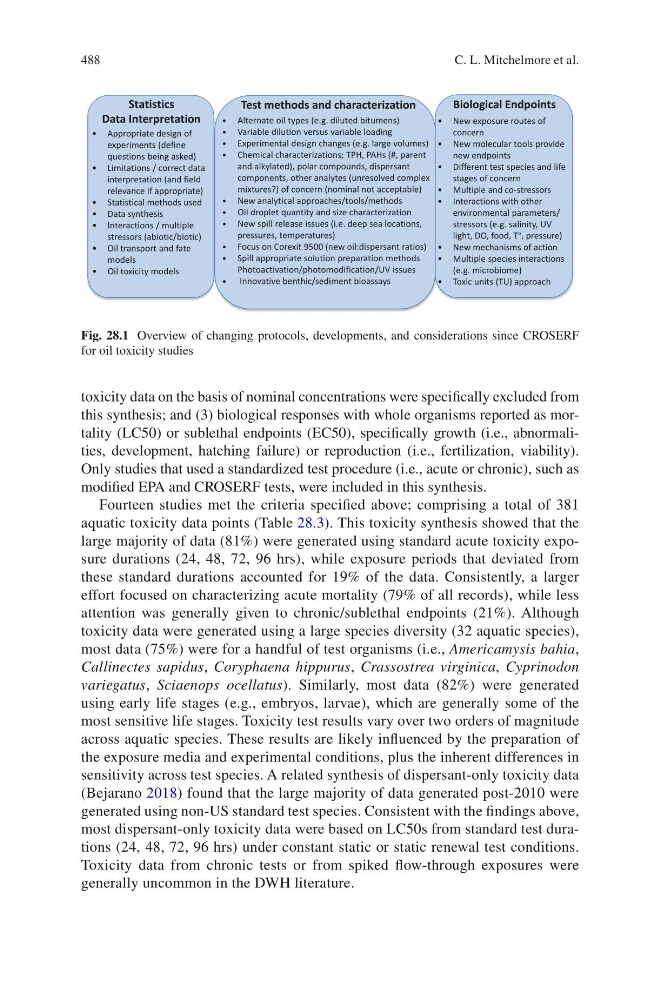
Fig. 28.1 Overview of changing protocols, developments, and considerations since CROSERF
for oil toxicity studies
C. L. Mitchelmore et al.
toxicity data on the basis of nominal concentrations were specifically excluded from
this synthesis; and (3) biological responses with whole organisms reported as mortality (LC50) or sublethal endpoints (EC50), specifically growth (i.e., abnormalities, development, hatching failure) or reproduction (i.e., fertilization, viability).
Only studies that used a standardized test procedure (i.e., acute or chronic), such as
modified EPA and CROSERF tests, were included in this synthesis.
Fourteen studies met the criteria specified above; comprising a total of 381
aquatic toxicity data points (Table 28.3). This toxicity synthesis showed that the
large majority of data (81%) were generated using standard acute toxicity exposure durations (24, 48, 72, 96 hrs), while exposure periods that deviated from
these standard durations accounted for 19% of the data. Consistently, a larger
effort focused on characterizing acute mortality (79% of all records), while less
attention was generally given to chronic/sublethal endpoints (21%). Although
toxicity data were generated using a large species diversity (32 aquatic species),
most data (75%) were for a handful of test organisms (i.e., Americamysis bahia,
Callinectes sapidus, Coryphaena hippurus, Crassostrea virginica, Cyprinodon
variegatus, Sciaenops ocellatus). Similarly, most data (82%) were generated
using early life stages (e.g., embryos, larvae), which are generally some of the
most sensitive life stages. Toxicity test results vary over two orders of magnitude
across aquatic species. These results are likely influenced by the preparation of
the exposure media and experimental conditions, plus the inherent differences in
sensitivity across test species. A related synthesis of dispersant-only toxicity data
(Bejarano 2018) found that the large majority of data generated post-2010 were
generated using non-US standard test species. Consistent with the findings above,
most dispersant-only toxicity data were based on LC50s from standard test durations (24, 48, 72, 96 hrs) under constant static or static renewal test conditions.
Toxicity data from chronic tests or from spiked flow-through exposures were
generally uncommon in the DWH literature.
^ƚĂƚŝƐƚŝĐƐ
ĂƚĂ/ŶƚĞƌƉƌĞƚĂƚŝŽŶ
ŝŽůŽŐŝĐĂůŶĚƉŽŝŶƚƐ
dĞƐƚŵĞƚŚŽĚƐĂŶĚĐŚĂƌĂĐƚĞƌŝnjĂƚŝŽŶ
ͻ ůƚĞƌŶĂƚĞŽŝůƚLJƉĞƐ;Ğ͘Ő͘ĚŝůƵƚĞĚďŝƚƵŵĞŶƐͿ
ͻ sĂƌŝĂďůĞĚŝůƵƚŝŽŶǀĞƌƐƵƐǀĂƌŝĂďůĞůŽĂĚŝŶŐ
ͻ džƉĞƌŝŵĞŶƚĂůĚĞƐŝŐŶĐŚĂŶŐĞƐ;Ğ͘Ő͘ůĂƌŐĞǀŽůƵŵĞƐͿ
ͻ ŚĞŵŝĐĂůĐŚĂƌĂĐƚĞƌŝnjĂƚŝŽŶƐ͖dW,͕W,Ɛ;η͕ƉĂƌĞŶƚ
ĂŶĚĂůŬLJůĂƚĞĚͿ͕ƉŽůĂƌĐŽŵƉŽƵŶĚƐ͕ĚŝƐƉĞƌƐĂŶƚ
ĐŽŵƉŽŶĞŶƚƐ͕ŽƚŚĞƌĂŶĂůLJƚĞƐ;ƵŶƌĞƐŽůǀĞĚĐŽŵƉůĞdž
ŵŝdžƚƵƌĞƐ͍ͿŽĨĐŽŶĐĞƌŶ;ŶŽŵŝŶĂůŶŽƚĂĐĐĞƉƚĂďůĞͿ
ͻ EĞǁĂŶĂůLJƚŝĐĂůĂƉƉƌŽĂĐŚĞƐͬƚŽŽůƐͬŵĞƚŚŽĚƐ
ͻ KŝůĚƌŽƉůĞƚƋƵĂŶƚŝƚLJĂŶĚƐŝnjĞĐŚĂƌĂĐƚĞƌŝnjĂƚŝŽŶ
ͻ EĞǁƐƉŝůůƌĞůĞĂƐĞŝƐƐƵĞƐ;ŝ͘Ğ͘ĚĞĞƉƐĞĂůŽĐĂƚŝŽŶƐ͕
ƉƌĞƐƐƵƌĞƐ͕ƚĞŵƉĞƌĂƚƵƌĞƐͿ
ͻ &ŽĐƵƐŽŶŽƌĞdžŝƚϵϱϬϬ;ŶĞǁŽŝů͗ĚŝƐƉĞƌƐĂŶƚ ƌĂƚŝŽƐͿ
ͻ ^ƉŝůůĂƉƉƌŽƉƌŝĂƚĞƐŽůƵƚŝŽŶƉƌĞƉĂƌĂƚŝŽŶŵĞƚŚŽĚƐ
WŚŽƚŽĂĐƚŝǀĂƚŝŽŶͬƉŚŽƚŽŵŽĚŝĨŝĐĂƚŝŽŶͬhsŝƐƐƵĞƐ
ͻ
/ŶŶŽǀĂƚŝǀĞďĞŶƚŚŝĐͬƐĞĚŝŵĞŶƚďŝŽĂƐƐĂLJƐ
ͻ EĞǁĞdžƉŽƐƵƌĞƌŽƵƚĞƐŽĨ
ĐŽŶĐĞƌŶ
ͻ EĞǁŵŽůĞĐƵůĂƌƚŽŽůƐƉƌŽǀŝĚĞ
ŶĞǁĞŶĚƉŽŝŶƚƐ
ͻ ŝĨĨĞƌĞŶƚƚĞƐƚƐƉĞĐŝĞƐĂŶĚůŝĨĞ
ƐƚĂŐĞƐŽĨĐŽŶĐĞƌŶ
ͻ DƵůƚŝƉůĞĂŶĚĐŽͲƐƚƌĞƐƐŽƌƐ
ͻ /ŶƚĞƌĂĐƚŝŽŶƐǁŝƚŚŽƚŚĞƌ
ĞŶǀŝƌŽŶŵĞŶƚĂůƉĂƌĂŵĞƚĞƌƐͬ
ƐƚƌĞƐƐŽƌƐ;Ğ͘Ő͘ƐĂůŝŶŝƚLJ͕hs
ůŝŐŚƚ͕K͕ĨŽŽĚ͕dƉƌĞƐƐƵƌĞͿ
ͻ EĞǁŵĞĐŚĂŶŝƐŵƐŽĨĂĐƚŝŽŶ
ͻ DƵůƚŝƉůĞƐƉĞĐŝĞƐŝŶƚĞƌĂĐƚŝŽŶƐ
;Ğ͘Ő͘ŵŝĐƌŽďŝŽŵĞͿ
ͻ dŽdžŝĐƵŶŝƚƐ;dhͿĂƉƉƌŽĂĐŚ
ͻ ƉƉƌŽƉƌŝĂƚĞĚĞƐŝŐŶŽĨ
ĞdžƉĞƌŝŵĞŶƚƐ;ĚĞĨŝŶĞ
ƋƵĞƐƚŝŽŶƐďĞŝŶŐĂƐŬĞĚͿ
ͻ >ŝŵŝƚĂƚŝŽŶƐͬĐŽƌƌĞĐƚĚĂƚĂ
ŝŶƚĞƌƉƌĞƚĂƚŝŽŶ;ĂŶĚĨŝĞůĚ
ƌĞůĞǀĂŶĐĞŝĨĂƉƉƌŽƉƌŝĂƚĞͿ
ͻ ^ƚĂƚŝƐƚŝĐĂůŵĞƚŚŽĚƐƵƐĞĚ
ͻ ĂƚĂƐLJŶƚŚĞƐŝƐ
ͻ /ŶƚĞƌĂĐƚŝŽŶƐͬŵƵůƚŝƉůĞ
ƐƚƌĞƐƐŽƌƐ;ĂďŝŽƚŝĐͬďŝŽƚŝĐͿ
ͻ KŝůƚƌĂŶƐƉŽƌƚĂŶĚĨĂƚĞ
ŵŽĚĞůƐ
ͻ KŝůƚŽdžŝĐŝƚLJŵŽĚĞůƐ
Fig. 28.1 Overview of changing protocols, developments, and considerations since CROSERF
for oil toxicity studies
C. L. Mitchelmore et al.