

451
26.5.2 Additional Marine Mammal Studies
Latent effects of exposure have been examined in the case study of the resident
Barataria Bay bottlenose dolphin population. Over 5 years after heavy oiling of the
bay during the DWH oil spill, successful calving rates were 20% compared to 83%
for an unexposed reference population (Lane et al. 2015). It was unclear whether
unsuccessful pregnancies were directly caused by oil exposure or were linked indirectly through poor maternal health (Schwacke et al. 2013). Similar reproductive
failures occurring in offshore populations (e.g., Farmer et al. 2018) could explain
the observed long-term declines in encounter rates at oceanic monitoring locations.
Annual survival rates among adults were also lower (86.8%) than in comparable
populations (95.1 to 96.2%; Lane et al. 2015). Bottlenose dolphins in Barataria Bay
were five times more likely to have moderate to severe lung disease than a reference
population (Schwacke et al. 2013).
A study comparing short-term (7–12-day) PAM recordings before and after the
DWH spill at a site near the wellhead indicated possible declines in sperm whale
occurrence (Ackleh et al. 2012), with an increase of 25 miles from the site. However,
due to the high variability in sperm whale presence at fixed monitoring sites on
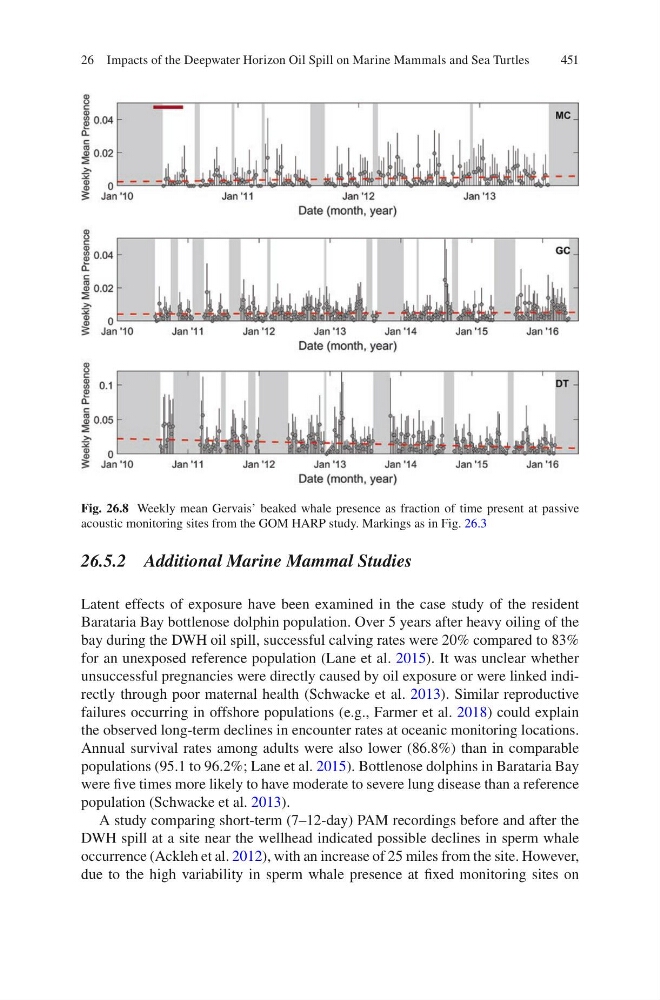
Fig. 26.8 Weekly mean Gervais’ beaked whale presence as fraction of time present at passive
acoustic monitoring sites from the GOM HARP study. Markings as in Fig. 26.3
26 Impacts of the Deepwater Horizon Oil Spill on Marine Mammals and Sea Turtles
26.5.2 Additional Marine Mammal Studies
Latent effects of exposure have been examined in the case study of the resident
Barataria Bay bottlenose dolphin population. Over 5 years after heavy oiling of the
bay during the DWH oil spill, successful calving rates were 20% compared to 83%
for an unexposed reference population (Lane et al. 2015). It was unclear whether
unsuccessful pregnancies were directly caused by oil exposure or were linked indirectly through poor maternal health (Schwacke et al. 2013). Similar reproductive
failures occurring in offshore populations (e.g., Farmer et al. 2018) could explain
the observed long-term declines in encounter rates at oceanic monitoring locations.
Annual survival rates among adults were also lower (86.8%) than in comparable
populations (95.1 to 96.2%; Lane et al. 2015). Bottlenose dolphins in Barataria Bay
were five times more likely to have moderate to severe lung disease than a reference
population (Schwacke et al. 2013).
A study comparing short-term (7–12-day) PAM recordings before and after the
DWH spill at a site near the wellhead indicated possible declines in sperm whale
occurrence (Ackleh et al. 2012), with an increase of 25 miles from the site. However,
due to the high variability in sperm whale presence at fixed monitoring sites on
Fig. 26.8 Weekly mean Gervais’ beaked whale presence as fraction of time present at passive
acoustic monitoring sites from the GOM HARP study. Markings as in Fig. 26.3
26 Impacts of the Deepwater Horizon Oil Spill on Marine Mammals and Sea Turtles