

129
the separated discrete phases that the oil and water samples were brought down to
ambient atmospheric pressure and temperature conditions.
All experiments were repeated with dispersant added to the system, to evaluate
its effect on the partitioning of organics in water. The oil/dispersant ratio for the
experiments was determined by conducting several benchtop experiments with
varying dispersant concentrations to determine the time of breaking of the formed
emulsion. Among the oil/dispersant ratios of 10:1, 100:1, 500:1, and 1000:1 evaluated, the emulsion breaking time ranged from 24 hours for 10:1 to 15 minutes for
1000:1. The ratio of 1000:1 was selected to be used for the experiments being conducted on the partitioning device to have a reasonable total experimental time for
each run. The dispersant was mixed with the oil and added to the hydropneumatic
accumulator prior to charging with methane. The rest of the experimental operations were conducted as per normal treatments.
The water samples from the partition device were filtered immediately following collection using Whatman 0.45 μm GD/X glass microfiber filters to reduce the
interaction between any emulsified oil and the free water as the pressure was
released. The filtration ensured that only the water-soluble organics are considered
while removing the emulsified oil-in-water droplets by filtration (Liu and
Kujawinski 2015; Girling 2013). The filtered water samples were then spiked with
ethylbenzene- D10 as an internal standard and extracted with an aliquot of dichloromethane. The whole dichloromethane extracts were then directly analyzed by gas
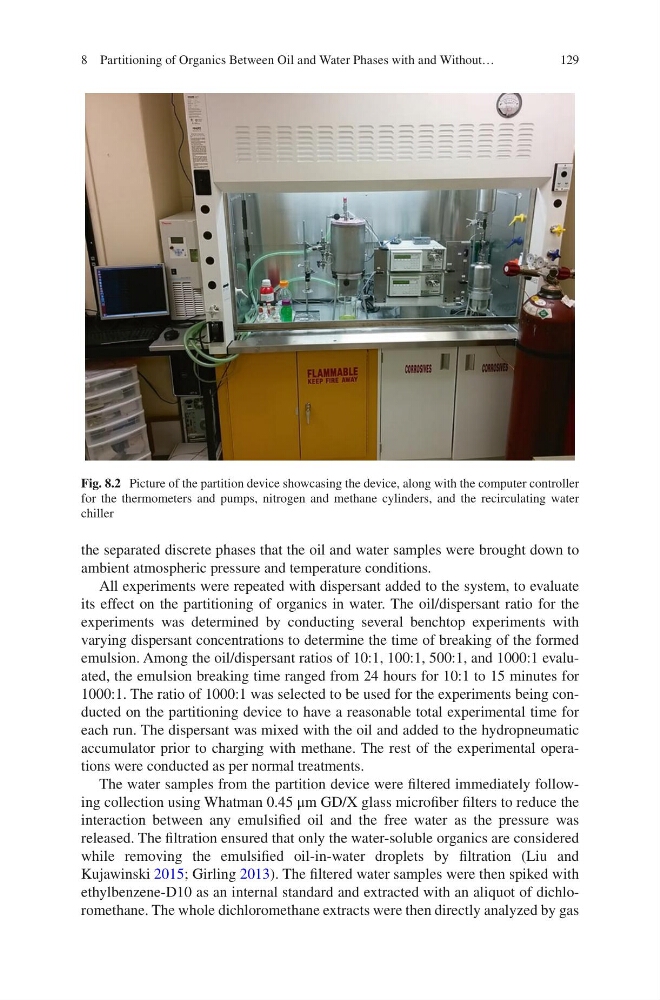
Fig. 8.2 Picture of the partition device showcasing the device, along with the computer controller
for the thermometers and pumps, nitrogen and methane cylinders, and the recirculating water
chiller
8 Partitioning of Organics Between Oil and Water Phases with and Without…
the separated discrete phases that the oil and water samples were brought down to
ambient atmospheric pressure and temperature conditions.
All experiments were repeated with dispersant added to the system, to evaluate
its effect on the partitioning of organics in water. The oil/dispersant ratio for the
experiments was determined by conducting several benchtop experiments with
varying dispersant concentrations to determine the time of breaking of the formed
emulsion. Among the oil/dispersant ratios of 10:1, 100:1, 500:1, and 1000:1 evaluated, the emulsion breaking time ranged from 24 hours for 10:1 to 15 minutes for
1000:1. The ratio of 1000:1 was selected to be used for the experiments being conducted on the partitioning device to have a reasonable total experimental time for
each run. The dispersant was mixed with the oil and added to the hydropneumatic
accumulator prior to charging with methane. The rest of the experimental operations were conducted as per normal treatments.
The water samples from the partition device were filtered immediately following collection using Whatman 0.45 μm GD/X glass microfiber filters to reduce the
interaction between any emulsified oil and the free water as the pressure was
released. The filtration ensured that only the water-soluble organics are considered
while removing the emulsified oil-in-water droplets by filtration (Liu and
Kujawinski 2015; Girling 2013). The filtered water samples were then spiked with
ethylbenzene- D10 as an internal standard and extracted with an aliquot of dichloromethane. The whole dichloromethane extracts were then directly analyzed by gas
Fig. 8.2 Picture of the partition device showcasing the device, along with the computer controller
for the thermometers and pumps, nitrogen and methane cylinders, and the recirculating water
chiller
8 Partitioning of Organics Between Oil and Water Phases with and Without…