

132
5 Engineering Application Cases
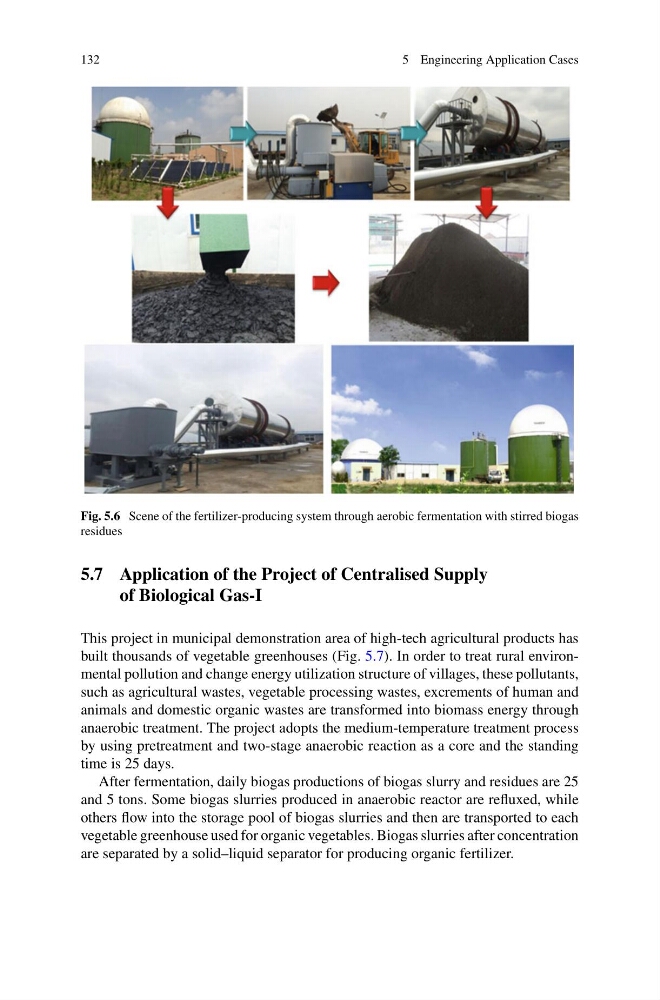
Fig. 5.6 Scene of the fertilizer-producing system through aerobic fermentation with stirred biogas
residues
5.7 Application of the Project of Centralised Supply
of Biological Gas-I
This project in municipal demonstration area of high-tech agricultural products has
built thousands of vegetable greenhouses (Fig. 5.7). In order to treat rural environmental pollution and change energy utilization structure of villages, these pollutants,
such as agricultural wastes, vegetable processing wastes, excrements of human and
animals and domestic organic wastes are transformed into biomass energy through
anaerobic treatment. The project adopts the medium-temperature treatment process
by using pretreatment and two-stage anaerobic reaction as a core and the standing
time is 25 days.
After fermentation, daily biogas productions of biogas slurry and residues are 25
and 5 tons. Some biogas slurries produced in anaerobic reactor are refluxed, while
others flow into the storage pool of biogas slurries and then are transported to each
vegetable greenhouse used for organic vegetables. Biogas slurries after concentration
are separated by a solid–liquid separator for producing organic fertilizer.
5 Engineering Application Cases
Fig. 5.6 Scene of the fertilizer-producing system through aerobic fermentation with stirred biogas
residues
5.7 Application of the Project of Centralised Supply
of Biological Gas-I
This project in municipal demonstration area of high-tech agricultural products has
built thousands of vegetable greenhouses (Fig. 5.7). In order to treat rural environmental pollution and change energy utilization structure of villages, these pollutants,
such as agricultural wastes, vegetable processing wastes, excrements of human and
animals and domestic organic wastes are transformed into biomass energy through
anaerobic treatment. The project adopts the medium-temperature treatment process
by using pretreatment and two-stage anaerobic reaction as a core and the standing
time is 25 days.
After fermentation, daily biogas productions of biogas slurry and residues are 25
and 5 tons. Some biogas slurries produced in anaerobic reactor are refluxed, while
others flow into the storage pool of biogas slurries and then are transported to each
vegetable greenhouse used for organic vegetables. Biogas slurries after concentration
are separated by a solid–liquid separator for producing organic fertilizer.