

354
Z. Ferenczi et al.
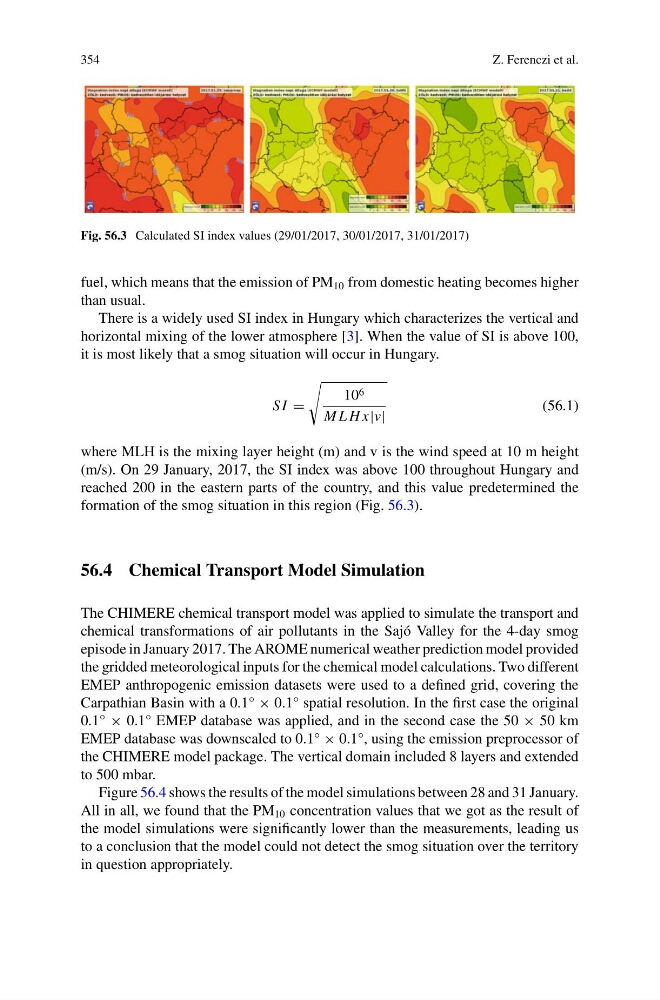
Fig. 56.3 Calculated SI index values (29/01/2017, 30/01/2017, 31/01/2017)
fuel, which means that the emission of PM 10 from domestic heating becomes higher
than usual.
There is a widely used SI index in Hungary which characterizes the vertical and
horizontal mixing of the lower atmosphere [3]. When the value of SI is above 100,
it is most likely that a smog situation will occur in Hungary.
S I =
10 6
M L H x|v|
(56.1)
where MLH is the mixing layer height (m) and v is the wind speed at 10 m height
(m/s). On 29 January, 2017, the SI index was above 100 throughout Hungary and
reached 200 in the eastern parts of the country, and this value predetermined the
formation of the smog situation in this region (Fig. 56.3).
56.4 Chemical Transport Model Simulation
The CHIMERE chemical transport model was applied to simulate the transport and
chemical transformations of air pollutants in the Sajó Valley for the 4-day smog
episode in January 2017. The AROME numerical weather prediction model provided
the gridded meteorological inputs for the chemical model calculations. Two different
EMEP anthropogenic emission datasets were used to a defined grid, covering the
Carpathian Basin with a 0.1° × 0.1° spatial resolution. In the first case the original
0.1° × 0.1° EMEP database was applied, and in the second case the 50 × 50 km
EMEP database was downscaled to 0.1° × 0.1°, using the emission preprocessor of
the CHIMERE model package. The vertical domain included 8 layers and extended
to 500 mbar.
Figure 56.4 shows the results of the model simulations between 28 and 31 January.
All in all, we found that the PM 10 concentration values that we got as the result of
the model simulations were significantly lower than the measurements, leading us
to a conclusion that the model could not detect the smog situation over the territory
in question appropriately.
Z. Ferenczi et al.
Fig. 56.3 Calculated SI index values (29/01/2017, 30/01/2017, 31/01/2017)
fuel, which means that the emission of PM 10 from domestic heating becomes higher
than usual.
There is a widely used SI index in Hungary which characterizes the vertical and
horizontal mixing of the lower atmosphere [3]. When the value of SI is above 100,
it is most likely that a smog situation will occur in Hungary.
S I =
10 6
M L H x|v|
(56.1)
where MLH is the mixing layer height (m) and v is the wind speed at 10 m height
(m/s). On 29 January, 2017, the SI index was above 100 throughout Hungary and
reached 200 in the eastern parts of the country, and this value predetermined the
formation of the smog situation in this region (Fig. 56.3).
56.4 Chemical Transport Model Simulation
The CHIMERE chemical transport model was applied to simulate the transport and
chemical transformations of air pollutants in the Sajó Valley for the 4-day smog
episode in January 2017. The AROME numerical weather prediction model provided
the gridded meteorological inputs for the chemical model calculations. Two different
EMEP anthropogenic emission datasets were used to a defined grid, covering the
Carpathian Basin with a 0.1° × 0.1° spatial resolution. In the first case the original
0.1° × 0.1° EMEP database was applied, and in the second case the 50 × 50 km
EMEP database was downscaled to 0.1° × 0.1°, using the emission preprocessor of
the CHIMERE model package. The vertical domain included 8 layers and extended
to 500 mbar.
Figure 56.4 shows the results of the model simulations between 28 and 31 January.
All in all, we found that the PM 10 concentration values that we got as the result of
the model simulations were significantly lower than the measurements, leading us
to a conclusion that the model could not detect the smog situation over the territory
in question appropriately.