

436
T. S. K. M. Rabie
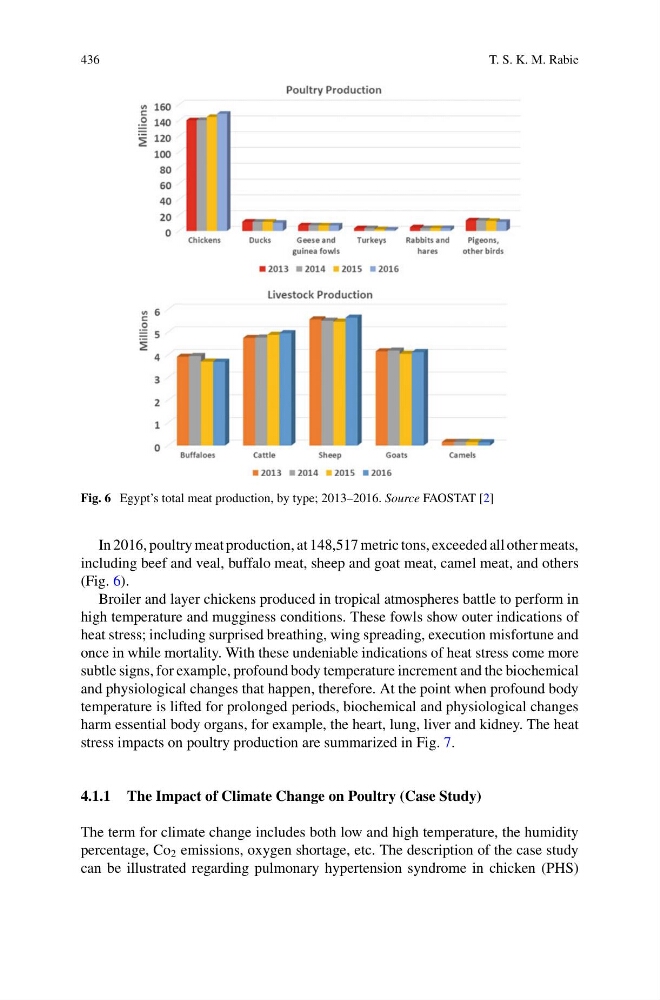
Fig. 6 Egypt’s total meat production, by type; 2013–2016. Source FAOSTAT [2]
In 2016, poultry meat production, at 148,517 metric tons, exceeded all other meats,
including beef and veal, buffalo meat, sheep and goat meat, camel meat, and others
(Fig. 6).
Broiler and layer chickens produced in tropical atmospheres battle to perform in
high temperature and mugginess conditions. These fowls show outer indications of
heat stress; including surprised breathing, wing spreading, execution misfortune and
once in while mortality. With these undeniable indications of heat stress come more
subtle signs, for example, profound body temperature increment and the biochemical
and physiological changes that happen, therefore. At the point when profound body
temperature is lifted for prolonged periods, biochemical and physiological changes
harm essential body organs, for example, the heart, lung, liver and kidney. The heat
stress impacts on poultry production are summarized in Fig. 7.
4.1.1 The Impact of Climate Change on Poultry (Case Study)
The term for climate change includes both low and high temperature, the humidity
percentage, Co 2 emissions, oxygen shortage, etc. The description of the case study
can be illustrated regarding pulmonary hypertension syndrome in chicken (PHS)
T. S. K. M. Rabie
Fig. 6 Egypt’s total meat production, by type; 2013–2016. Source FAOSTAT [2]
In 2016, poultry meat production, at 148,517 metric tons, exceeded all other meats,
including beef and veal, buffalo meat, sheep and goat meat, camel meat, and others
(Fig. 6).
Broiler and layer chickens produced in tropical atmospheres battle to perform in
high temperature and mugginess conditions. These fowls show outer indications of
heat stress; including surprised breathing, wing spreading, execution misfortune and
once in while mortality. With these undeniable indications of heat stress come more
subtle signs, for example, profound body temperature increment and the biochemical
and physiological changes that happen, therefore. At the point when profound body
temperature is lifted for prolonged periods, biochemical and physiological changes
harm essential body organs, for example, the heart, lung, liver and kidney. The heat
stress impacts on poultry production are summarized in Fig. 7.
4.1.1 The Impact of Climate Change on Poultry (Case Study)
The term for climate change includes both low and high temperature, the humidity
percentage, Co 2 emissions, oxygen shortage, etc. The description of the case study
can be illustrated regarding pulmonary hypertension syndrome in chicken (PHS)