

Potential Climate Change Impacts on Livestock and Food Security …
437
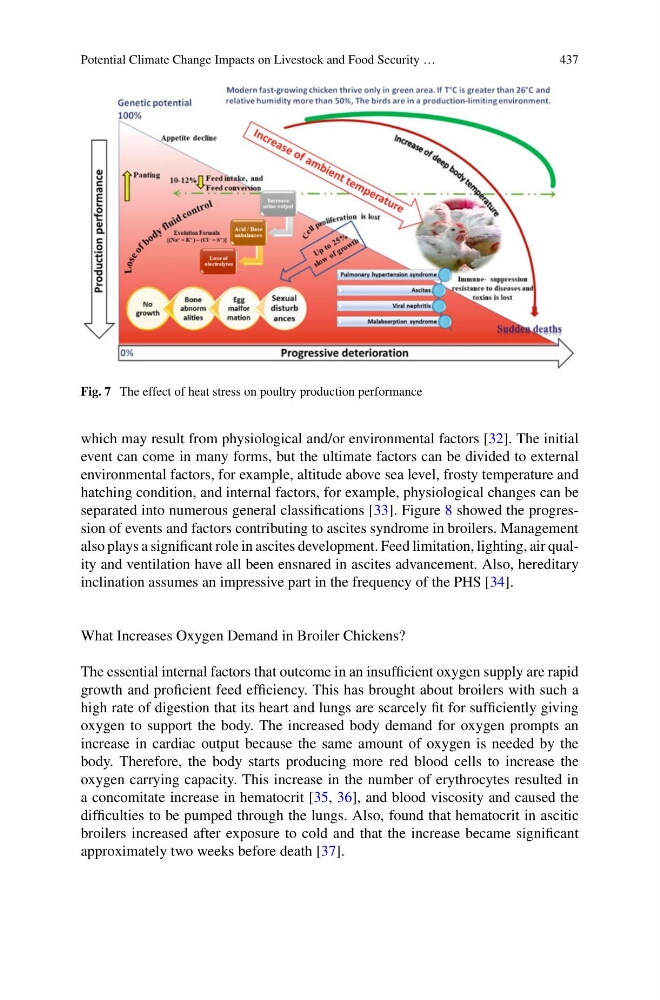
Fig. 7 The effect of heat stress on poultry production performance
which may result from physiological and/or environmental factors [32]. The initial
event can come in many forms, but the ultimate factors can be divided to external
environmental factors, for example, altitude above sea level, frosty temperature and
hatching condition, and internal factors, for example, physiological changes can be
separated into numerous general classifications [33]. Figure 8 showed the progression of events and factors contributing to ascites syndrome in broilers. Management
also plays a significant role in ascites development. Feed limitation, lighting, air quality and ventilation have all been ensnared in ascites advancement. Also, hereditary
inclination assumes an impressive part in the frequency of the PHS [34].
What Increases Oxygen Demand in Broiler Chickens?
The essential internal factors that outcome in an insufficient oxygen supply are rapid
growth and proficient feed efficiency. This has brought about broilers with such a
high rate of digestion that its heart and lungs are scarcely fit for sufficiently giving
oxygen to support the body. The increased body demand for oxygen prompts an
increase in cardiac output because the same amount of oxygen is needed by the
body. Therefore, the body starts producing more red blood cells to increase the
oxygen carrying capacity. This increase in the number of erythrocytes resulted in
a concomitate increase in hematocrit [35, 36], and blood viscosity and caused the
difficulties to be pumped through the lungs. Also, found that hematocrit in ascitic
broilers increased after exposure to cold and that the increase became significant
approximately two weeks before death [37].
437
Fig. 7 The effect of heat stress on poultry production performance
which may result from physiological and/or environmental factors [32]. The initial
event can come in many forms, but the ultimate factors can be divided to external
environmental factors, for example, altitude above sea level, frosty temperature and
hatching condition, and internal factors, for example, physiological changes can be
separated into numerous general classifications [33]. Figure 8 showed the progression of events and factors contributing to ascites syndrome in broilers. Management
also plays a significant role in ascites development. Feed limitation, lighting, air quality and ventilation have all been ensnared in ascites advancement. Also, hereditary
inclination assumes an impressive part in the frequency of the PHS [34].
What Increases Oxygen Demand in Broiler Chickens?
The essential internal factors that outcome in an insufficient oxygen supply are rapid
growth and proficient feed efficiency. This has brought about broilers with such a
high rate of digestion that its heart and lungs are scarcely fit for sufficiently giving
oxygen to support the body. The increased body demand for oxygen prompts an
increase in cardiac output because the same amount of oxygen is needed by the
body. Therefore, the body starts producing more red blood cells to increase the
oxygen carrying capacity. This increase in the number of erythrocytes resulted in
a concomitate increase in hematocrit [35, 36], and blood viscosity and caused the
difficulties to be pumped through the lungs. Also, found that hematocrit in ascitic
broilers increased after exposure to cold and that the increase became significant
approximately two weeks before death [37].