

2.1 Biosorption of HM Ions Using Algae
Biosorption process involves sorption of material in contact via biopolymer or
biomaterial. It is found effective in detoxifying heavy metals in lower concentration
even with less biomass supplementation with no additional nutrient requirement.
Presence of organic ligands or the functional groups (carboxyl, hydroxyl, sulfate,
phosphate, and amine group) in structural components of algal cell makes it as a
potential biosorbent.
Moreover, studies have shown that inactive biomass may be even more effective
than active (living) algal cell for removal of heavy metals (Gautam et al. 2015).
Active algal biomass-based heavy metal removal is based on the efficacy of algal
growth in heavy metal containing aqueous solution, which may pose toxic effects to
the algal cells resulting in variation in heavy metal removal capacity. Heavy metal
uptake by active algal biomass is more complicated than the inactive biomass as
metals are absorbed and involved in intracellular pathway of living algal cells
(Misbah et al. 2014). In contrast, PAB cells adsorb HM ion on the surface of the
cell wall. PAB can be observed as an aggregation of polymers (carbohydrates,
cellulose, pectin, glycoprotein, etc.) that is capable of binding with HMs as adsorbents with the efficient and cost-effective wastewater treatment.
2.2 Cellular Sites Involved in HM Binding
HM ions bind to the AAB and PAB cell surface and are also transported within the
cell, whereas the adsorptions process does not depend on metabolic process, requiring several metal transporters (Barakat 2011). Several AAB have metal efflux
metabolism-driven systems for maintaining the HM concentration in intracellular
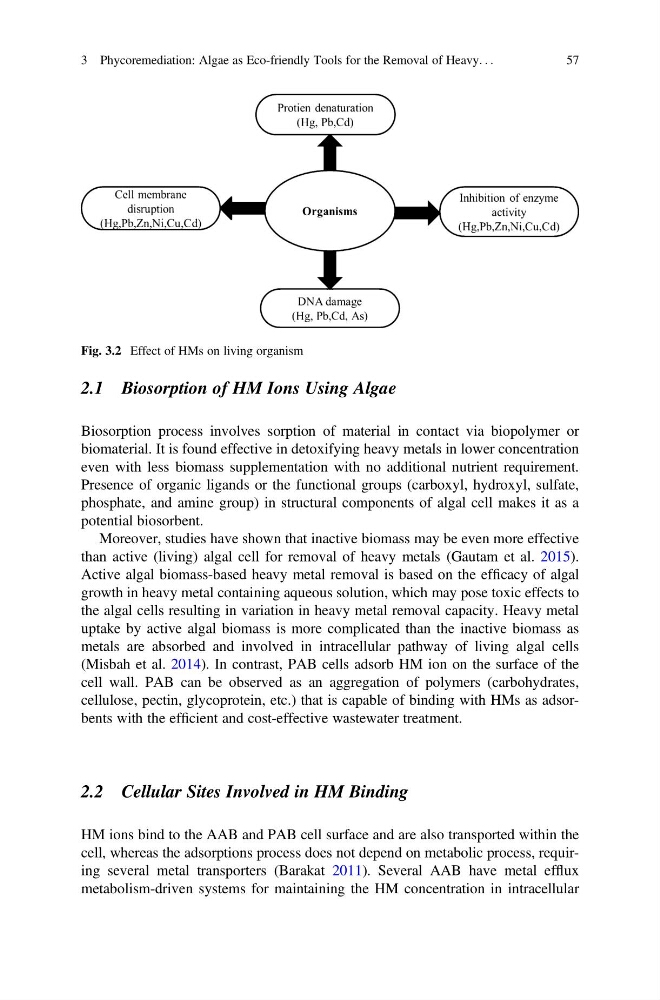
Fig. 3.2 Effect of HMs on living organism
3 Phycoremediation: Algae as Eco-friendly Tools for the Removal of Heavy. . .
57
Biosorption process involves sorption of material in contact via biopolymer or
biomaterial. It is found effective in detoxifying heavy metals in lower concentration
even with less biomass supplementation with no additional nutrient requirement.
Presence of organic ligands or the functional groups (carboxyl, hydroxyl, sulfate,
phosphate, and amine group) in structural components of algal cell makes it as a
potential biosorbent.
Moreover, studies have shown that inactive biomass may be even more effective
than active (living) algal cell for removal of heavy metals (Gautam et al. 2015).
Active algal biomass-based heavy metal removal is based on the efficacy of algal
growth in heavy metal containing aqueous solution, which may pose toxic effects to
the algal cells resulting in variation in heavy metal removal capacity. Heavy metal
uptake by active algal biomass is more complicated than the inactive biomass as
metals are absorbed and involved in intracellular pathway of living algal cells
(Misbah et al. 2014). In contrast, PAB cells adsorb HM ion on the surface of the
cell wall. PAB can be observed as an aggregation of polymers (carbohydrates,
cellulose, pectin, glycoprotein, etc.) that is capable of binding with HMs as adsorbents with the efficient and cost-effective wastewater treatment.
2.2 Cellular Sites Involved in HM Binding
HM ions bind to the AAB and PAB cell surface and are also transported within the
cell, whereas the adsorptions process does not depend on metabolic process, requiring several metal transporters (Barakat 2011). Several AAB have metal efflux
metabolism-driven systems for maintaining the HM concentration in intracellular
Fig. 3.2 Effect of HMs on living organism
3 Phycoremediation: Algae as Eco-friendly Tools for the Removal of Heavy. . .
57