

disposal and release of industrial and domestic wastewater in aquatic ecosystem,
with even trace concentration, threatens the aquatic flora and fauna. Even trace
concentrations of heavy metal pose significant problems to flora and fauna given
in Table 3.1. Heavy metals don’t participate in the metabolism of the body, but it is
accumulated through different mechanisms which include bioaccumulation,
bioconcentration, and biomagnifications illustrated in Fig. 3.2. Organisms exposed
in heavy metals tend to have protective mechanism against heavy metal toxicity. The
HM concentration beyond a threshold limit causes direct toxicity to the aquatic flora
and fauna.
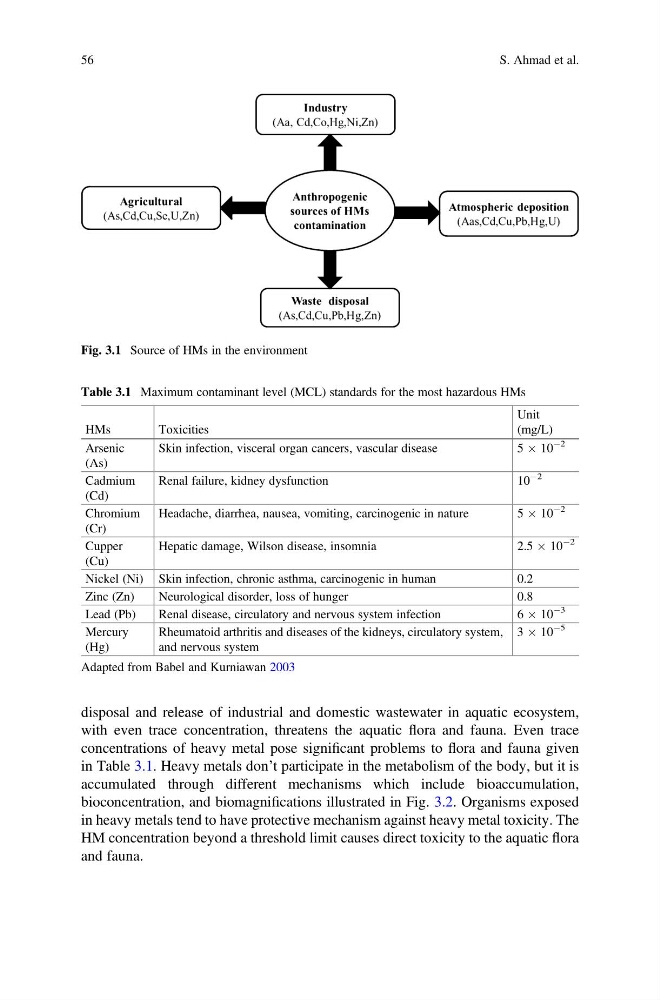
Fig. 3.1 Source of HMs in the environment
Table 3.1 Maximum contaminant level (MCL) standards for the most hazardous HMs
HMs
Toxicities
Unit
(mg/L)
Arsenic
(As)
Skin infection, visceral organ cancers, vascular disease
5 Â 10
À2
Cadmium
(Cd)
Renal failure, kidney dysfunction
10
À2
Chromium
(Cr)
Headache, diarrhea, nausea, vomiting, carcinogenic in nature
5 Â 10
À2
Cupper
(Cu)
Hepatic damage, Wilson disease, insomnia
2.5 Â 10
À2
Nickel (Ni) Skin infection, chronic asthma, carcinogenic in human
0.2
Zinc (Zn)
Neurological disorder, loss of hunger
0.8
Lead (Pb)
Renal disease, circulatory and nervous system infection
6 Â 10
À3
Mercury
(Hg)
Rheumatoid arthritis and diseases of the kidneys, circulatory system,
and nervous system
3 Â 10
À5
Adapted from Babel and Kurniawan 2003
56
S. Ahmad et al.
with even trace concentration, threatens the aquatic flora and fauna. Even trace
concentrations of heavy metal pose significant problems to flora and fauna given
in Table 3.1. Heavy metals don’t participate in the metabolism of the body, but it is
accumulated through different mechanisms which include bioaccumulation,
bioconcentration, and biomagnifications illustrated in Fig. 3.2. Organisms exposed
in heavy metals tend to have protective mechanism against heavy metal toxicity. The
HM concentration beyond a threshold limit causes direct toxicity to the aquatic flora
and fauna.
Fig. 3.1 Source of HMs in the environment
Table 3.1 Maximum contaminant level (MCL) standards for the most hazardous HMs
HMs
Toxicities
Unit
(mg/L)
Arsenic
(As)
Skin infection, visceral organ cancers, vascular disease
5 Â 10
À2
Cadmium
(Cd)
Renal failure, kidney dysfunction
10
À2
Chromium
(Cr)
Headache, diarrhea, nausea, vomiting, carcinogenic in nature
5 Â 10
À2
Cupper
(Cu)
Hepatic damage, Wilson disease, insomnia
2.5 Â 10
À2
Nickel (Ni) Skin infection, chronic asthma, carcinogenic in human
0.2
Zinc (Zn)
Neurological disorder, loss of hunger
0.8
Lead (Pb)
Renal disease, circulatory and nervous system infection
6 Â 10
À3
Mercury
(Hg)
Rheumatoid arthritis and diseases of the kidneys, circulatory system,
and nervous system
3 Â 10
À5
Adapted from Babel and Kurniawan 2003
56
S. Ahmad et al.