

salts and reduced the effect of salt on plants in agricultural, urban, and contaminated
soils (Thomas et al. 2013; Singh et al. 2017c). Applications of biochar to soil have
increased the accessibility of P and Zn and the total N concentrations in amended soil
(Glaser et al. 2002; Lehmann et al. 2003). Biochar additions can increase crop yields
without the use of synthetic fertilizers (Blackwell et al. 2010). Additionally, biochar
can minimize the effect of soil erosion and nutrient leaching due to the strongly
binding pattern to soil particles.
4 Biochar and Soil Interaction
It is well known that biochar addition in soil can bind the soil particles and plant
roots in which the interactions between them increase the phytoremediation as well
as bioremediation. Biochar might play a significant role in in situ bioremediation of
contaminated soil due to utmost binding properties to soil particles and longtime
survival nature in soil; therefore, the process of bioremediation can occur by both
biochar and microbial community which is present inside the biochar (inside porous
region) (Singh 2011; Singh and Pandey 2013). Hence, biochar can be a better option
to remediate soil contamination from affected land area due to various human
Bioremediation of
soil pollutants
Reduced methane
emission
Reduced nutrients
leaching
Increased Soil
Microbial biomass
Reduced N 2 O
emission
Improved soil
fertility
Increased soil
Carbon
Increased water
holding capacity
Biochar
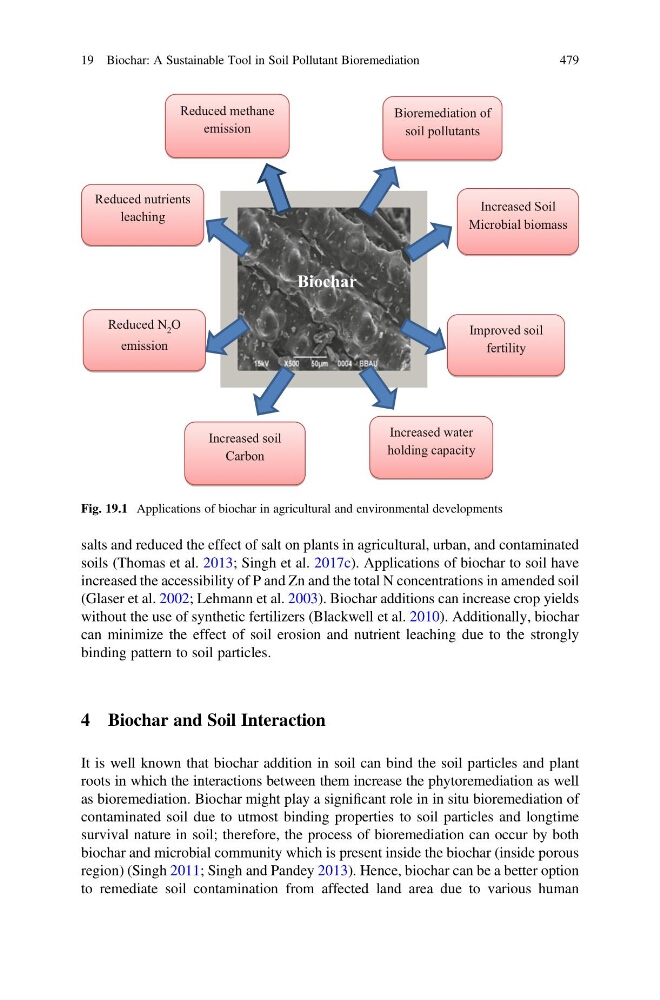
Fig. 19.1 Applications of biochar in agricultural and environmental developments
19 Biochar: A Sustainable Tool in Soil Pollutant Bioremediation
479
soils (Thomas et al. 2013; Singh et al. 2017c). Applications of biochar to soil have
increased the accessibility of P and Zn and the total N concentrations in amended soil
(Glaser et al. 2002; Lehmann et al. 2003). Biochar additions can increase crop yields
without the use of synthetic fertilizers (Blackwell et al. 2010). Additionally, biochar
can minimize the effect of soil erosion and nutrient leaching due to the strongly
binding pattern to soil particles.
4 Biochar and Soil Interaction
It is well known that biochar addition in soil can bind the soil particles and plant
roots in which the interactions between them increase the phytoremediation as well
as bioremediation. Biochar might play a significant role in in situ bioremediation of
contaminated soil due to utmost binding properties to soil particles and longtime
survival nature in soil; therefore, the process of bioremediation can occur by both
biochar and microbial community which is present inside the biochar (inside porous
region) (Singh 2011; Singh and Pandey 2013). Hence, biochar can be a better option
to remediate soil contamination from affected land area due to various human
Bioremediation of
soil pollutants
Reduced methane
emission
Reduced nutrients
leaching
Increased Soil
Microbial biomass
Reduced N 2 O
emission
Improved soil
fertility
Increased soil
Carbon
Increased water
holding capacity
Biochar
Fig. 19.1 Applications of biochar in agricultural and environmental developments
19 Biochar: A Sustainable Tool in Soil Pollutant Bioremediation
479