

410
B. Abirami and P. Kumar
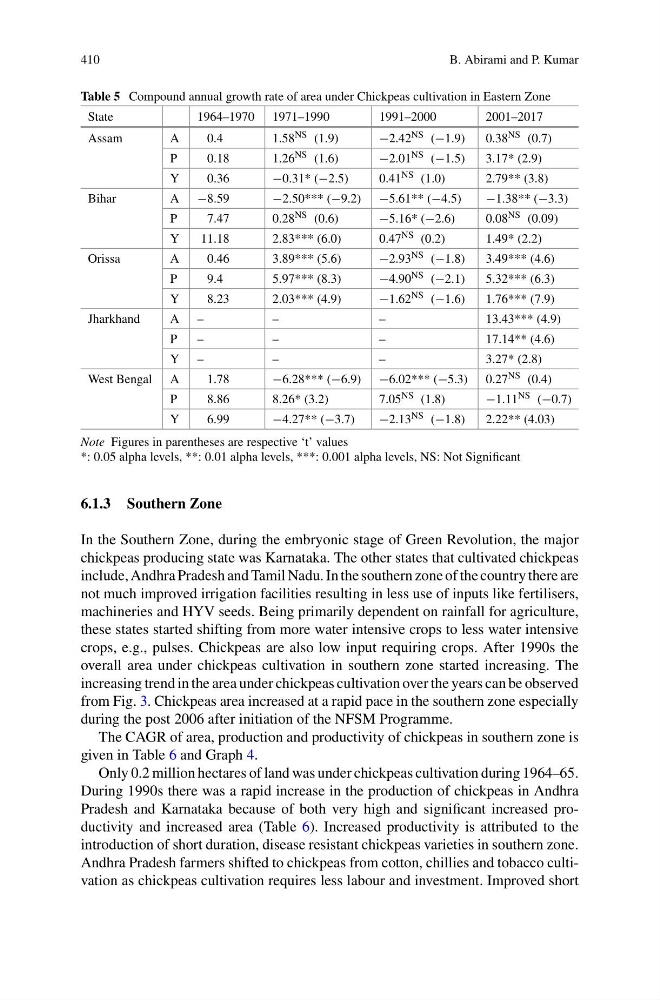
Table 5 Compound annual growth rate of area under Chickpeas cultivation in Eastern Zone
State
1964–1970 1971–1990
1991–2000
2001–2017
Assam
A
0.4
1.58 NS (1.9)
−2.42 NS (−1.9)
0.38 NS (0.7)
P
0.18
1.26 NS (1.6)
−2.01 NS (−1.5)
3.17* (2.9)
Y
0.36
−0.31* (−2.5)
0.41 NS (1.0)
2.79** (3.8)
Bihar
A −8.59
−2.50*** (−9.2) −5.61** (−4.5)
−1.38** (−3.3)
P
7.47
0.28 NS (0.6)
−5.16* (−2.6)
0.08 NS (0.09)
Y
11.18
2.83*** (6.0)
0.47 NS (0.2)
1.49* (2.2)
Orissa
A
0.46
3.89*** (5.6)
−2.93 NS (−1.8)
3.49*** (4.6)
P
9.4
5.97*** (8.3)
−4.90 NS (−2.1)
5.32*** (6.3)
Y
8.23
2.03*** (4.9)
−1.62 NS (−1.6)
1.76*** (7.9)
Jharkhand
A –
–
–
13.43*** (4.9)
P
–
–
–
17.14** (4.6)
Y –
–
–
3.27* (2.8)
West Bengal A
1.78
−6.28*** (−6.9) −6.02*** (−5.3) 0.27 NS (0.4)
P
8.86
8.26* (3.2)
7.05 NS (1.8)
−1.11 NS (−0.7)
Y
6.99
−4.27** (−3.7)
−2.13 NS (−1.8)
2.22** (4.03)
Note Figures in parentheses are respective ‘t’ values
*: 0.05 alpha levels, **: 0.01 alpha levels, ***: 0.001 alpha levels, NS: Not Significant
6.1.3 Southern Zone
In the Southern Zone, during the embryonic stage of Green Revolution, the major
chickpeas producing state was Karnataka. The other states that cultivated chickpeas
include, Andhra Pradesh and Tamil Nadu. In the southern zone of the country there are
not much improved irrigation facilities resulting in less use of inputs like fertilisers,
machineries and HYV seeds. Being primarily dependent on rainfall for agriculture,
these states started shifting from more water intensive crops to less water intensive
crops, e.g., pulses. Chickpeas are also low input requiring crops. After 1990s the
overall area under chickpeas cultivation in southern zone started increasing. The
increasing trend in the area under chickpeas cultivation over the years can be observed
from Fig. 3. Chickpeas area increased at a rapid pace in the southern zone especially
during the post 2006 after initiation of the NFSM Programme.
The CAGR of area, production and productivity of chickpeas in southern zone is
given in Table 6 and Graph 4.
Only 0.2 million hectares of land was under chickpeas cultivation during 1964–65.
During 1990s there was a rapid increase in the production of chickpeas in Andhra
Pradesh and Karnataka because of both very high and significant increased productivity and increased area (Table 6). Increased productivity is attributed to the
introduction of short duration, disease resistant chickpeas varieties in southern zone.
Andhra Pradesh farmers shifted to chickpeas from cotton, chillies and tobacco cultivation as chickpeas cultivation requires less labour and investment. Improved short
B. Abirami and P. Kumar
Table 5 Compound annual growth rate of area under Chickpeas cultivation in Eastern Zone
State
1964–1970 1971–1990
1991–2000
2001–2017
Assam
A
0.4
1.58 NS (1.9)
−2.42 NS (−1.9)
0.38 NS (0.7)
P
0.18
1.26 NS (1.6)
−2.01 NS (−1.5)
3.17* (2.9)
Y
0.36
−0.31* (−2.5)
0.41 NS (1.0)
2.79** (3.8)
Bihar
A −8.59
−2.50*** (−9.2) −5.61** (−4.5)
−1.38** (−3.3)
P
7.47
0.28 NS (0.6)
−5.16* (−2.6)
0.08 NS (0.09)
Y
11.18
2.83*** (6.0)
0.47 NS (0.2)
1.49* (2.2)
Orissa
A
0.46
3.89*** (5.6)
−2.93 NS (−1.8)
3.49*** (4.6)
P
9.4
5.97*** (8.3)
−4.90 NS (−2.1)
5.32*** (6.3)
Y
8.23
2.03*** (4.9)
−1.62 NS (−1.6)
1.76*** (7.9)
Jharkhand
A –
–
–
13.43*** (4.9)
P
–
–
–
17.14** (4.6)
Y –
–
–
3.27* (2.8)
West Bengal A
1.78
−6.28*** (−6.9) −6.02*** (−5.3) 0.27 NS (0.4)
P
8.86
8.26* (3.2)
7.05 NS (1.8)
−1.11 NS (−0.7)
Y
6.99
−4.27** (−3.7)
−2.13 NS (−1.8)
2.22** (4.03)
Note Figures in parentheses are respective ‘t’ values
*: 0.05 alpha levels, **: 0.01 alpha levels, ***: 0.001 alpha levels, NS: Not Significant
6.1.3 Southern Zone
In the Southern Zone, during the embryonic stage of Green Revolution, the major
chickpeas producing state was Karnataka. The other states that cultivated chickpeas
include, Andhra Pradesh and Tamil Nadu. In the southern zone of the country there are
not much improved irrigation facilities resulting in less use of inputs like fertilisers,
machineries and HYV seeds. Being primarily dependent on rainfall for agriculture,
these states started shifting from more water intensive crops to less water intensive
crops, e.g., pulses. Chickpeas are also low input requiring crops. After 1990s the
overall area under chickpeas cultivation in southern zone started increasing. The
increasing trend in the area under chickpeas cultivation over the years can be observed
from Fig. 3. Chickpeas area increased at a rapid pace in the southern zone especially
during the post 2006 after initiation of the NFSM Programme.
The CAGR of area, production and productivity of chickpeas in southern zone is
given in Table 6 and Graph 4.
Only 0.2 million hectares of land was under chickpeas cultivation during 1964–65.
During 1990s there was a rapid increase in the production of chickpeas in Andhra
Pradesh and Karnataka because of both very high and significant increased productivity and increased area (Table 6). Increased productivity is attributed to the
introduction of short duration, disease resistant chickpeas varieties in southern zone.
Andhra Pradesh farmers shifted to chickpeas from cotton, chillies and tobacco cultivation as chickpeas cultivation requires less labour and investment. Improved short