

178
M. V. Mansaram et al.
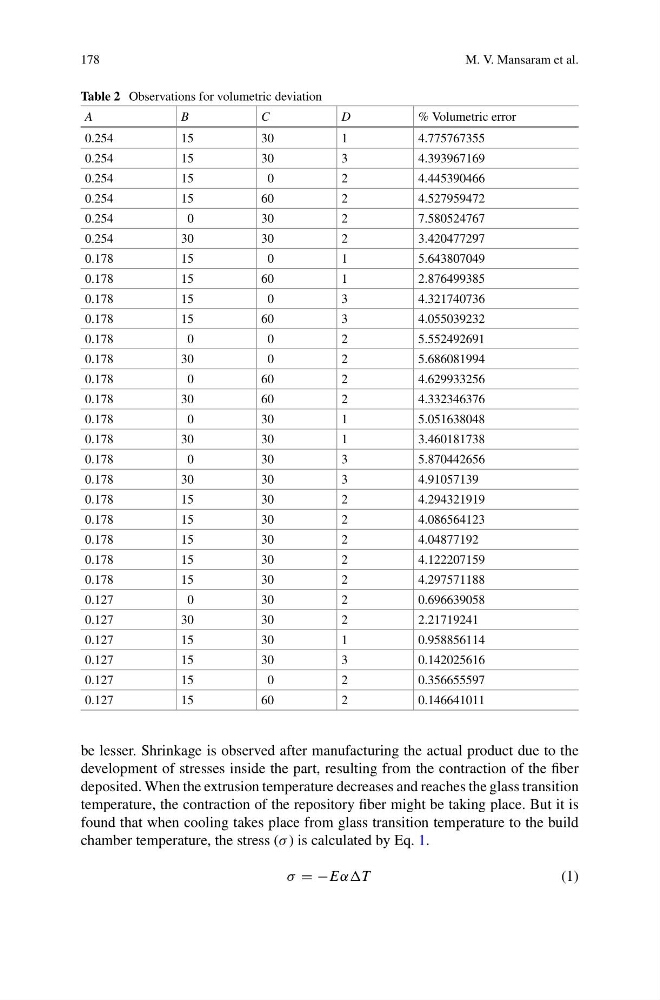
Table 2 Observations for volumetric deviation
A
B
C
D
% Volumetric error
0.254
15
30
1
4.775767355
0.254
15
30
3
4.393967169
0.254
15
0
2
4.445390466
0.254
15
60
2
4.527959472
0.254
0
30
2
7.580524767
0.254
30
30
2
3.420477297
0.178
15
0
1
5.643807049
0.178
15
60
1
2.876499385
0.178
15
0
3
4.321740736
0.178
15
60
3
4.055039232
0.178
0
0
2
5.552492691
0.178
30
0
2
5.686081994
0.178
0
60
2
4.629933256
0.178
30
60
2
4.332346376
0.178
0
30
1
5.051638048
0.178
30
30
1
3.460181738
0.178
0
30
3
5.870442656
0.178
30
30
3
4.91057139
0.178
15
30
2
4.294321919
0.178
15
30
2
4.086564123
0.178
15
30
2
4.04877192
0.178
15
30
2
4.122207159
0.178
15
30
2
4.297571188
0.127
0
30
2
0.696639058
0.127
30
30
2
2.21719241
0.127
15
30
1
0.958856114
0.127
15
30
3
0.142025616
0.127
15
0
2
0.356655597
0.127
15
60
2
0.146641011
be lesser. Shrinkage is observed after manufacturing the actual product due to the
development of stresses inside the part, resulting from the contraction of the fiber
deposited. When the extrusion temperature decreases and reaches the glass transition
temperature, the contraction of the repository fiber might be taking place. But it is
found that when cooling takes place from glass transition temperature to the build
chamber temperature, the stress (σ ) is calculated by Eq. 1.
σ = −EααT
(1)
M. V. Mansaram et al.
Table 2 Observations for volumetric deviation
A
B
C
D
% Volumetric error
0.254
15
30
1
4.775767355
0.254
15
30
3
4.393967169
0.254
15
0
2
4.445390466
0.254
15
60
2
4.527959472
0.254
0
30
2
7.580524767
0.254
30
30
2
3.420477297
0.178
15
0
1
5.643807049
0.178
15
60
1
2.876499385
0.178
15
0
3
4.321740736
0.178
15
60
3
4.055039232
0.178
0
0
2
5.552492691
0.178
30
0
2
5.686081994
0.178
0
60
2
4.629933256
0.178
30
60
2
4.332346376
0.178
0
30
1
5.051638048
0.178
30
30
1
3.460181738
0.178
0
30
3
5.870442656
0.178
30
30
3
4.91057139
0.178
15
30
2
4.294321919
0.178
15
30
2
4.086564123
0.178
15
30
2
4.04877192
0.178
15
30
2
4.122207159
0.178
15
30
2
4.297571188
0.127
0
30
2
0.696639058
0.127
30
30
2
2.21719241
0.127
15
30
1
0.958856114
0.127
15
30
3
0.142025616
0.127
15
0
2
0.356655597
0.127
15
60
2
0.146641011
be lesser. Shrinkage is observed after manufacturing the actual product due to the
development of stresses inside the part, resulting from the contraction of the fiber
deposited. When the extrusion temperature decreases and reaches the glass transition
temperature, the contraction of the repository fiber might be taking place. But it is
found that when cooling takes place from glass transition temperature to the build
chamber temperature, the stress (σ ) is calculated by Eq. 1.
σ = −EααT
(1)