

That is,
W Carnot engine ¼ Q A ÀQ B :
The “entropy” flow balance in Fig. 4.5b is
Q
Ã
A ¼ Q
Ã
B þ Q
Ã
Work
À
Á
Carnot engine
¼ Q
Ã
B
where
ðQ
Ã
Work Þ Carnot engine ¼ 0
since work is not associated with entropy flow.
Figures 4.5a and 4.5b and their interpretation are consistent with the MEH,
Eq. (24A), that work results from the consumption of heat and the corollary of
Carnot’s principle, Eq. (49), that work results from the transfer of heat,
respectively.
Note Q’s in Eqs. (46) and (55)
Q A
T A
¼
Q B
T B
¼ Q
Ã
ð
Þ
are all positive terms. By adopting, instead, the sign convention of positive Q for
heat received by the engine or the system and negative Q for heat rejected by the
engine or the system, the equation takes the form
Q A
T A
¼
ÀQ B
T B
¼ Q
Ã
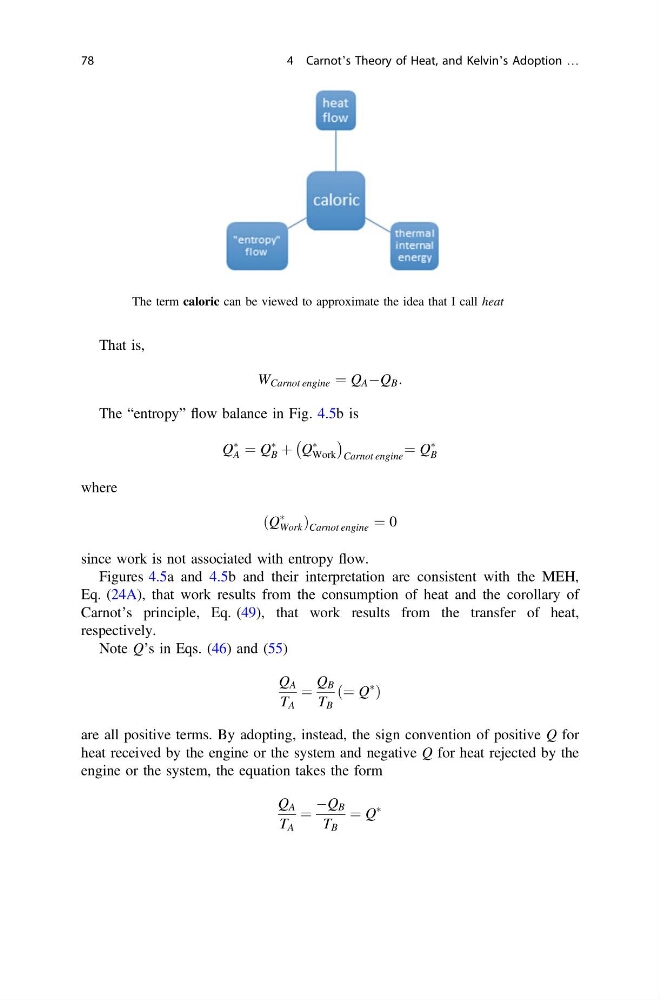
Fig. 4.6 The term caloric can be viewed to approximate the idea that I call heat
78
4 Carnot’s Theory of Heat, and Kelvin’s Adoption …
W Carnot engine ¼ Q A ÀQ B :
The “entropy” flow balance in Fig. 4.5b is
Q
Ã
A ¼ Q
Ã
B þ Q
Ã
Work
À
Á
Carnot engine
¼ Q
Ã
B
where
ðQ
Ã
Work Þ Carnot engine ¼ 0
since work is not associated with entropy flow.
Figures 4.5a and 4.5b and their interpretation are consistent with the MEH,
Eq. (24A), that work results from the consumption of heat and the corollary of
Carnot’s principle, Eq. (49), that work results from the transfer of heat,
respectively.
Note Q’s in Eqs. (46) and (55)
Q A
T A
¼
Q B
T B
¼ Q
Ã
ð
Þ
are all positive terms. By adopting, instead, the sign convention of positive Q for
heat received by the engine or the system and negative Q for heat rejected by the
engine or the system, the equation takes the form
Q A
T A
¼
ÀQ B
T B
¼ Q
Ã
Fig. 4.6 The term caloric can be viewed to approximate the idea that I call heat
78
4 Carnot’s Theory of Heat, and Kelvin’s Adoption …