

568
P. Liu
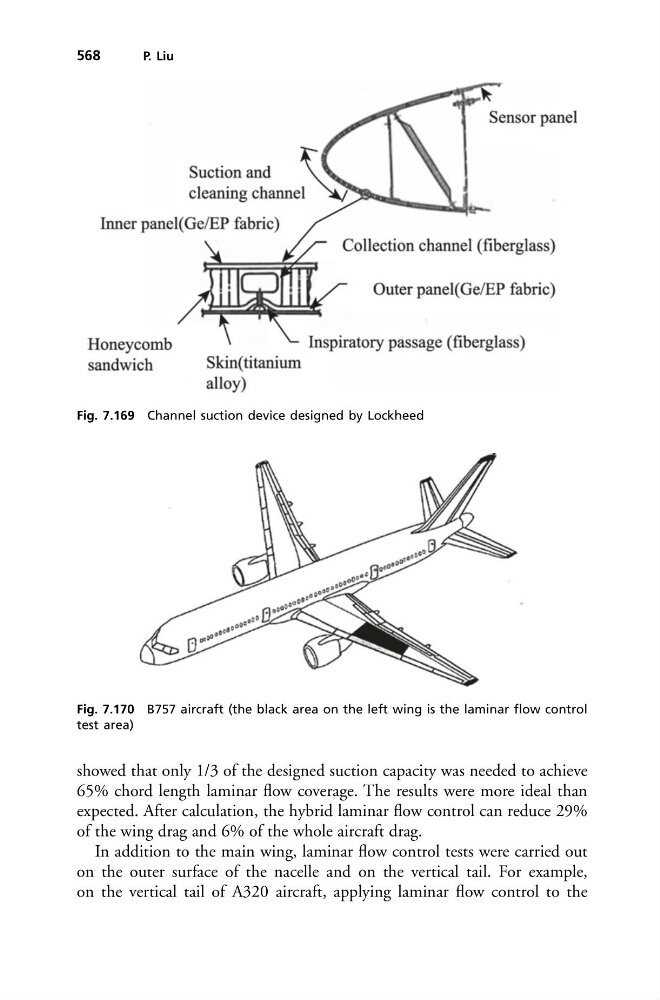
Fig. 7.169 Channel suction device designed by Lockheed
Fig. 7.170 B757 aircraft (the black area on the left wing is the laminar flow control
test area)
showed that only 1/3 of the designed suction capacity was needed to achieve
65% chord length laminar flow coverage. The results were more ideal than
expected. After calculation, the hybrid laminar flow control can reduce 29%
of the wing drag and 6% of the whole aircraft drag.
In addition to the main wing, laminar flow control tests were carried out
on the outer surface of the nacelle and on the vertical tail. For example,
on the vertical tail of A320 aircraft, applying laminar flow control to the
P. Liu
Fig. 7.169 Channel suction device designed by Lockheed
Fig. 7.170 B757 aircraft (the black area on the left wing is the laminar flow control
test area)
showed that only 1/3 of the designed suction capacity was needed to achieve
65% chord length laminar flow coverage. The results were more ideal than
expected. After calculation, the hybrid laminar flow control can reduce 29%
of the wing drag and 6% of the whole aircraft drag.
In addition to the main wing, laminar flow control tests were carried out
on the outer surface of the nacelle and on the vertical tail. For example,
on the vertical tail of A320 aircraft, applying laminar flow control to the