

564
P. Liu
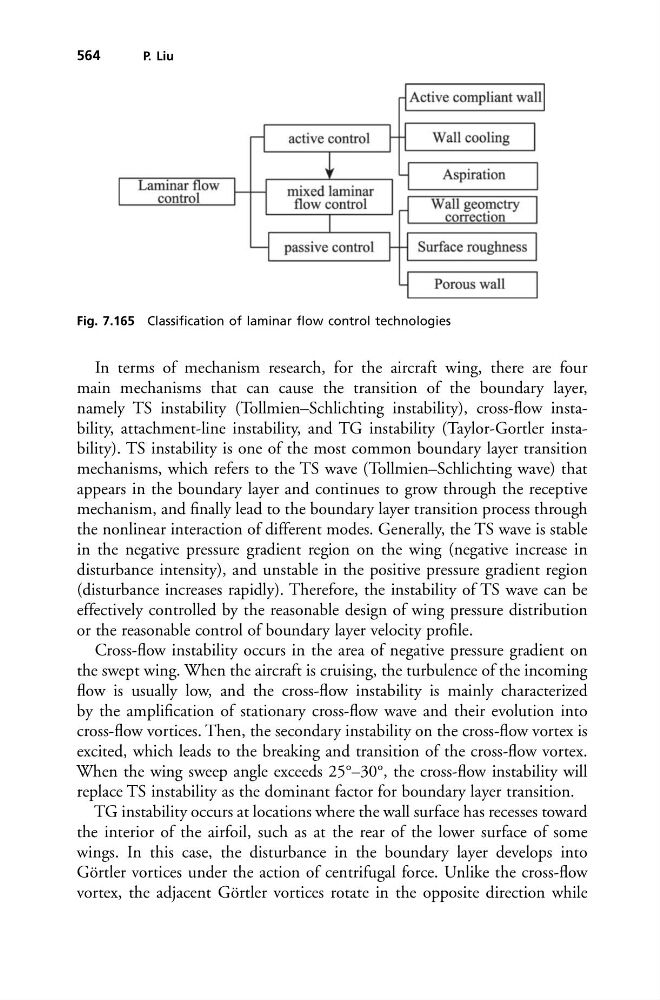
Fig. 7.165 Classification of laminar flow control technologies
In terms of mechanism research, for the aircraft wing, there are four
main mechanisms that can cause the transition of the boundary layer,
namely TS instability (Tollmien–Schlichting instability), cross-flow instability, attachment-line instability, and TG instability (Taylor-Gortler instability). TS instability is one of the most common boundary layer transition
mechanisms, which refers to the TS wave (Tollmien–Schlichting wave) that
appears in the boundary layer and continues to grow through the receptive
mechanism, and finally lead to the boundary layer transition process through
the nonlinear interaction of different modes. Generally, the TS wave is stable
in the negative pressure gradient region on the wing (negative increase in
disturbance intensity), and unstable in the positive pressure gradient region
(disturbance increases rapidly). Therefore, the instability of TS wave can be
effectively controlled by the reasonable design of wing pressure distribution
or the reasonable control of boundary layer velocity profile.
Cross-flow instability occurs in the area of negative pressure gradient on
the swept wing. When the aircraft is cruising, the turbulence of the incoming
flow is usually low, and the cross-flow instability is mainly characterized
by the amplification of stationary cross-flow wave and their evolution into
cross-flow vortices. Then, the secondary instability on the cross-flow vortex is
excited, which leads to the breaking and transition of the cross-flow vortex.
When the wing sweep angle exceeds 25°–30°, the cross-flow instability will
replace TS instability as the dominant factor for boundary layer transition.
TG instability occurs at locations where the wall surface has recesses toward
the interior of the airfoil, such as at the rear of the lower surface of some
wings. In this case, the disturbance in the boundary layer develops into
Görtler vortices under the action of centrifugal force. Unlike the cross-flow
vortex, the adjacent Görtler vortices rotate in the opposite direction while
P. Liu
Fig. 7.165 Classification of laminar flow control technologies
In terms of mechanism research, for the aircraft wing, there are four
main mechanisms that can cause the transition of the boundary layer,
namely TS instability (Tollmien–Schlichting instability), cross-flow instability, attachment-line instability, and TG instability (Taylor-Gortler instability). TS instability is one of the most common boundary layer transition
mechanisms, which refers to the TS wave (Tollmien–Schlichting wave) that
appears in the boundary layer and continues to grow through the receptive
mechanism, and finally lead to the boundary layer transition process through
the nonlinear interaction of different modes. Generally, the TS wave is stable
in the negative pressure gradient region on the wing (negative increase in
disturbance intensity), and unstable in the positive pressure gradient region
(disturbance increases rapidly). Therefore, the instability of TS wave can be
effectively controlled by the reasonable design of wing pressure distribution
or the reasonable control of boundary layer velocity profile.
Cross-flow instability occurs in the area of negative pressure gradient on
the swept wing. When the aircraft is cruising, the turbulence of the incoming
flow is usually low, and the cross-flow instability is mainly characterized
by the amplification of stationary cross-flow wave and their evolution into
cross-flow vortices. Then, the secondary instability on the cross-flow vortex is
excited, which leads to the breaking and transition of the cross-flow vortex.
When the wing sweep angle exceeds 25°–30°, the cross-flow instability will
replace TS instability as the dominant factor for boundary layer transition.
TG instability occurs at locations where the wall surface has recesses toward
the interior of the airfoil, such as at the rear of the lower surface of some
wings. In this case, the disturbance in the boundary layer develops into
Görtler vortices under the action of centrifugal force. Unlike the cross-flow
vortex, the adjacent Görtler vortices rotate in the opposite direction while