

7 Flight Mystery and Aerodynamic Principles
563
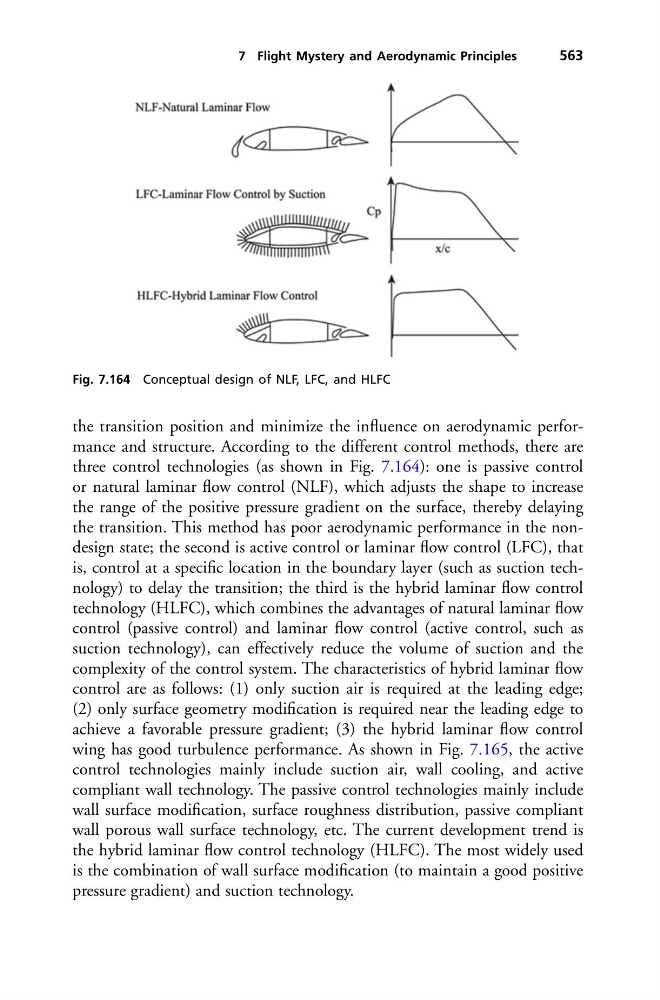
Fig. 7.164 Conceptual design of NLF, LFC, and HLFC
the transition position and minimize the influence on aerodynamic performance and structure. According to the different control methods, there are
three control technologies (as shown in Fig. 7.164): one is passive control
or natural laminar flow control (NLF), which adjusts the shape to increase
the range of the positive pressure gradient on the surface, thereby delaying
the transition. This method has poor aerodynamic performance in the nondesign state; the second is active control or laminar flow control (LFC), that
is, control at a specific location in the boundary layer (such as suction technology) to delay the transition; the third is the hybrid laminar flow control
technology (HLFC), which combines the advantages of natural laminar flow
control (passive control) and laminar flow control (active control, such as
suction technology), can effectively reduce the volume of suction and the
complexity of the control system. The characteristics of hybrid laminar flow
control are as follows: (1) only suction air is required at the leading edge;
(2) only surface geometry modification is required near the leading edge to
achieve a favorable pressure gradient; (3) the hybrid laminar flow control
wing has good turbulence performance. As shown in Fig. 7.165, the active
control technologies mainly include suction air, wall cooling, and active
compliant wall technology. The passive control technologies mainly include
wall surface modification, surface roughness distribution, passive compliant
wall porous wall surface technology, etc. The current development trend is
the hybrid laminar flow control technology (HLFC). The most widely used
is the combination of wall surface modification (to maintain a good positive
pressure gradient) and suction technology.
563
Fig. 7.164 Conceptual design of NLF, LFC, and HLFC
the transition position and minimize the influence on aerodynamic performance and structure. According to the different control methods, there are
three control technologies (as shown in Fig. 7.164): one is passive control
or natural laminar flow control (NLF), which adjusts the shape to increase
the range of the positive pressure gradient on the surface, thereby delaying
the transition. This method has poor aerodynamic performance in the nondesign state; the second is active control or laminar flow control (LFC), that
is, control at a specific location in the boundary layer (such as suction technology) to delay the transition; the third is the hybrid laminar flow control
technology (HLFC), which combines the advantages of natural laminar flow
control (passive control) and laminar flow control (active control, such as
suction technology), can effectively reduce the volume of suction and the
complexity of the control system. The characteristics of hybrid laminar flow
control are as follows: (1) only suction air is required at the leading edge;
(2) only surface geometry modification is required near the leading edge to
achieve a favorable pressure gradient; (3) the hybrid laminar flow control
wing has good turbulence performance. As shown in Fig. 7.165, the active
control technologies mainly include suction air, wall cooling, and active
compliant wall technology. The passive control technologies mainly include
wall surface modification, surface roughness distribution, passive compliant
wall porous wall surface technology, etc. The current development trend is
the hybrid laminar flow control technology (HLFC). The most widely used
is the combination of wall surface modification (to maintain a good positive
pressure gradient) and suction technology.