

7 Flight Mystery and Aerodynamic Principles
559
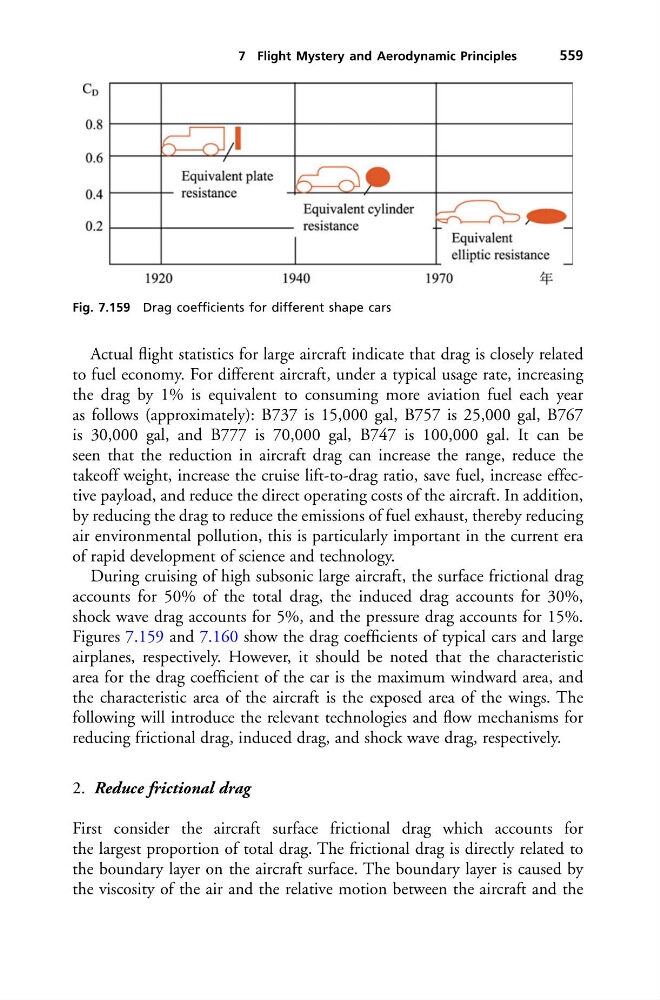
Fig. 7.159 Drag coefficients for different shape cars
Actual flight statistics for large aircraft indicate that drag is closely related
to fuel economy. For different aircraft, under a typical usage rate, increasing
the drag by 1% is equivalent to consuming more aviation fuel each year
as follows (approximately): B737 is 15,000 gal, B757 is 25,000 gal, B767
is 30,000 gal, and B777 is 70,000 gal, B747 is 100,000 gal. It can be
seen that the reduction in aircraft drag can increase the range, reduce the
takeoff weight, increase the cruise lift-to-drag ratio, save fuel, increase effective payload, and reduce the direct operating costs of the aircraft. In addition,
by reducing the drag to reduce the emissions of fuel exhaust, thereby reducing
air environmental pollution, this is particularly important in the current era
of rapid development of science and technology.
During cruising of high subsonic large aircraft, the surface frictional drag
accounts for 50% of the total drag, the induced drag accounts for 30%,
shock wave drag accounts for 5%, and the pressure drag accounts for 15%.
Figures 7.159 and 7.160 show the drag coefficients of typical cars and large
airplanes, respectively. However, it should be noted that the characteristic
area for the drag coefficient of the car is the maximum windward area, and
the characteristic area of the aircraft is the exposed area of the wings. The
following will introduce the relevant technologies and flow mechanisms for
reducing frictional drag, induced drag, and shock wave drag, respectively.
2. Reduce frictional drag
First consider the aircraft surface frictional drag which accounts for
the largest proportion of total drag. The frictional drag is directly related to
the boundary layer on the aircraft surface. The boundary layer is caused by
the viscosity of the air and the relative motion between the aircraft and the
559
Fig. 7.159 Drag coefficients for different shape cars
Actual flight statistics for large aircraft indicate that drag is closely related
to fuel economy. For different aircraft, under a typical usage rate, increasing
the drag by 1% is equivalent to consuming more aviation fuel each year
as follows (approximately): B737 is 15,000 gal, B757 is 25,000 gal, B767
is 30,000 gal, and B777 is 70,000 gal, B747 is 100,000 gal. It can be
seen that the reduction in aircraft drag can increase the range, reduce the
takeoff weight, increase the cruise lift-to-drag ratio, save fuel, increase effective payload, and reduce the direct operating costs of the aircraft. In addition,
by reducing the drag to reduce the emissions of fuel exhaust, thereby reducing
air environmental pollution, this is particularly important in the current era
of rapid development of science and technology.
During cruising of high subsonic large aircraft, the surface frictional drag
accounts for 50% of the total drag, the induced drag accounts for 30%,
shock wave drag accounts for 5%, and the pressure drag accounts for 15%.
Figures 7.159 and 7.160 show the drag coefficients of typical cars and large
airplanes, respectively. However, it should be noted that the characteristic
area for the drag coefficient of the car is the maximum windward area, and
the characteristic area of the aircraft is the exposed area of the wings. The
following will introduce the relevant technologies and flow mechanisms for
reducing frictional drag, induced drag, and shock wave drag, respectively.
2. Reduce frictional drag
First consider the aircraft surface frictional drag which accounts for
the largest proportion of total drag. The frictional drag is directly related to
the boundary layer on the aircraft surface. The boundary layer is caused by
the viscosity of the air and the relative motion between the aircraft and the