

560
P. Liu
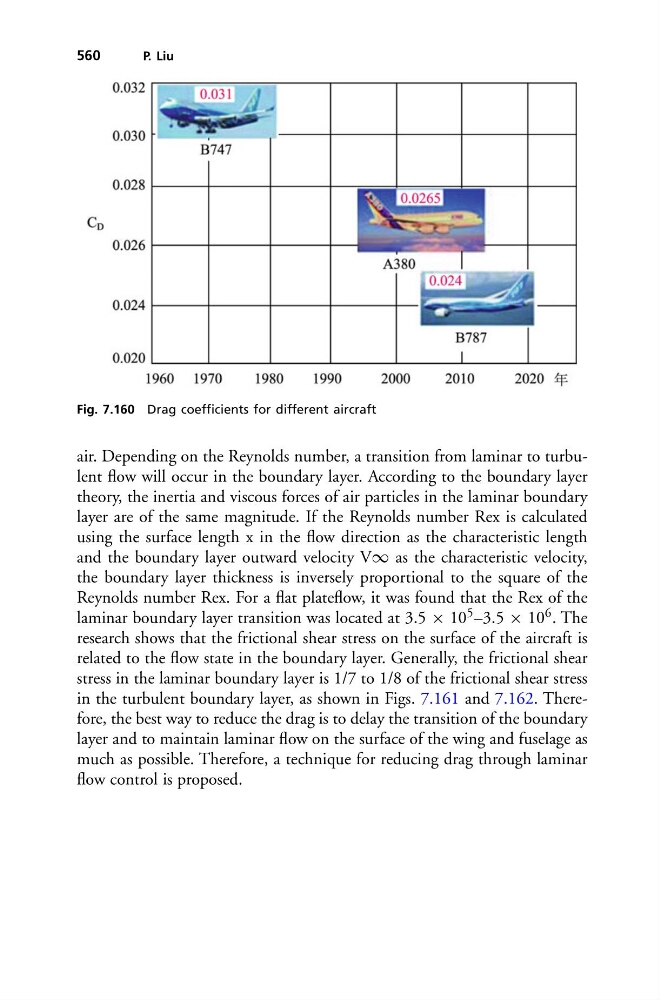
Fig. 7.160 Drag coefficients for different aircraft
air. Depending on the Reynolds number, a transition from laminar to turbulent flow will occur in the boundary layer. According to the boundary layer
theory, the inertia and viscous forces of air particles in the laminar boundary
layer are of the same magnitude. If the Reynolds number Rex is calculated
using the surface length x in the flow direction as the characteristic length
and the boundary layer outward velocity V∞ as the characteristic velocity,
the boundary layer thickness is inversely proportional to the square of the
Reynolds number Rex. For a flat plateflow, it was found that the Rex of the
laminar boundary layer transition was located at 3.5 × 10 5 –3.5 × 10 6 . The
research shows that the frictional shear stress on the surface of the aircraft is
related to the flow state in the boundary layer. Generally, the frictional shear
stress in the laminar boundary layer is 1/7 to 1/8 of the frictional shear stress
in the turbulent boundary layer, as shown in Figs. 7.161 and 7.162. Therefore, the best way to reduce the drag is to delay the transition of the boundary
layer and to maintain laminar flow on the surface of the wing and fuselage as
much as possible. Therefore, a technique for reducing drag through laminar
flow control is proposed.
P. Liu
Fig. 7.160 Drag coefficients for different aircraft
air. Depending on the Reynolds number, a transition from laminar to turbulent flow will occur in the boundary layer. According to the boundary layer
theory, the inertia and viscous forces of air particles in the laminar boundary
layer are of the same magnitude. If the Reynolds number Rex is calculated
using the surface length x in the flow direction as the characteristic length
and the boundary layer outward velocity V∞ as the characteristic velocity,
the boundary layer thickness is inversely proportional to the square of the
Reynolds number Rex. For a flat plateflow, it was found that the Rex of the
laminar boundary layer transition was located at 3.5 × 10 5 –3.5 × 10 6 . The
research shows that the frictional shear stress on the surface of the aircraft is
related to the flow state in the boundary layer. Generally, the frictional shear
stress in the laminar boundary layer is 1/7 to 1/8 of the frictional shear stress
in the turbulent boundary layer, as shown in Figs. 7.161 and 7.162. Therefore, the best way to reduce the drag is to delay the transition of the boundary
layer and to maintain laminar flow on the surface of the wing and fuselage as
much as possible. Therefore, a technique for reducing drag through laminar
flow control is proposed.