

6 Wind and Water Tunnel Equipment
383
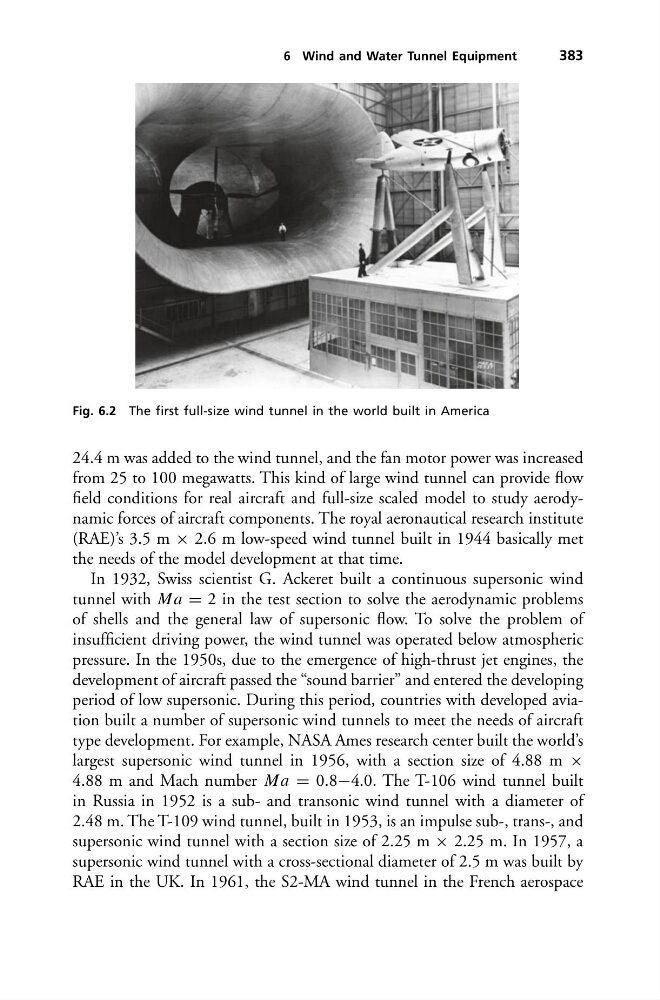
Fig. 6.2 The first full-size wind tunnel in the world built in America
24.4 m was added to the wind tunnel, and the fan motor power was increased
from 25 to 100 megawatts. This kind of large wind tunnel can provide flow
field conditions for real aircraft and full-size scaled model to study aerodynamic forces of aircraft components. The royal aeronautical research institute
(RAE)’s 3.5 m × 2.6 m low-speed wind tunnel built in 1944 basically met
the needs of the model development at that time.
In 1932, Swiss scientist G. Ackeret built a continuous supersonic wind
tunnel with Ma = 2 in the test section to solve the aerodynamic problems
of shells and the general law of supersonic flow. To solve the problem of
insufficient driving power, the wind tunnel was operated below atmospheric
pressure. In the 1950s, due to the emergence of high-thrust jet engines, the
development of aircraft passed the “sound barrier” and entered the developing
period of low supersonic. During this period, countries with developed aviation built a number of supersonic wind tunnels to meet the needs of aircraft
type development. For example, NASA Ames research center built the world’s
largest supersonic wind tunnel in 1956, with a section size of 4.88 m ×
4.88 m and Mach number Ma = 0.8−4.0. The T-106 wind tunnel built
in Russia in 1952 is a sub- and transonic wind tunnel with a diameter of
2.48 m. The T-109 wind tunnel, built in 1953, is an impulse sub-, trans-, and
supersonic wind tunnel with a section size of 2.25 m × 2.25 m. In 1957, a
supersonic wind tunnel with a cross-sectional diameter of 2.5 m was built by
RAE in the UK. In 1961, the S2-MA wind tunnel in the French aerospace
383
Fig. 6.2 The first full-size wind tunnel in the world built in America
24.4 m was added to the wind tunnel, and the fan motor power was increased
from 25 to 100 megawatts. This kind of large wind tunnel can provide flow
field conditions for real aircraft and full-size scaled model to study aerodynamic forces of aircraft components. The royal aeronautical research institute
(RAE)’s 3.5 m × 2.6 m low-speed wind tunnel built in 1944 basically met
the needs of the model development at that time.
In 1932, Swiss scientist G. Ackeret built a continuous supersonic wind
tunnel with Ma = 2 in the test section to solve the aerodynamic problems
of shells and the general law of supersonic flow. To solve the problem of
insufficient driving power, the wind tunnel was operated below atmospheric
pressure. In the 1950s, due to the emergence of high-thrust jet engines, the
development of aircraft passed the “sound barrier” and entered the developing
period of low supersonic. During this period, countries with developed aviation built a number of supersonic wind tunnels to meet the needs of aircraft
type development. For example, NASA Ames research center built the world’s
largest supersonic wind tunnel in 1956, with a section size of 4.88 m ×
4.88 m and Mach number Ma = 0.8−4.0. The T-106 wind tunnel built
in Russia in 1952 is a sub- and transonic wind tunnel with a diameter of
2.48 m. The T-109 wind tunnel, built in 1953, is an impulse sub-, trans-, and
supersonic wind tunnel with a section size of 2.25 m × 2.25 m. In 1957, a
supersonic wind tunnel with a cross-sectional diameter of 2.5 m was built by
RAE in the UK. In 1961, the S2-MA wind tunnel in the French aerospace