

382
P. Liu
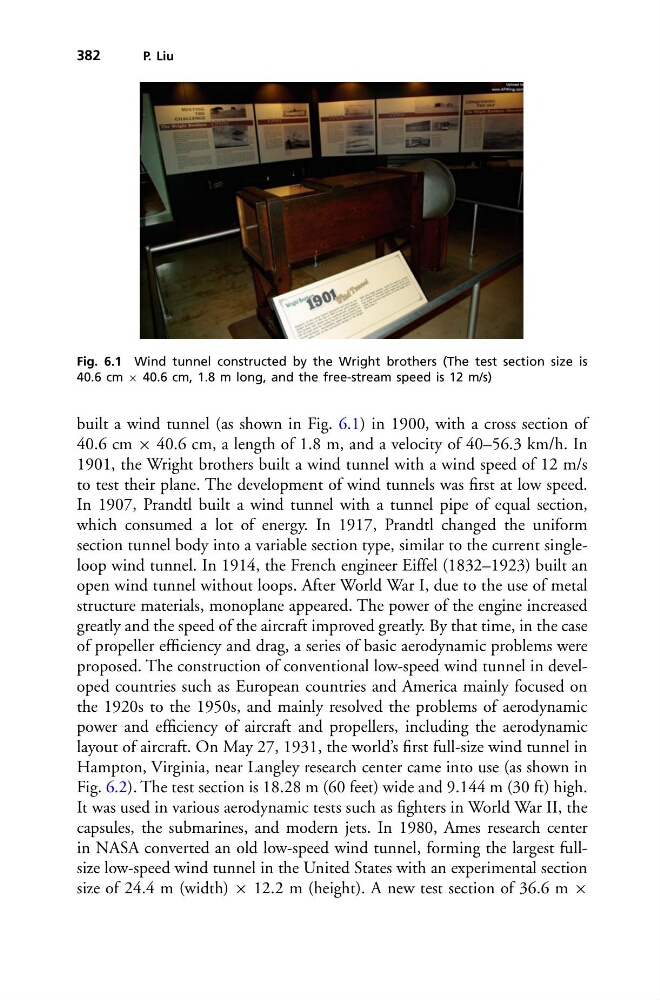
Fig. 6.1 Wind tunnel constructed by the Wright brothers (The test section size is
40.6 cm × 40.6 cm, 1.8 m long, and the free-stream speed is 12 m/s)
built a wind tunnel (as shown in Fig. 6.1) in 1900, with a cross section of
40.6 cm × 40.6 cm, a length of 1.8 m, and a velocity of 40–56.3 km/h. In
1901, the Wright brothers built a wind tunnel with a wind speed of 12 m/s
to test their plane. The development of wind tunnels was first at low speed.
In 1907, Prandtl built a wind tunnel with a tunnel pipe of equal section,
which consumed a lot of energy. In 1917, Prandtl changed the uniform
section tunnel body into a variable section type, similar to the current singleloop wind tunnel. In 1914, the French engineer Eiffel (1832–1923) built an
open wind tunnel without loops. After World War I, due to the use of metal
structure materials, monoplane appeared. The power of the engine increased
greatly and the speed of the aircraft improved greatly. By that time, in the case
of propeller efficiency and drag, a series of basic aerodynamic problems were
proposed. The construction of conventional low-speed wind tunnel in developed countries such as European countries and America mainly focused on
the 1920s to the 1950s, and mainly resolved the problems of aerodynamic
power and efficiency of aircraft and propellers, including the aerodynamic
layout of aircraft. On May 27, 1931, the world’s first full-size wind tunnel in
Hampton, Virginia, near Langley research center came into use (as shown in
Fig. 6.2). The test section is 18.28 m (60 feet) wide and 9.144 m (30 ft) high.
It was used in various aerodynamic tests such as fighters in World War II, the
capsules, the submarines, and modern jets. In 1980, Ames research center
in NASA converted an old low-speed wind tunnel, forming the largest fullsize low-speed wind tunnel in the United States with an experimental section
size of 24.4 m (width) × 12.2 m (height). A new test section of 36.6 m ×
P. Liu
Fig. 6.1 Wind tunnel constructed by the Wright brothers (The test section size is
40.6 cm × 40.6 cm, 1.8 m long, and the free-stream speed is 12 m/s)
built a wind tunnel (as shown in Fig. 6.1) in 1900, with a cross section of
40.6 cm × 40.6 cm, a length of 1.8 m, and a velocity of 40–56.3 km/h. In
1901, the Wright brothers built a wind tunnel with a wind speed of 12 m/s
to test their plane. The development of wind tunnels was first at low speed.
In 1907, Prandtl built a wind tunnel with a tunnel pipe of equal section,
which consumed a lot of energy. In 1917, Prandtl changed the uniform
section tunnel body into a variable section type, similar to the current singleloop wind tunnel. In 1914, the French engineer Eiffel (1832–1923) built an
open wind tunnel without loops. After World War I, due to the use of metal
structure materials, monoplane appeared. The power of the engine increased
greatly and the speed of the aircraft improved greatly. By that time, in the case
of propeller efficiency and drag, a series of basic aerodynamic problems were
proposed. The construction of conventional low-speed wind tunnel in developed countries such as European countries and America mainly focused on
the 1920s to the 1950s, and mainly resolved the problems of aerodynamic
power and efficiency of aircraft and propellers, including the aerodynamic
layout of aircraft. On May 27, 1931, the world’s first full-size wind tunnel in
Hampton, Virginia, near Langley research center came into use (as shown in
Fig. 6.2). The test section is 18.28 m (60 feet) wide and 9.144 m (30 ft) high.
It was used in various aerodynamic tests such as fighters in World War II, the
capsules, the submarines, and modern jets. In 1980, Ames research center
in NASA converted an old low-speed wind tunnel, forming the largest fullsize low-speed wind tunnel in the United States with an experimental section
size of 24.4 m (width) × 12.2 m (height). A new test section of 36.6 m ×