

48
G. Romanescu et al.
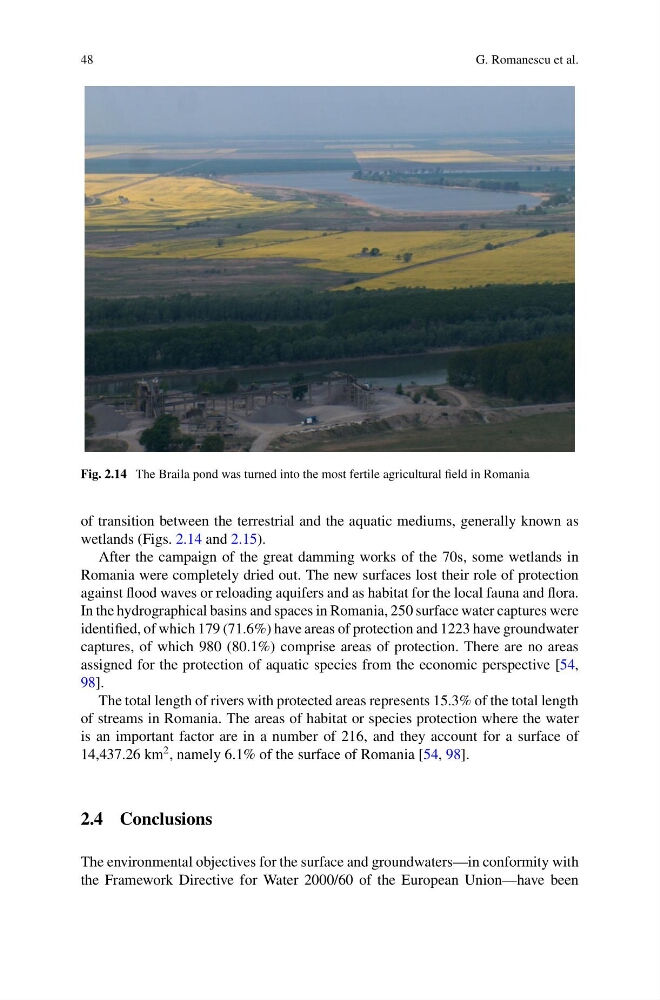
Fig. 2.14 The Braila pond was turned into the most fertile agricultural field in Romania
of transition between the terrestrial and the aquatic mediums, generally known as
wetlands (Figs. 2.14 and 2.15).
After the campaign of the great damming works of the 70s, some wetlands in
Romania were completely dried out. The new surfaces lost their role of protection
against flood waves or reloading aquifers and as habitat for the local fauna and flora.
In the hydrographical basins and spaces in Romania, 250 surface water captures were
identified, of which 179 (71.6%) have areas of protection and 1223 have groundwater
captures, of which 980 (80.1%) comprise areas of protection. There are no areas
assigned for the protection of aquatic species from the economic perspective [54,
98].
The total length of rivers with protected areas represents 15.3% of the total length
of streams in Romania. The areas of habitat or species protection where the water
is an important factor are in a number of 216, and they account for a surface of
14,437.26 km
2 , namely 6.1% of the surface of Romania [54, 98].
2.4 Conclusions
The environmental objectives for the surface and groundwaters—in conformity with
the Framework Directive for Water 2000/60 of the European Union—have been
G. Romanescu et al.
Fig. 2.14 The Braila pond was turned into the most fertile agricultural field in Romania
of transition between the terrestrial and the aquatic mediums, generally known as
wetlands (Figs. 2.14 and 2.15).
After the campaign of the great damming works of the 70s, some wetlands in
Romania were completely dried out. The new surfaces lost their role of protection
against flood waves or reloading aquifers and as habitat for the local fauna and flora.
In the hydrographical basins and spaces in Romania, 250 surface water captures were
identified, of which 179 (71.6%) have areas of protection and 1223 have groundwater
captures, of which 980 (80.1%) comprise areas of protection. There are no areas
assigned for the protection of aquatic species from the economic perspective [54,
98].
The total length of rivers with protected areas represents 15.3% of the total length
of streams in Romania. The areas of habitat or species protection where the water
is an important factor are in a number of 216, and they account for a surface of
14,437.26 km
2 , namely 6.1% of the surface of Romania [54, 98].
2.4 Conclusions
The environmental objectives for the surface and groundwaters—in conformity with
the Framework Directive for Water 2000/60 of the European Union—have been