

262
included the external and internal security, creation of solutions for land and water
conflicts inside the community as well as irrigation cycles outside the community,
organization of collective working tasks (Rademacher-Schulz 2014). Normally, the
dominant ethnic groups had the monopoly over water and land rights and tried to
maintain this power (Rademacher-Schulz 2014).
A historically important shift for the Amazigh groups was the change from seminomadism to permanent settlement with the beginning of the French protectorate
(Belahsen et al. 2017). Land ownership can be divided into communal land owned
by the tribe, private agricultural land owned by religious brotherhoods or mosques,
and land owned by private individuals (Rademacher-Schulz 2014). To this day, land
ownership rights are passed on within the family, with men generally being the
landowners (Hoffman 2008). The status of women with regard to inheritance is
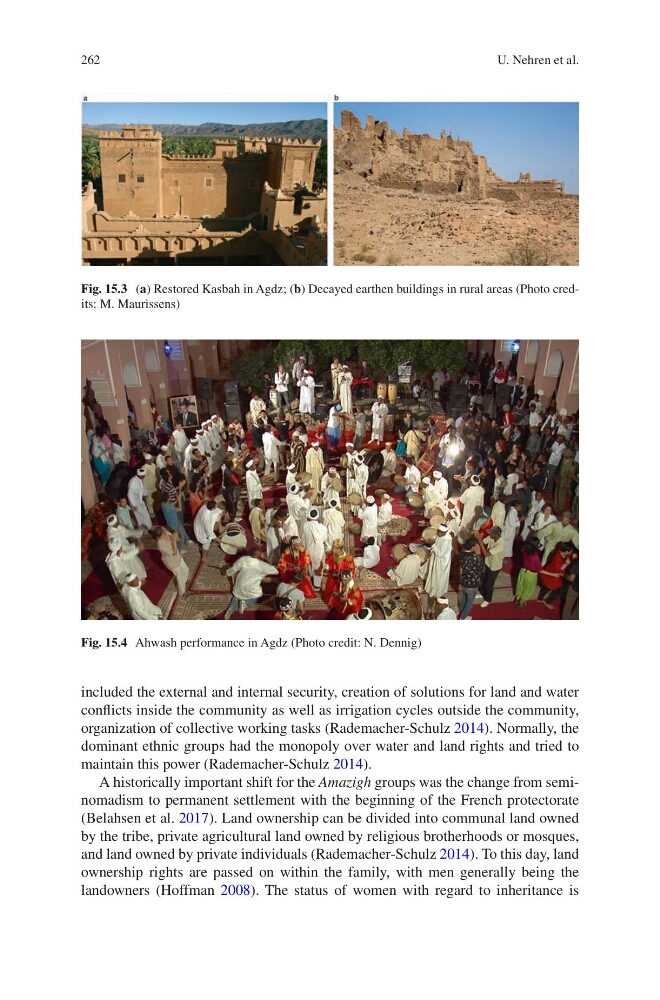
Fig. 15.4 Ahwash performance in Agdz (Photo credit: N. Dennig)
Fig. 15.3 (a) Restored Kasbah in Agdz; (b) Decayed earthen buildings in rural areas (Photo credits: M. Maurissens)
U. Nehren et al.
included the external and internal security, creation of solutions for land and water
conflicts inside the community as well as irrigation cycles outside the community,
organization of collective working tasks (Rademacher-Schulz 2014). Normally, the
dominant ethnic groups had the monopoly over water and land rights and tried to
maintain this power (Rademacher-Schulz 2014).
A historically important shift for the Amazigh groups was the change from seminomadism to permanent settlement with the beginning of the French protectorate
(Belahsen et al. 2017). Land ownership can be divided into communal land owned
by the tribe, private agricultural land owned by religious brotherhoods or mosques,
and land owned by private individuals (Rademacher-Schulz 2014). To this day, land
ownership rights are passed on within the family, with men generally being the
landowners (Hoffman 2008). The status of women with regard to inheritance is
Fig. 15.4 Ahwash performance in Agdz (Photo credit: N. Dennig)
Fig. 15.3 (a) Restored Kasbah in Agdz; (b) Decayed earthen buildings in rural areas (Photo credits: M. Maurissens)
U. Nehren et al.