

261
Imazighen is tribal (Gellner 1970) and can be described as patriarchal society
(Belahsen et al. 2017) with most of the tribes having male leaders—although there
were also a number of female leaders in the Middle Ages. Traditionally, women and
men share complementary roles in agriculture and food preparation: men are mostly
responsible for the livestock, while women take care of the family, work in agriculture, and produce handicrafts. However, societal transformation has changed this
distribution of roles and nowadays men are generally responsible for the income
and women take care of the family and the home and are still engaged in handicraft
or artistic production, such as pottery and artful weaving of textiles, in particular
kilims (tapestry) (Sadiqi 2007).
The domestic unit consists of a nuclear family. In marriages, the man selects the
woman or the family takes the decision. Traditionally men have important status in
community and family organization, which authorizes them to sit in the djemââ—
the tribal council that debates on community issues (Belahsen et al. 2017). Until the
colonization this was the political body to organize the entire village life, which
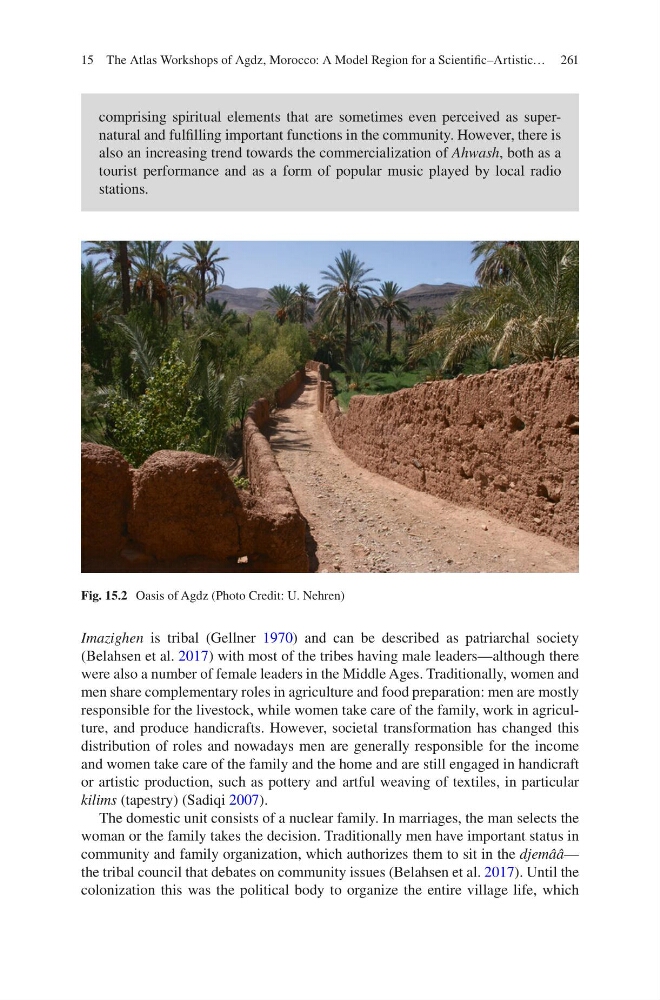
Fig. 15.2 Oasis of Agdz (Photo Credit: U. Nehren)
comprising spiritual elements that are sometimes even perceived as supernatural and fulfilling important functions in the community. However, there is
also an increasing trend towards the commercialization of Ahwash, both as a
tourist performance and as a form of popular music played by local radio
stations.
15 The Atlas Workshops of Agdz, Morocco: A Model Region for a Scientific–Artistic…
Imazighen is tribal (Gellner 1970) and can be described as patriarchal society
(Belahsen et al. 2017) with most of the tribes having male leaders—although there
were also a number of female leaders in the Middle Ages. Traditionally, women and
men share complementary roles in agriculture and food preparation: men are mostly
responsible for the livestock, while women take care of the family, work in agriculture, and produce handicrafts. However, societal transformation has changed this
distribution of roles and nowadays men are generally responsible for the income
and women take care of the family and the home and are still engaged in handicraft
or artistic production, such as pottery and artful weaving of textiles, in particular
kilims (tapestry) (Sadiqi 2007).
The domestic unit consists of a nuclear family. In marriages, the man selects the
woman or the family takes the decision. Traditionally men have important status in
community and family organization, which authorizes them to sit in the djemââ—
the tribal council that debates on community issues (Belahsen et al. 2017). Until the
colonization this was the political body to organize the entire village life, which
Fig. 15.2 Oasis of Agdz (Photo Credit: U. Nehren)
comprising spiritual elements that are sometimes even perceived as supernatural and fulfilling important functions in the community. However, there is
also an increasing trend towards the commercialization of Ahwash, both as a
tourist performance and as a form of popular music played by local radio
stations.
15 The Atlas Workshops of Agdz, Morocco: A Model Region for a Scientific–Artistic…