

hydrogen-bonding interactions in the form of [C–H•••O]. The occurrence of
relatively strong hydrogen-bonding interactions for glycol chain relies on the
gauche effect. That is, the two vicinal oxygen atoms in an ethylene glycol unit
orientate in a manner that the O–C–C–O torsion angle is round 60
, instead of
180
that occurs in the case of C–C–C–C in a n-butane molecule. The gauche
effect results from an orbital mixing between a C–H bond in a methylene and
the empty anti-bonding orbital of the adjacent C–O bond. The gauche conformation of the glycol chain allows the glycol chain to wrap around a BIPY
2+
unit, as a consequence of which, the multiple oxygen atoms in the former could
form hydrogen bonds with one or a few acidic protons in a BIPY
2+ unit
simultaneously. This proposition is supported by the observation that when
mono or di(ethylene glycol) chains are grated onto the guests bearing HQ or
DNP moiety, K a values of these guests to bind with CBPQT
4+ could raise up
by one or two orders of magnitude [26, 30] (Fig. 7).
(iii) When some aromatic guests bearing HQ and DNP insert into the cavity of the
host, the aromatic protons in the guests point toward one of the phenyl moieties
in the p-xylyl linker of the host (Fig. 9). This orientation allows the occurrence
of C–H•••π interaction, which, in some cases, act as the secondary driving force
to strengthen the host-guest recognition. The occurrence of C–H•••π interaction
could be convinced by the remarkable upfield shifts of the guest resonances in
the corresponding
1 H NMR spectra, given that the aromatic surfaces provide a
shielded magnetic environment. Short contacts (e.g., 2.5 Å) between the protons in the guest and the phenyl moieties in the host also reveal its occurrence in
solid state, as inferred from the single-crystal X-ray diffraction analysis.
(iv) When the CBPQT
4+ accommodates guest in water, in the case that the counterions were Cl
À
, Br
À
, or NO 3
À , hydrophobic effect might occur and enhance
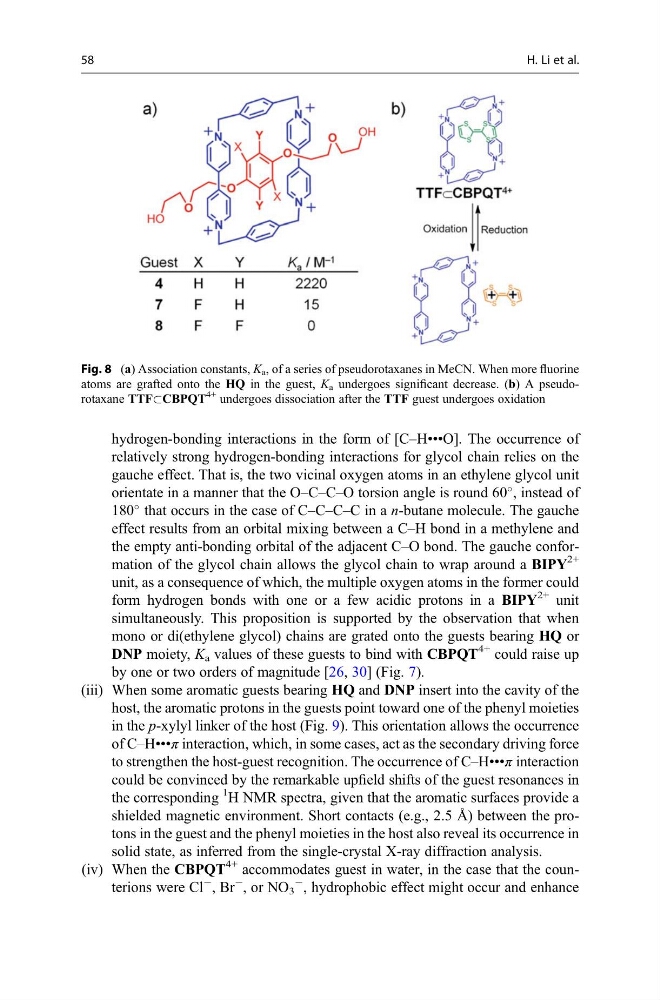
Fig. 8 (a) Association constants, K a , of a series of pseudorotaxanes in MeCN. When more fluorine
atoms are grafted onto the HQ in the guest, K a undergoes significant decrease. (b) A pseudorotaxane TTF&CBPQT
4+ undergoes dissociation after the TTF guest undergoes oxidation
58
H. Li et al.
relatively strong hydrogen-bonding interactions for glycol chain relies on the
gauche effect. That is, the two vicinal oxygen atoms in an ethylene glycol unit
orientate in a manner that the O–C–C–O torsion angle is round 60
, instead of
180
that occurs in the case of C–C–C–C in a n-butane molecule. The gauche
effect results from an orbital mixing between a C–H bond in a methylene and
the empty anti-bonding orbital of the adjacent C–O bond. The gauche conformation of the glycol chain allows the glycol chain to wrap around a BIPY
2+
unit, as a consequence of which, the multiple oxygen atoms in the former could
form hydrogen bonds with one or a few acidic protons in a BIPY
2+ unit
simultaneously. This proposition is supported by the observation that when
mono or di(ethylene glycol) chains are grated onto the guests bearing HQ or
DNP moiety, K a values of these guests to bind with CBPQT
4+ could raise up
by one or two orders of magnitude [26, 30] (Fig. 7).
(iii) When some aromatic guests bearing HQ and DNP insert into the cavity of the
host, the aromatic protons in the guests point toward one of the phenyl moieties
in the p-xylyl linker of the host (Fig. 9). This orientation allows the occurrence
of C–H•••π interaction, which, in some cases, act as the secondary driving force
to strengthen the host-guest recognition. The occurrence of C–H•••π interaction
could be convinced by the remarkable upfield shifts of the guest resonances in
the corresponding
1 H NMR spectra, given that the aromatic surfaces provide a
shielded magnetic environment. Short contacts (e.g., 2.5 Å) between the protons in the guest and the phenyl moieties in the host also reveal its occurrence in
solid state, as inferred from the single-crystal X-ray diffraction analysis.
(iv) When the CBPQT
4+ accommodates guest in water, in the case that the counterions were Cl
À
, Br
À
, or NO 3
À , hydrophobic effect might occur and enhance
Fig. 8 (a) Association constants, K a , of a series of pseudorotaxanes in MeCN. When more fluorine
atoms are grafted onto the HQ in the guest, K a undergoes significant decrease. (b) A pseudorotaxane TTF&CBPQT
4+ undergoes dissociation after the TTF guest undergoes oxidation
58
H. Li et al.