

Western blotting assays. Finally, siRNA gene silencing mechanistic study was
carried out. siRNA-induced mRNA cleavage fragment was detected by
5
0 -RLM-RACE assay with PCR amplification. This was the first example of successful gene silencing based on siRNA by systemic administration in humans, which
demonstrated the powerful drug delivery tool of self-assembly systems based on
host-guest interaction. The use of nucleic acid as therapeutic drug is of great
importance for gene therapy, which is the key for personalized treatment for cancer,
diabetes, and other major diseases. Macrocyclic host molecule played a major role in
the delivery of nucleic acid, which showed that host-guest chemistry might be a key
player in gene therapy and other novel disease treatment methods.
Other types of macrocyclic host molecules have been used to construct stimuliresponsive organic/polymeric DDSs. Gao et al. used biomarker displacement activation as a general host-guest strategy for targeted phototheranostics [26]. Amphiphilic CA was used to construct nanoscale self-assembly system. Photosensitizer was
loaded into CA cavity with high-affinity host-guest interaction (Fig. 10). As a result
of photo-quenching effect of CA, photosensitizer was on the “OFF” state when
encapsulated by CA. Tumor tissues were reported to overexpress ATP, which could
reach a level of 100 μM, more than 10
4 -fold higher than that of normal tissues
(<10 nM). CA was high-affinity host for photosensitizer, which ascertains the
stability of complex during circulation. ATP also had high binding affinity with
CA. While low concentration ATP in normal tissues was unable to displace encapsulated photosensitizer, high concentration ATP in tumor tissues would displace
photosensitizer to its “ON” state. In this specific design, biomarker ATP was stimuli
source of “competing guest.” Ex vivo study showed that photosensitizer
was “switched on” when displaced by ATP. Animal study was carried out to prove
the efficacy of this design. Photosensitizer-loaded CA DDS was administrated
by intravenous injection to tumor-bearing mice. Tumor was locally ablated
by photo-irradiation to achieve photodynamic therapy. Fluorescence visualization
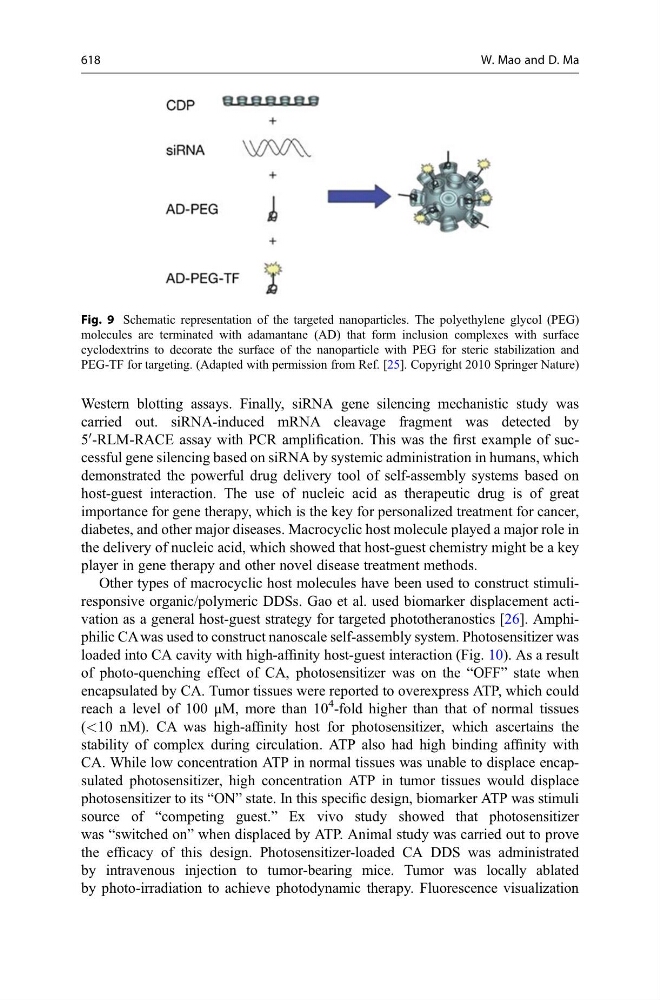
Fig. 9 Schematic representation of the targeted nanoparticles. The polyethylene glycol (PEG)
molecules are terminated with adamantane (AD) that form inclusion complexes with surface
cyclodextrins to decorate the surface of the nanoparticle with PEG for steric stabilization and
PEG-TF for targeting. (Adapted with permission from Ref. [25]. Copyright 2010 Springer Nature)
618
W. Mao and D. Ma