

enough, it curved into multilayered sphere with an alternating shell structure.
The SCD/QA-Cbl nanoparticles were synergistically stabilized by electrostatic, ππ, and hydrophobic interactions. Finally, the BChE-responsive substantiate release
process of Cbl from the SCD/QA-Cbl nanoparticles was characterized by highperformance liquid chromatography (HPLC) and mass spectrometry. In the presence
of BChE (0.2 U/mL), Cbl was released, while no drug release was observed in the
absence of BChE. This supramolecular assembly formed by prodrug and macrocyclic molecules provides an applicable strategy for cancer therapy with great efficiency and specificity.
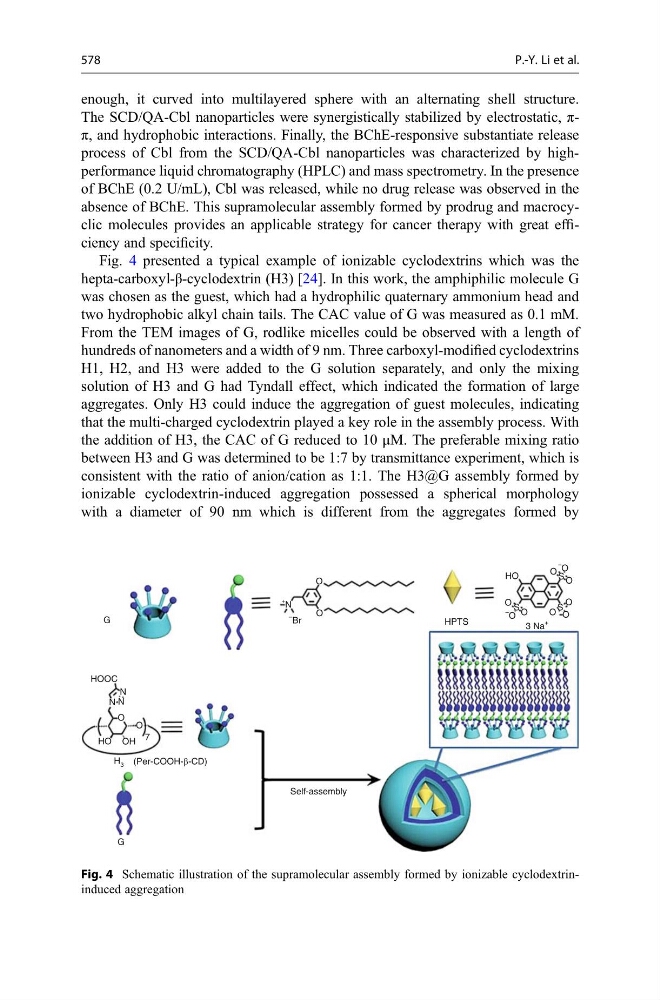
Fig. 4 presented a typical example of ionizable cyclodextrins which was the
hepta-carboxyl-β-cyclodextrin (H3) [24]. In this work, the amphiphilic molecule G
was chosen as the guest, which had a hydrophilic quaternary ammonium head and
two hydrophobic alkyl chain tails. The CAC value of G was measured as 0.1 mM.
From the TEM images of G, rodlike micelles could be observed with a length of
hundreds of nanometers and a width of 9 nm. Three carboxyl-modified cyclodextrins
H1, H2, and H3 were added to the G solution separately, and only the mixing
solution of H3 and G had Tyndall effect, which indicated the formation of large
aggregates. Only H3 could induce the aggregation of guest molecules, indicating
that the multi-charged cyclodextrin played a key role in the assembly process. With
the addition of H3, the CAC of G reduced to 10 μM. The preferable mixing ratio
between H3 and G was determined to be 1:7 by transmittance experiment, which is
consistent with the ratio of anion/cation as 1:1. The H3@G assembly formed by
ionizable cyclodextrin-induced aggregation possessed a spherical morphology
with a diameter of 90 nm which is different from the aggregates formed by
G
G
–
Br
HPTS
+
N
O
HO
O
O
3 Na
+
O
O
O
O S
–
O
S
O S
–
O
O
HOOC
(Per-COOH-β-CD)
Self-assembly
H 3
N
N
N
O
O
OH
HO
7
Fig. 4 Schematic illustration of the supramolecular assembly formed by ionizable cyclodextrininduced aggregation
578
P.-Y. Li et al.