

In 2017, we designed [41] a series of tetraoxacalix[2]arene[2]triazines 8 bearing
different anionic heads such as carboxylate, sulfonate, sulfate, and phosphate. These
molecules served as dual building units with the V-shaped electron-deficient cavity
as anion binding site, whereas the anionic head as the “guest.” With this rational
design, anion-π self-assembly was firstly investigated in solution. It is worth noting
that when anion-π interaction between anion and triazine rings occurs, the low-rim
hydrogen atom (e.g., H 1 , H 2 , toward the cavity) can be forced to participate the anion
binding via weak hydrogen bonding, which enables the monitoring of self-assembly
behavior with NMR technique.
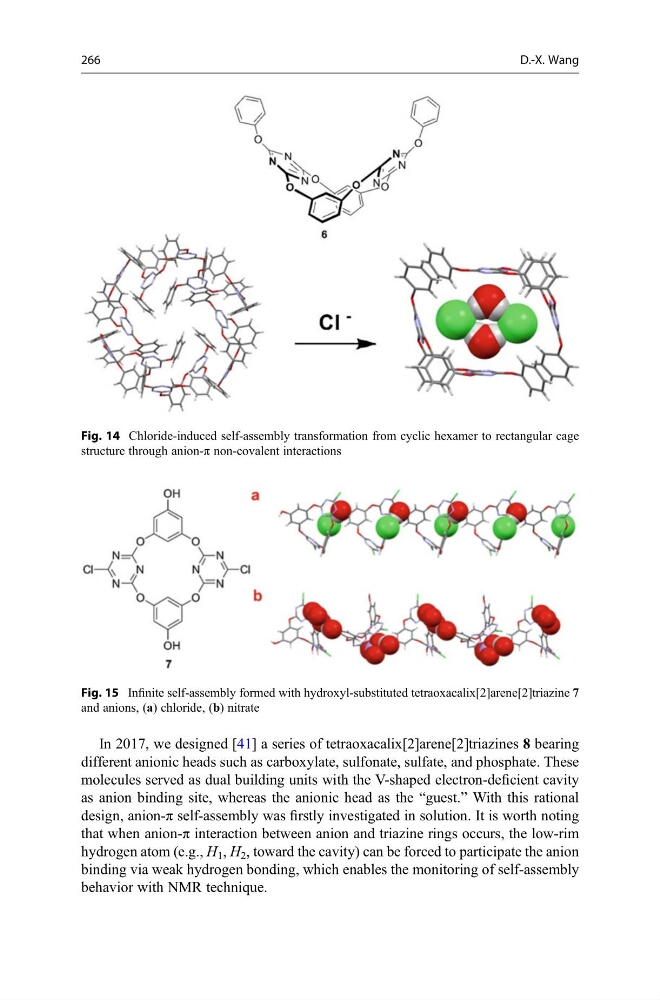
Fig. 14 Chloride-induced self-assembly transformation from cyclic hexamer to rectangular cage
structure through anion-π non-covalent interactions
Fig. 15 Infinite self-assembly formed with hydroxyl-substituted tetraoxacalix[2]arene[2]triazine 7
and anions, (a) chloride, (b) nitrate
266
D.-X. Wang
different anionic heads such as carboxylate, sulfonate, sulfate, and phosphate. These
molecules served as dual building units with the V-shaped electron-deficient cavity
as anion binding site, whereas the anionic head as the “guest.” With this rational
design, anion-π self-assembly was firstly investigated in solution. It is worth noting
that when anion-π interaction between anion and triazine rings occurs, the low-rim
hydrogen atom (e.g., H 1 , H 2 , toward the cavity) can be forced to participate the anion
binding via weak hydrogen bonding, which enables the monitoring of self-assembly
behavior with NMR technique.
Fig. 14 Chloride-induced self-assembly transformation from cyclic hexamer to rectangular cage
structure through anion-π non-covalent interactions
Fig. 15 Infinite self-assembly formed with hydroxyl-substituted tetraoxacalix[2]arene[2]triazine 7
and anions, (a) chloride, (b) nitrate
266
D.-X. Wang